Room additions, second stories, in-law suites & more — expanding Dallas homes from Highland Park to North Dallas without losing their character


Dallas homeowners love their neighborhoods. Whether it is the tree-lined streets of Highland Park, the lakeside charm of Lakewood, or the established communities of Lake Highlands and North Dallas, moving is often less appealing than adding the space your family needs to the home you already own. A well-planned home addition lets you stay in the school district, keep the neighbors you like, and build exactly the space your life requires—without starting over in a new zip code.
But home additions in Dallas carry complexities that standard renovations do not. Foundation engineering must account for North Texas expansive clay soils. New rooflines must integrate smoothly with existing architecture. HVAC systems need to be extended or replaced to handle additional square footage. And in neighborhoods like Highland Park, University Park, and Lakewood, historic district rules and architectural review boards add layers of design approval that must be navigated before a single footer is poured.
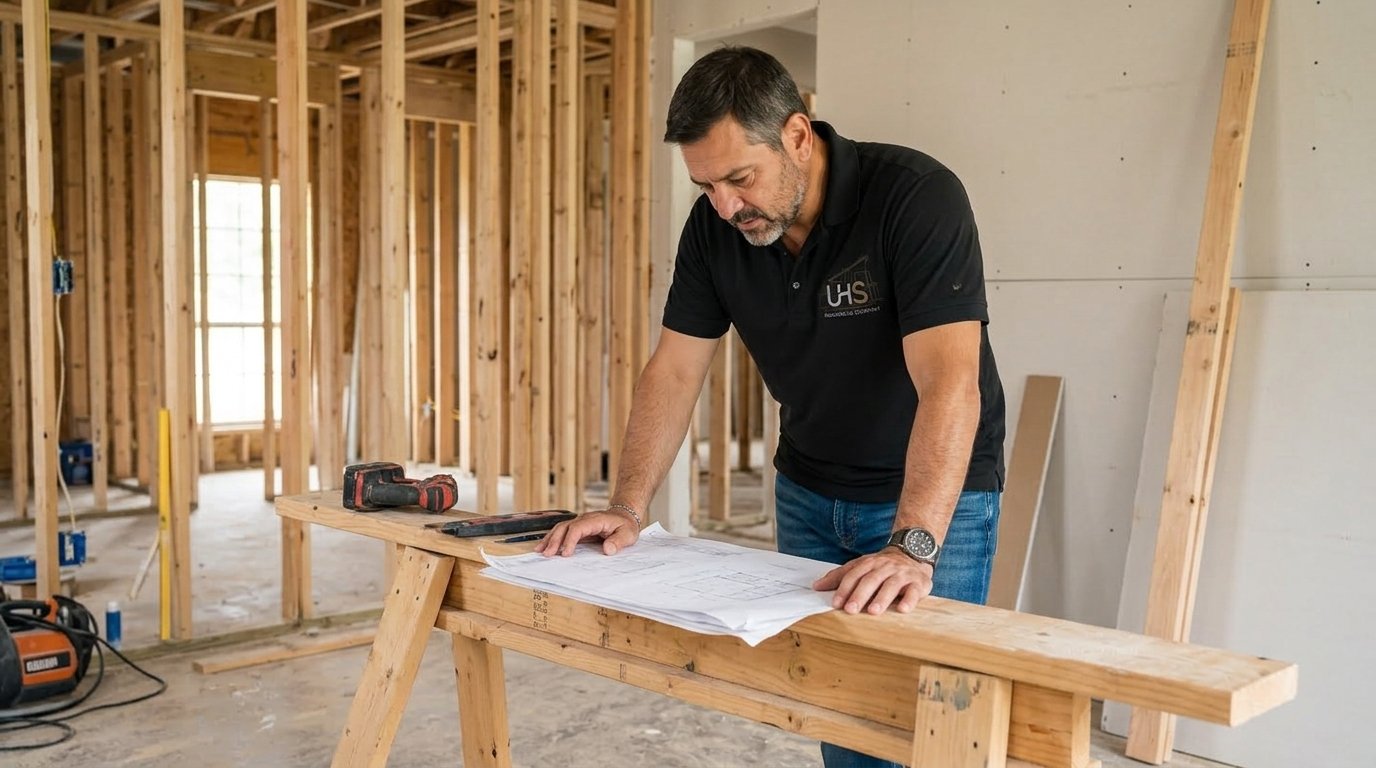
UHS Remodeling has been building home additions across the Dallas–Fort Worth metroplex since 2014. We understand the engineering, permitting, and design challenges specific to Dallas, and we manage every detail from initial feasibility assessment through final inspection. This guide covers the types of additions we build, realistic 2026 pricing, our construction process, and neighborhood-specific considerations for Highland Park, Preston Hollow, Lakewood, and beyond. Ready to explore your options? Call (469) 850-7087 or get a custom estimate.
Every addition project starts with a question: what does your family need that your current home cannot provide? Below are the six most common addition types we build for Dallas homeowners, along with the design and construction considerations specific to each.
A ground-level room addition extends the footprint of your home outward—adding a new bedroom, family room, home office, or expanded primary suite where yard space currently exists. In Dallas, this is the most straightforward type of addition, but it still requires careful attention to foundation engineering (North Texas clay soils demand properly designed pier-and-beam or post-tension slab foundations), roofline integration, and exterior material matching. The new addition should look like it was always part of the house, not a tacked-on afterthought. We design every room addition to match the existing home’s roof pitch, siding, brick, and window style so the transition from old to new is smooth. Most ground-level room additions in Dallas range from 300 to 800 square feet and take 12–16 weeks to complete.
When your lot does not have room to expand outward—common in Highland Park, University Park, M Streets, and other established Dallas neighborhoods with modest lot sizes—a second-story addition builds upward. This is the most structurally complex type of addition. The existing foundation and first-floor framing must be evaluated by a structural engineer to determine whether they can support the additional load, or whether reinforcement is required. Second-story additions in Dallas typically add 600 to 1,500 square feet and commonly include two to three bedrooms, a full bathroom, and a bonus room or home office. The exterior design must match the existing home’s architectural language—rooflines, window proportions, brick or siding—which requires design expertise and material sourcing that generic contractors often lack. These projects run 16–24 weeks and represent the highest per-square-foot investment, but they dramatically increase livable space without sacrificing yard.
Dallas’s climate makes sunrooms a popular addition. A well-designed sunroom provides a bright, comfortable living space with views of the yard and natural light year-round—usable even during Texas summers when properly insulated and equipped with climate control. We build fully conditioned sunrooms with insulated roofing, energy-efficient windows, and dedicated HVAC zones so the space performs like any other room in the house. This is distinct from a basic screen enclosure or three-season porch—our sunrooms are designed to be used twelve months a year. Dallas sunrooms typically range from 150 to 400 square feet and take 8–12 weeks to complete.
Multi-generational living is on the rise across Dallas, and in-law suites (also called accessory dwelling units or ADUs) are one of our fastest-growing addition categories. An in-law suite is a self-contained living space with a private bedroom, full bathroom, kitchenette, and separate entrance—either attached to the main house or built as a detached structure on the property. The City of Dallas has updated its zoning regulations in recent years to be more accommodating of ADUs, though lot size minimums, setback requirements, and parking provisions still apply and vary by zoning district. We handle all zoning research, permit applications, and design work to ensure your in-law suite meets City of Dallas requirements. These projects typically range from 400 to 900 square feet and take 14–20 weeks.
Converting an existing attached or detached garage into finished living space is one of the most cost-effective ways to add square footage to a Dallas home. The structure already exists—walls, roof, and slab are in place—so the work focuses on insulation, drywall, flooring, electrical, HVAC, and finishing. Garage conversions commonly become home offices, media rooms, guest bedrooms, fitness rooms, or studio apartments. In Dallas, garage conversions require building permits and must meet the City’s residential building code for habitable space, including egress windows, insulation standards, and ceiling height requirements. If you are converting your only garage, the City may require that you maintain off-street parking—we assess these requirements during the planning phase. Most garage conversions take 6–10 weeks and range from 350 to 600 square feet.
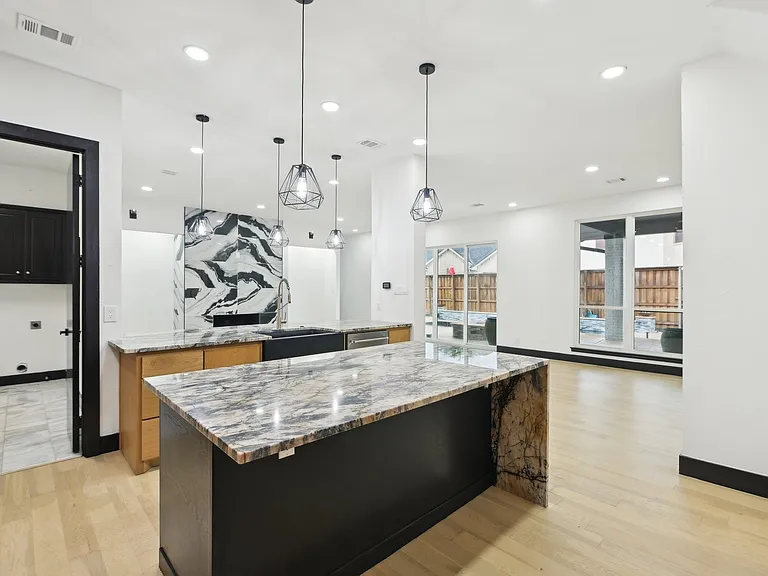
When a kitchen renovation alone is not enough—when the existing footprint is simply too small to accommodate the island, the pantry, or the open-concept layout your family needs—a kitchen extension bumps out the exterior wall to create additional space. Kitchen extensions in Dallas typically add 80 to 200 square feet, enough to accommodate a larger island with seating, a walk-in pantry, or an expanded dining zone that connects to the backyard. These projects combine the structural complexity of an addition with the detailed finish work of a high-end kitchen remodel. Foundation, roofline, plumbing, electrical, cabinetry, countertops, and appliances must all be coordinated within a single scope. Kitchen extensions run 12–18 weeks and typically cost $120,000–$250,000 in the Dallas market.
Home addition costs in Dallas run higher than suburban DFW markets due to lot constraints, older infrastructure, stricter permitting requirements, and the design sophistication expected in neighborhoods like Highland Park and Preston Hollow. Below are the typical cost ranges we see, based on projects completed in 2024–2026.
| Addition Type | Typical Size | Dallas Price Range |
|---|---|---|
| Room Addition (Ground-Level) | 300–800 sqft | $100,000 – $200,000 |
| Second-Story Addition | 600–1,500 sqft | $200,000 – $400,000+ |
| Sunroom / Enclosed Patio | 150–400 sqft | $50,000 – $100,000 |
| In-Law Suite / ADU | 400–900 sqft | $120,000 – $250,000 |
| Garage Conversion | 350–600 sqft | $40,000 – $80,000 |
Note: Dallas prices run 15–25% higher than suburban DFW communities like McKinney, Allen, and Frisco for comparable addition types. This reflects higher labor demand, lot constraints that complicate construction access, stricter City of Dallas permitting, and the elevated design and material expectations in established Dallas neighborhoods.
Understanding the major cost drivers helps you set realistic expectations and make informed decisions about scope and design:
For a personalized cost estimate based on your home and the addition you are considering, try our free remodeling cost calculator.
Building a home addition is more complex than a renovation—it involves foundation work, structural engineering, exterior construction, and integration with existing systems. Our six-phase process ensures every detail is planned, permitted, and built correctly.
We visit your Dallas home to evaluate lot coverage, setback requirements, foundation conditions, existing structural capacity, and utility locations. We discuss your space needs, review your property survey, and determine which addition type is feasible for your lot and zoning district. This consultation is free with no obligation.
Our design team creates detailed architectural plans including floor plans, elevations, and roofline integration drawings. A licensed structural engineer designs the foundation system and any required structural reinforcement. For homes in historic districts or HOA communities, we prepare design packages for review board submission.
We specify every material: exterior siding, brick, or stone to match your existing home; roofing; windows and doors; interior finishes including flooring, cabinetry, countertops, and fixtures. Every selection is documented so there are no surprises during construction.
We submit plans to the City of Dallas for building permits, coordinate structural engineering certifications, and manage any historic district or HOA design reviews. We handle the entire approval process so you do not have to visit city offices or attend review board meetings.
Construction begins with site preparation and foundation work. From there, framing, roofing, exterior finishes, rough-in (electrical, plumbing, HVAC), insulation, drywall, and interior finishing proceed on a week-by-week schedule. Your dedicated project manager oversees every trade and provides regular progress updates with photos.
We coordinate final City of Dallas inspections, walk every detail of the addition with you, address any punch-list items on the spot, and hand over all warranty documentation and maintenance guides. Your new space is ready to use immediately.

Home addition feasibility, design requirements, and costs vary significantly across Dallas neighborhoods. Lot sizes, zoning regulations, architectural standards, and homeowner expectations all influence what can be built and how much it will cost.
The Park Cities are among the most regulated residential communities in Texas for construction and exterior modifications. The Town of Highland Park has strict building setback requirements, lot coverage maximums, and an architectural review process that evaluates the design compatibility of any visible exterior change. Second-story additions must respect height limits and may require variances from the Board of Adjustment. University Park has similar but distinct regulations. Despite these constraints, additions are common in the Park Cities—many families prefer to expand their current home rather than compete in the area’s ultra-competitive buying market where entry-level homes start above $1.5 million. Additions here demand architect-level design quality, premium materials that match the home’s existing character, and contractors experienced with the approval process. Budget range: $200,000–$500,000+.
Preston Hollow’s larger lots (many half-acre and above) provide more flexibility for ground-level additions than the Park Cities. Ranch-style homes from the 1950s–1970s are frequently expanded with new primary suites, family rooms, or kitchen extensions that modernize the home without disturbing its neighborhood context. Second-story additions are also viable on many Preston Hollow lots, though design compatibility with the existing ranch-style architecture requires careful handling. The neighborhood does not have the formal architectural review boards of Highland Park, but the City of Dallas setback, lot coverage, and impervious cover requirements still apply. Budget range: $150,000–$350,000.
Lakewood’s mix of 1920s–1950s Tudor, Craftsman, and ranch homes on relatively compact lots presents both opportunity and constraint. Many Lakewood families want more space but cannot expand outward due to lot limitations. Second-story additions and modest ground-level bump-outs are the most common solutions. Lakewood’s conservation district overlay requires that exterior modifications respect the neighborhood’s historic architectural character—additions must be compatible in scale, massing, and materials with the existing home and surrounding streetscape. We have deep experience navigating Lakewood’s design requirements while delivering additions that feel like natural extensions of the original home. Budget range: $120,000–$250,000.
Lake Highlands offers more affordable entry into Dallas home additions. The neighborhood’s 1960s–1980s housing stock is structurally sound and sits on lots that often accommodate ground-level room additions, sunrooms, or garage conversions. Foundation conditions in Lake Highlands are generally favorable (less extreme clay movement than some parts of Dallas), which can reduce foundation engineering costs. The most common additions here are primary suite expansions, bonus rooms for growing families, and home office additions driven by the shift to remote work. Budget range: $80,000–$200,000.
The M Streets neighborhood’s charming 1920s–1940s homes are often smaller than modern families need, but the neighborhood’s walkability, character, and location make it worth expanding rather than leaving. Second-story additions are the most common solution in the M Streets, adding bedrooms and bathrooms above the existing footprint. Ground-level kitchen extensions and family room additions are also popular where lot size permits. The M Streets conservation district requires design compatibility, and the compact lots make construction logistics (equipment access, material staging, neighbor relations) a factor that experienced contractors manage proactively. Budget range: $100,000–$220,000.
North Dallas’s diverse housing stock and generally larger lots make it one of the more flexible areas for home additions. Ground-level room additions, in-law suites, and garage conversions are all common. Many North Dallas homeowners are expanding 1980s–2000s homes that are structurally modern but lack the primary suite size, kitchen footprint, or bonus room space that today’s families expect. These projects typically involve less regulatory complexity than Highland Park or Lakewood, though City of Dallas permits and inspections still apply. The area’s HOA communities may have their own architectural review requirements. Budget range: $90,000–$200,000.
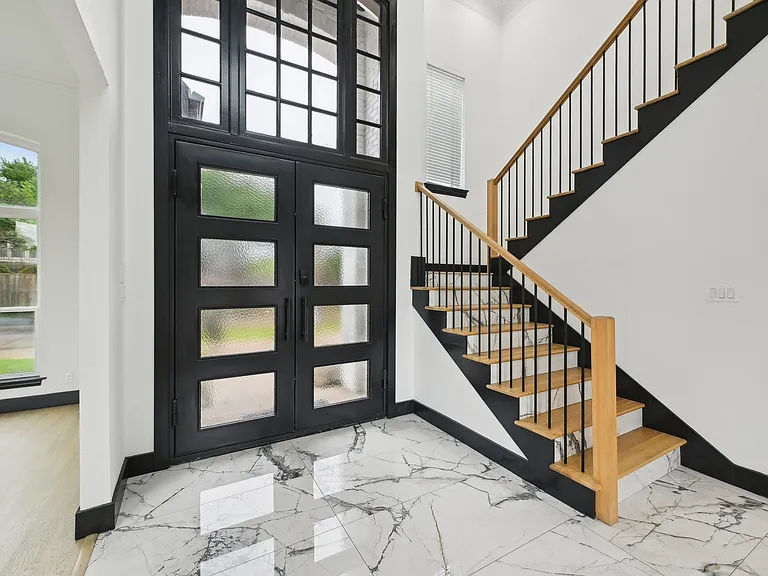
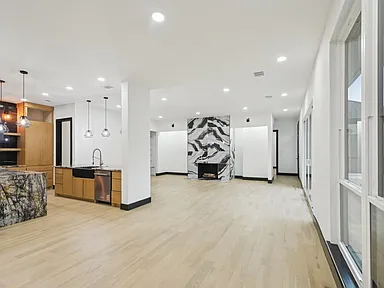
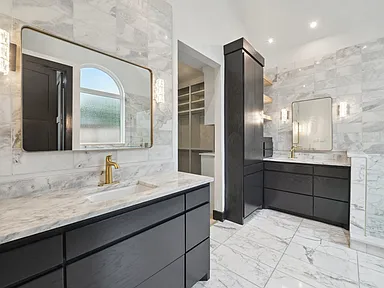
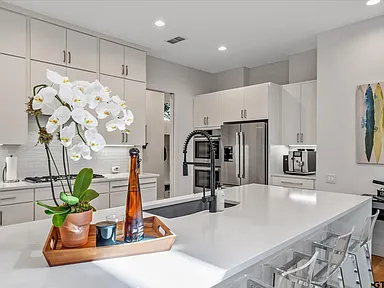
Recent home additions and expansions by UHS Remodeling across Dallas–Fort Worth, featuring smooth architectural integration, premium finishes, and quality construction.


“We needed more space for our growing family but did not want to leave our Dallas neighborhood. UHS Remodeling designed and built a room addition that blends perfectly with our existing home. The foundation work, framing, and finishing were all handled professionally, and the project came in on budget. Our neighbors cannot tell where the original home ends and the addition begins.” — Dallas homeowner, Google Review
Get a personalized estimate based on addition type, square footage, and finish level.
See Custom PricesHome addition costs in Dallas range from $40,000 for a garage conversion to $400,000+ for a full second-story addition. Ground-level room additions typically cost $100,000–$200,000. Second-story additions run $200,000–$400,000+. Sunrooms cost $50,000–$100,000. In-law suites and ADUs range from $120,000–$250,000. Per-square-foot costs in Dallas typically fall between $180–$300 depending on addition type and finish level. Dallas prices run 15–25% higher than suburban DFW communities.
A Dallas home addition typically takes 12–24 weeks from foundation to completion. Garage conversions average 6–10 weeks. Sunrooms take 8–12 weeks. Ground-level room additions run 12–16 weeks. Second-story additions and in-law suites take 16–24 weeks. Add 3–6 weeks for City of Dallas plan review and permitting before construction begins, and 4–8 additional weeks if historic district or HOA architectural review is required.
Yes. All home additions in Dallas require building permits from the City of Dallas. This includes plan review, structural engineering certification, foundation inspection, framing inspection, mechanical/electrical/plumbing inspections, and final inspection. Permit fees typically range from $1,500–$5,000 depending on project value. UHS Remodeling handles the entire permit and inspection process as part of our service.
Yes, but the process is more regulated than other Dallas neighborhoods. The Town of Highland Park has strict setback requirements, lot coverage maximums, height restrictions, and an architectural review process through the Board of Adjustment. University Park has similar but distinct regulations. Additions must be compatible with the home’s existing architecture and the neighborhood’s character. We have completed numerous addition projects in both communities and are experienced with the approval process, design standards, and construction logistics specific to the Park Cities.
Dallas has multiple conservation districts and historic overlays, including areas in Lakewood, M Streets, Swiss Avenue, and Munger Place. These districts require that additions be compatible in scale, massing, materials, and architectural character with the existing home and surrounding streetscape. Visible exterior modifications undergo design review, and approval timelines can add 4–8 weeks to your project schedule. We prepare design submissions that satisfy review requirements while delivering the additional space your family needs.
Most Dallas HOA communities allow home additions but require architectural review committee approval before construction begins. HOA requirements typically address exterior materials, roofline compatibility, setbacks beyond City of Dallas minimums, and construction timelines. We review your HOA’s covenants, conditions, and restrictions (CC&Rs) during the planning phase, prepare design submissions that comply with your community’s architectural standards, and factor the review timeline into our project schedule.
North Texas has some of the most expansive clay soils in the country. These soils swell when wet and shrink when dry, creating significant movement that can damage poorly designed foundations. Every home addition in Dallas requires engineered foundation design with soil testing to determine appropriate pier depth, spacing, and foundation type. We work with licensed structural engineers who specialize in North Texas soil conditions. Foundation costs typically represent 15–20% of a ground-level addition budget—this is not an area to cut corners.
In many cases, yes. The feasibility of a second-story addition depends on three factors: whether your existing foundation can support the additional load (or be reinforced to do so), whether your lot’s zoning allows the increased height, and whether your neighborhood has architectural restrictions on two-story construction. We assess all three during our initial feasibility visit. Second-story additions typically add 600–1,500 square feet and cost $200,000–$400,000+ in Dallas.
Home additions typically recoup 50–70% of their cost at resale, depending on the type and quality of the addition. In-law suites and primary suite additions tend to deliver the highest returns in Dallas’s market, where multi-generational living and spacious primary suites are in high demand. In neighborhoods like Highland Park and Lakewood, a well-executed addition that looks original to the home can return even more because it increases livable square footage without compromising the home’s architectural integrity.
Starting is simple. Call (469) 850-7087 or schedule a consultation online. We visit your Dallas home, evaluate your lot, discuss your space needs and budget, assess feasibility, and provide a detailed written proposal—completely free with no obligation. From there, we handle design, engineering, permits, and construction while keeping you informed every step of the way.
Call today for a free feasibility assessment and addition estimate, or schedule a visit at a time that works for you.