Expand your living space with a professionally designed and built home addition tailored to McKinney’s finest neighborhoods


McKinney has been one of the fastest-growing cities in the country for more than a decade, and that growth has pushed home values steadily upward across every neighborhood—from the established estates of Stonebridge Ranch and Craig Ranch to the walkable streets of Tucker Hill and the newer master-planned communities in Trinity Falls and Painted Tree. When families outgrow their floor plan but love their location, a home addition is often the smarter financial move compared to selling and relocating in today’s competitive McKinney market.
UHS Remodeling has been building additions and major renovations across Dallas–Fort Worth since 2014. We understand the structural realities of North Texas construction—post-tension slab foundations, expansive clay soils, extreme heat cycles, and the permitting process with the City of McKinney. Whether you need a single room addition, a full second story, or an in-law suite with a private entrance, our team handles the entire project from architectural plans through final inspection.
This guide covers everything McKinney homeowners need to know about planning a home addition in 2026: realistic costs by addition type, the step-by-step process from consultation through move-in, neighborhood-specific considerations, and answers to the questions we hear most. When you are ready to start the conversation, get a custom estimate or call us directly at (469) 850-7087.
Every home addition starts with a question: what does your family need that your current floor plan cannot provide? Below are the six most common addition types we build for McKinney homeowners, each with its own structural requirements, budget range, and design considerations.
A ground-floor room addition is the most straightforward way to add living space. Whether you need a larger family room, a dedicated home office, a playroom for growing children, or an expanded primary bedroom, this type of addition extends your home’s footprint outward on a new foundation. In McKinney, most room additions range from 200 to 500 square feet and require a new concrete slab, roofline extension, and full integration with existing HVAC, electrical, and plumbing systems. The result is a room that looks and feels like it was always part of the original home.
When your lot in McKinney does not allow outward expansion—or when you want to preserve yard space—a second-story addition builds upward instead. This is the most complex type of addition because it requires structural reinforcement of the existing foundation and first-floor walls to support the new load. Second-story additions are ideal for adding multiple bedrooms, a secondary living area, or a complete primary suite above the existing footprint. While the cost per square foot is higher, you gain significant living space without sacrificing any of your lot.
McKinney’s climate makes sunrooms and enclosed patios a popular choice for homeowners who want to enjoy natural light year-round without battling the Texas heat. These additions typically convert an existing covered patio or extend outward with floor-to-ceiling windows, insulated roofing, and climate control. A well-built sunroom functions as a true living space—comfortable in July and January alike—and adds a distinctive architectural element to your home.
Multi-generational living is increasingly common in McKinney, and an in-law suite provides private, self-contained living quarters within or attached to your home. These additions typically include a bedroom, bathroom, kitchenette, and separate entrance. Some McKinney homeowners build detached ADUs in their backyard for aging parents, adult children, or rental income. City of McKinney zoning regulations govern ADU size and placement, and we navigate those requirements as part of the project.
Converting an existing attached garage into finished living space is one of the most cost-effective ways to add square footage in McKinney. The structure, roof, and foundation already exist—the project focuses on insulation, drywall, flooring, windows, HVAC extension, and electrical work. Garage conversions are well-suited for home offices, media rooms, guest suites, or home gyms. Keep in mind that losing garage space may affect resale value, so we help you weigh the trade-offs before committing.
When your kitchen layout is too small but the rest of your home works well, a kitchen extension pushes the back or side wall outward to create the space you need. This type of addition is common in older McKinney homes around Downtown and Stonebridge Ranch where original kitchens were designed for a different era of cooking and entertaining. A kitchen extension allows for a larger island, walk-in pantry, breakfast nook, or open connection to the family room without the cost of a full home addition.
Home addition costs in McKinney depend on the type of addition, foundation requirements, roofline complexity, and the level of finish. Below are the ranges we see most often in the McKinney market, based on projects completed in 2024–2026.
| Addition Type | Typical Scope | McKinney Price Range |
|---|---|---|
| Room Addition | 200–500 sq ft ground-floor expansion with new foundation, roofline, HVAC, electrical | $80,000 – $150,000 |
| Second-Story Addition | Full second floor or partial upper level with structural reinforcement, new staircase, bedrooms & baths | $150,000 – $300,000+ |
| Sunroom / Enclosed Patio | 150–400 sq ft climate-controlled room with insulated roof, floor-to-ceiling windows, HVAC | $40,000 – $80,000 |
| In-Law Suite / ADU | 400–800 sq ft self-contained unit with bedroom, bath, kitchenette, separate entrance | $100,000 – $200,000 |
| Garage Conversion | 400–600 sq ft conversion of existing garage to finished living space with insulation, HVAC, finishes | $30,000 – $60,000 |
Four factors account for the majority of every home addition budget in McKinney:
For a personalized breakdown based on your home and addition plans, try our free remodeling cost calculator.
A home addition is a major project that touches every system in your house. Our structured six-phase process keeps timelines predictable, budgets transparent, and the end result seamless with your existing home.
We visit your McKinney home, evaluate the existing structure, review your lot survey and setback requirements, discuss your goals, and identify any foundation, zoning, or HOA constraints. This visit is free with no obligation.
Our design team creates detailed floor plans, elevations, and 3D renderings that show exactly how the addition will integrate with your existing home. We refine the design until the layout, proportions, and roofline are exactly right.
A licensed structural engineer prepares foundation and framing plans. We submit all documentation to the City of McKinney, pull permits, and coordinate any required HOA architectural review. This phase typically takes 3–6 weeks.
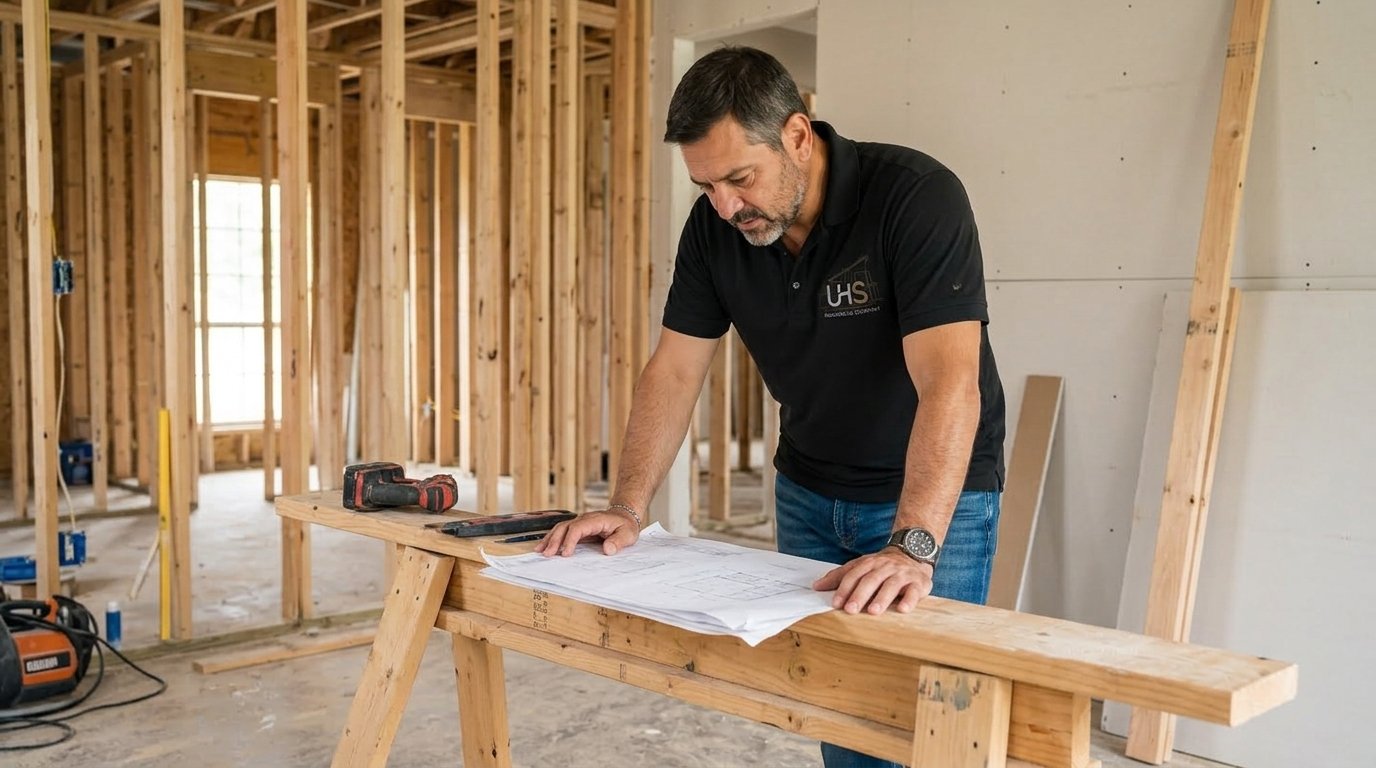
The foundation is poured and cured, walls are framed, and the new roofline is tied into the existing structure. This is the phase where the addition takes physical shape. Inspections are scheduled at each milestone.
Electrical, plumbing, and HVAC rough-in is completed and inspected. Then insulation, drywall, flooring, trim, paint, and fixtures transform the framed space into a finished room that matches the quality and character of your existing home.
The City of McKinney performs a final inspection to verify code compliance. We walk every detail with you, address any punch-list items on the spot, and hand over all warranty documentation and permits. Your new space is ready to use.

McKinney is a city of distinct communities, each with its own lot sizes, architectural standards, and addition opportunities. Here is what we typically see across the neighborhoods we serve most.
McKinney’s flagship master-planned community features homes from the late 1990s through 2010s on generous lots. Many families have outgrown the original floor plans but love the neighborhood’s mature landscaping, amenities, and school zones. The most common additions here are expanded primary suites, dedicated home offices, and rear family room extensions. Lot sizes typically accommodate ground-floor expansion, and the Stonebridge Ranch HOA requires architectural review before construction. Budget range: $80,000–$180,000.
A newer community (2005–2020) anchored by the TPC Craig Ranch golf course, with a mix of family homes and luxury estates. Homes here are generally well-laid-out but some owners need additional bedrooms as families grow or want to add a secondary living space above the garage. Second-story additions and in-law suites are common requests. The Craig Ranch HOA has specific guidelines on exterior materials and roofline compatibility. Budget range: $100,000–$250,000.
Tucker Hill’s new-urbanist design features traditional-style homes on smaller lots with rear-loaded garages and walkable streets. The compact lot sizes limit outward expansion, making second-story additions and garage conversions the most practical options. Any addition here must carefully match Tucker Hill’s distinctive architectural vocabulary—front porches, traditional proportions, and period-appropriate materials. Budget range: $60,000–$150,000.
McKinney’s newest master-planned communities have homes built from 2018 onward. While these homes are modern in design, many families who bought starter or mid-size homes are now ready for more space. Room additions for home offices, bonus rooms, and expanded primary suites are the most common requests. Newer construction makes structural integration more straightforward, but HOA architectural review is required. Budget range: $70,000–$160,000.
Character homes from the early 1900s through 1960s surround McKinney’s nationally recognized downtown square. Additions here require exceptional attention to architectural consistency—matching existing rooflines, siding profiles, window proportions, and trim details so the new space looks original to the home. Older homes also present challenges with outdated plumbing, electrical, and foundation systems that often need upgrading as part of the addition project. Some properties fall within the McKinney Historic Preservation Overlay District, which has additional design review requirements. Budget range: $90,000–$200,000.
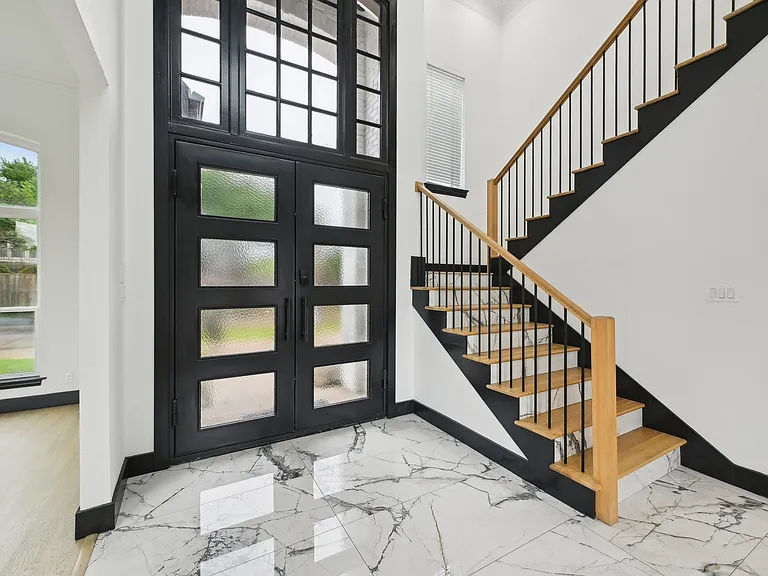
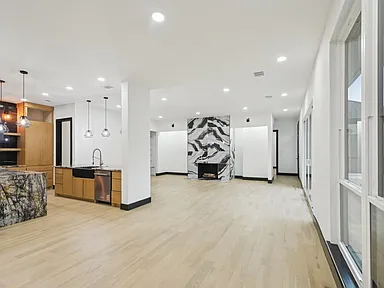
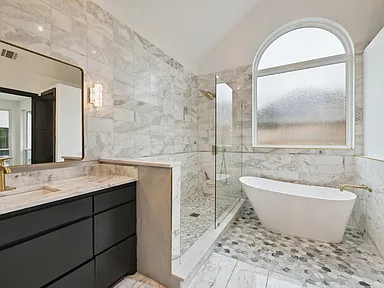
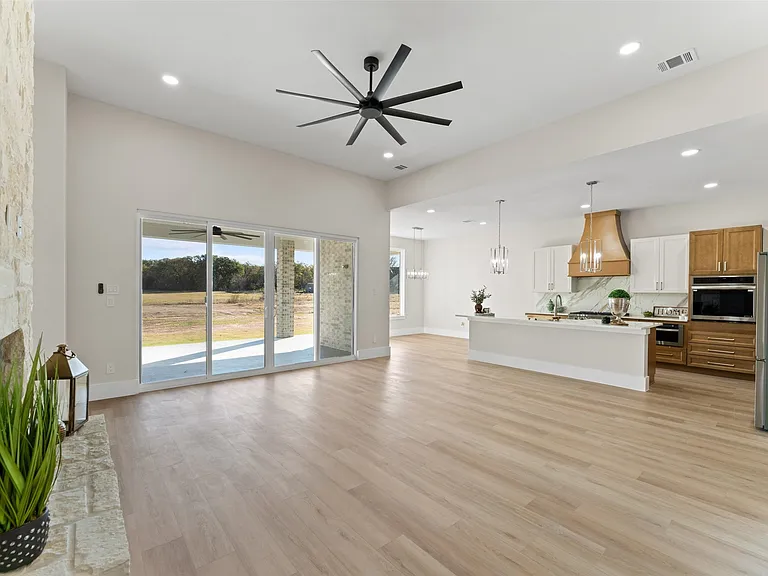
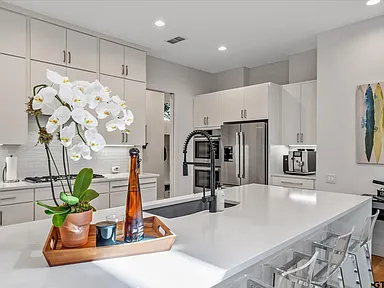
Recent renovation and expansion projects by UHS Remodeling featuring open-concept living spaces, seamless room transitions, and premium finishes throughout the Dallas–Fort Worth area.


“We needed more space for our growing family but did not want to leave our McKinney neighborhood. UHS added a 400-square-foot family room and expanded our primary suite. The new rooms match the original home perfectly—guests cannot tell where the addition starts. Professional from first meeting to final walkthrough.” — McKinney homeowner, Google Review
Get a personalized estimate based on your addition type, square footage, and finish level.
See Custom PricesHome addition costs in McKinney range from $30,000 for a basic garage conversion to $300,000+ for a full second-story addition. A ground-floor room addition (200–500 sq ft) typically costs $80,000–$150,000. Sunrooms run $40,000–$80,000. In-law suites with a kitchenette and private entrance average $100,000–$200,000. Costs depend on foundation requirements, roofline complexity, HVAC needs, and the level of finish you choose.
Most home additions in McKinney take 12–24 weeks from permits to completion. A straightforward room addition averages 12–16 weeks. Second-story additions, which involve structural reinforcement and more complex roofline work, typically run 18–24 weeks. The permitting and engineering phase adds 3–6 weeks before construction begins. We provide a detailed week-by-week schedule before work starts so you know exactly what to expect.
In most cases, adding onto your existing McKinney home is significantly cheaper than selling and buying a larger one. When you factor in real estate commissions (typically 5–6% of sale price), closing costs on both transactions, moving expenses, and the current premium on larger homes in McKinney, the total cost of moving often exceeds $80,000–$120,000 before you even consider the higher mortgage rate you would lock in today. A well-planned addition gives you the space you need at a fraction of that cost while keeping your current mortgage rate, neighborhood, and school zone.
Yes. The City of McKinney requires building permits for all home additions, including foundation work, framing, electrical, plumbing, and HVAC. You will also need a site plan showing the addition’s footprint relative to property lines and setback requirements. Depending on your neighborhood, HOA architectural approval may be required before the city permit is issued. UHS Remodeling handles the entire permitting process, including engineering plans, city applications, and all required inspections.
Second-story additions in McKinney typically cost $150,000–$300,000 or more depending on the square footage and scope. The higher cost compared to ground-floor additions reflects the structural engineering required to reinforce the existing foundation and first-floor walls, plus the complexity of building a new staircase, extending all mechanical systems vertically, and creating a weather-tight roof. A partial second story (one or two rooms above an existing section) costs less than a full second floor.
A well-designed home addition typically recoups 50–70% of its cost in immediate property value, with the exact return depending on the type of addition and the McKinney neighborhood. Additions that increase the bedroom and bathroom count tend to produce the highest ROI because they move your home into a higher comparable sales bracket. The key is quality—a professionally built addition with seamless integration adds real value, while a poorly executed one can actually decrease your home’s appeal to buyers.
Any permanent room addition in McKinney requires a foundation—this is a structural and code requirement, not optional. The specific foundation type depends on your soil conditions and the addition’s size. Most McKinney additions use a concrete slab foundation, often post-tensioned to handle the area’s expansive clay soils. The only exception is a garage conversion, where the existing garage slab serves as the foundation—though it may need leveling or reinforcement depending on its condition.
Yes. We manage the entire design and engineering process in-house and through our network of licensed architects and structural engineers. You receive detailed floor plans, exterior elevations, structural engineering drawings, and 3D renderings before construction begins. All plans are stamped by a licensed Texas engineer and submitted directly to the City of McKinney for permitting. You deal with one team from concept through completion.
Many McKinney neighborhoods—including Stonebridge Ranch, Craig Ranch, Tucker Hill, Trinity Falls, and Painted Tree—require HOA architectural review before any exterior modification or addition. The HOA will evaluate the proposed design for compatibility with the community’s architectural standards, including roofline, exterior materials, colors, and setbacks. We prepare the HOA submission package as part of our service and coordinate directly with your HOA’s architectural review committee to minimize delays.
Starting is simple. Call (469) 850-7087 or schedule a consultation online. We visit your McKinney home, evaluate the existing structure, review your lot and setback requirements, discuss your goals and budget, and provide a detailed written proposal—completely free with no obligation. From there, we handle architectural design, engineering, permits, HOA coordination, and every phase of construction.
Call today for a free consultation, or schedule a visit at a time that works for you.