Professional Home Renovation Kitchen Remodeling Bathroom Remodeling Services
HOME ADDITION · RICHARDSON, TX

Home Addition in Richardson, TX

The definitive guide to adding space, value, and functionality to your Richardson home — with real pricing, permit guidance, and neighborhood-specific insights

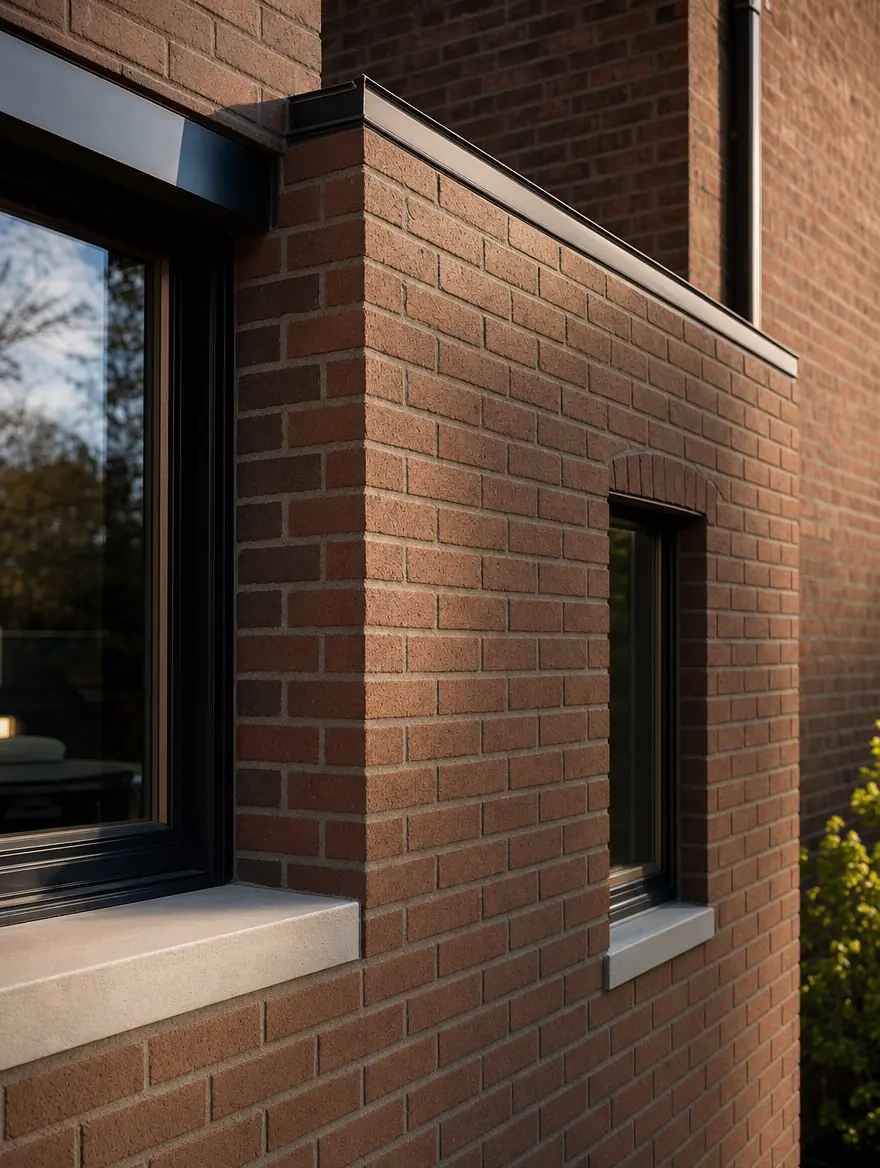
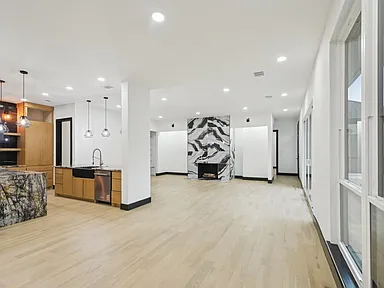
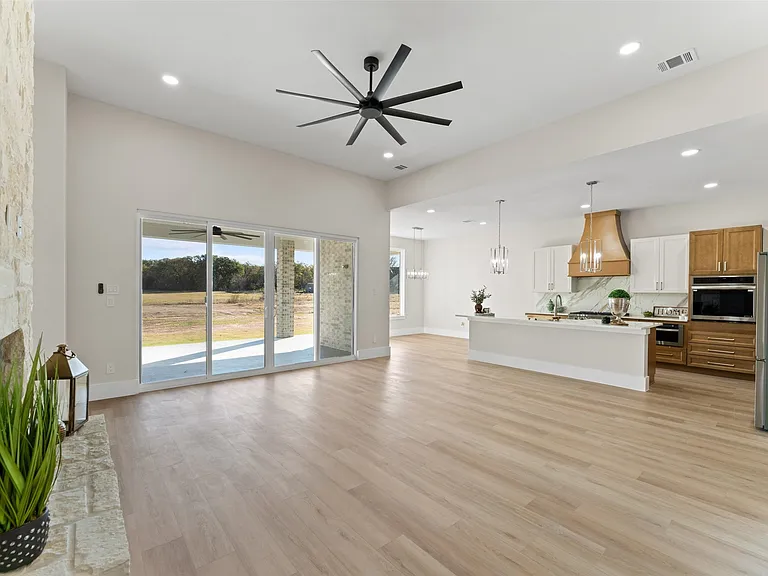
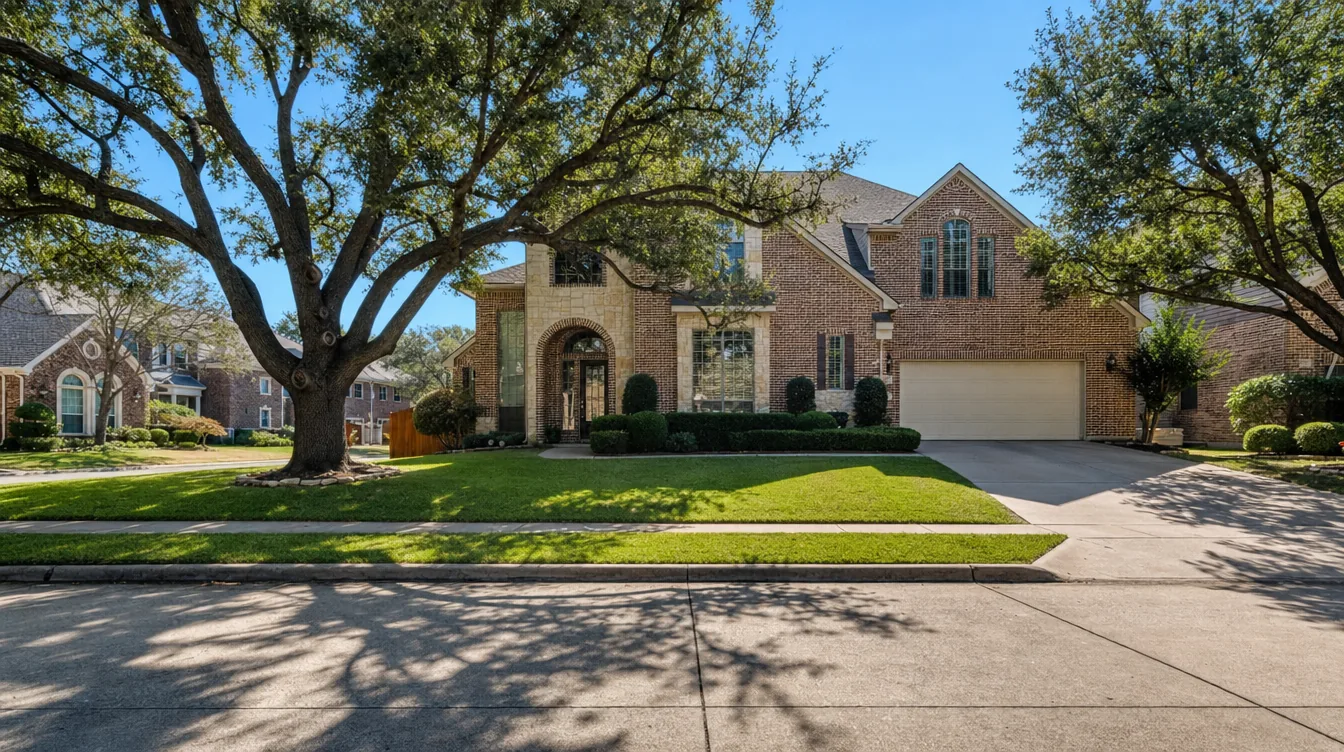
Home addition in Richardson TX featuring an expanded open-concept living area by UHS Remodeling
Expanded living space in the Richardson area — seamless addition integrated with the original home
Quick Answer: Home additions in Richardson, TX typically cost $70,000–$280,000+ depending on the type and size of addition. Per-square-foot costs range from $140–$230 for finished living space. A standard room addition averages $70,000–$140,000, while second-story additions range from $140,000–$280,000+. Most projects take 12–24 weeks from foundation to final inspection.

UHS Remodeling — 11+ years serving DFW • 500+ five-star reviews • Licensed & insured
Free estimate: (469) 850-7087
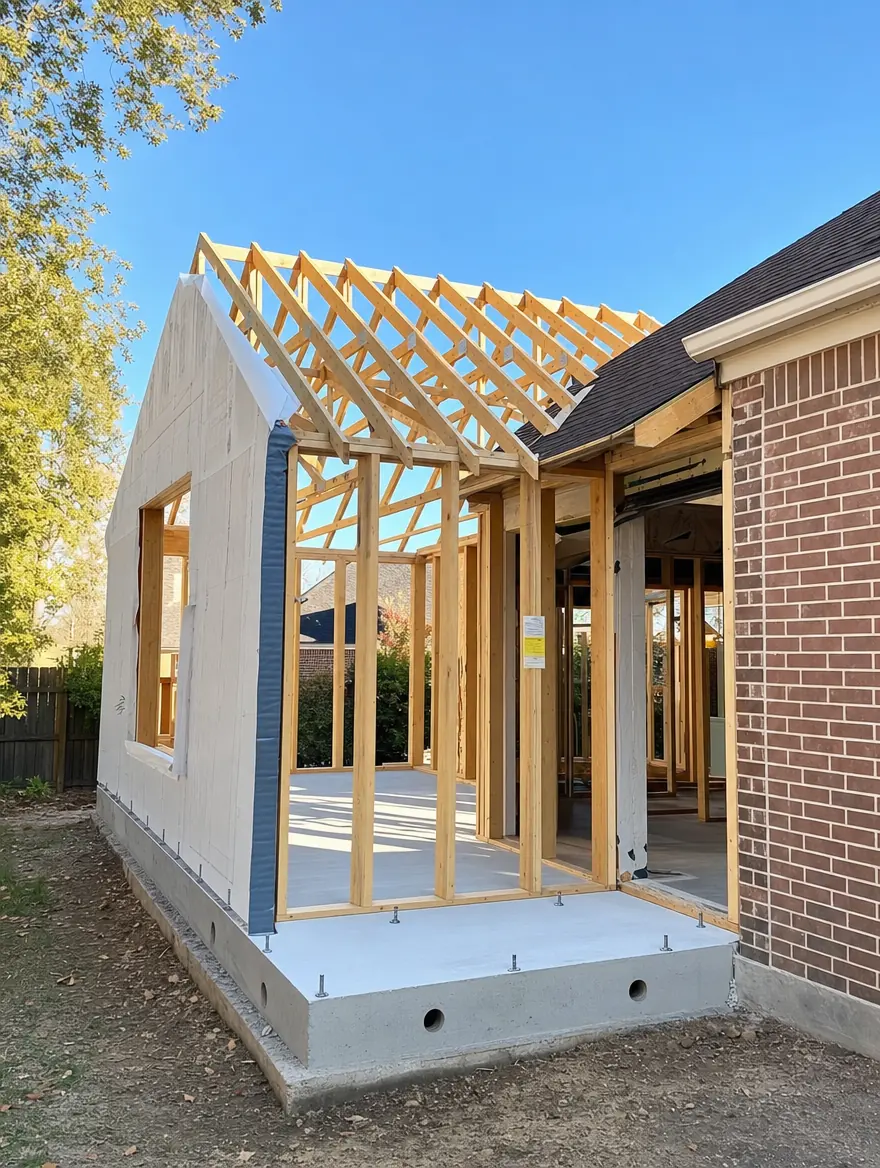
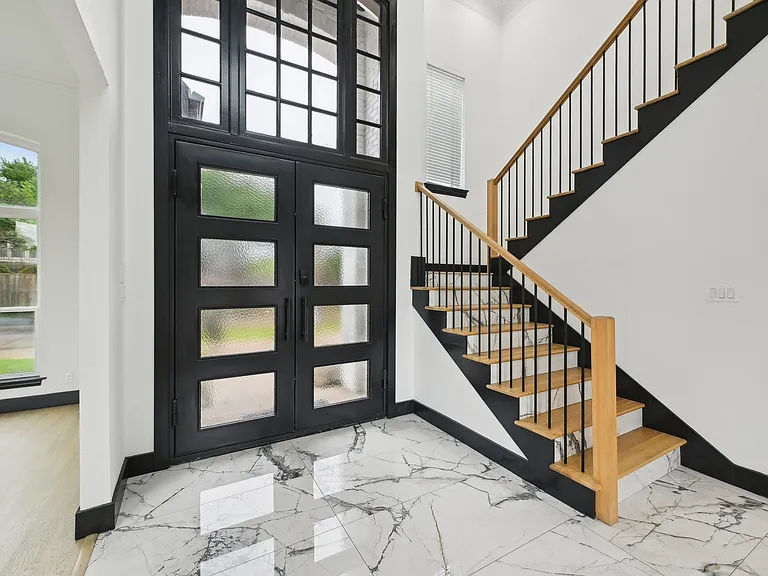
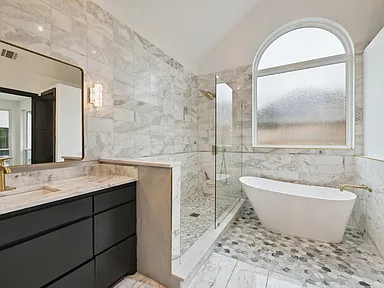
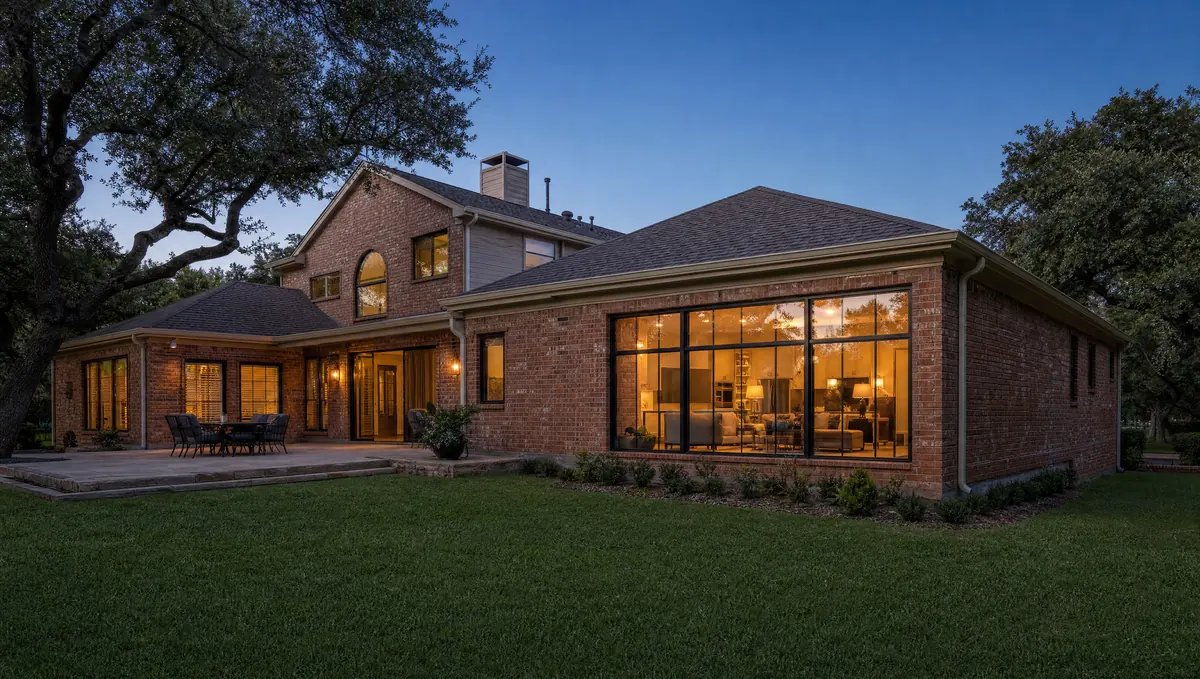
Home addition and entryway expansion in Richardson TX by UHS Remodeling
Expanded entryway & addition integration

Richardson is a city where families stay. The schools are strong, the commutes are manageable, the neighborhoods are established, and the tree canopy gives the city a maturity that newer suburbs cannot replicate. But staying means outgrowing your home. A second child needs a bedroom. A remote-work professional needs a dedicated office. Aging parents need accessible quarters on the first floor. A growing family needs a larger kitchen, a second living area, or simply more room to breathe. The home you love needs to grow with you, and in Richardson, the lot sizes and zoning framework often make that possible.

UHS Remodeling has been building home additions across the DFW metroplex since 2014, and Richardson is a market we know deeply. The city’s housing stock—predominantly built from the 1970s through the 1990s—includes single-story ranches that are ideal candidates for room additions or second-story builds, and two-story homes on generous lots that accommodate ground-floor expansions. The demand is particularly strong near the University of Texas at Dallas, where growing families and professionals want more space without leaving one of DFW’s most convenient locations.

This guide covers everything Richardson homeowners need to plan a home addition with confidence: the six most common addition types with realistic 2026 pricing, cost drivers specific to Richardson’s building conditions, City of Richardson permit requirements, our step-by-step process, and neighborhood insights that help you make smarter decisions about where and how to expand. When you are ready, use our free cost calculator or call us directly at (469) 850-7087.

Types of Home Additions in Richardson, TX

Not every addition is the same, and understanding the options helps you match the right type to your needs, your lot, and your budget. Below are the six addition types we build most frequently in Richardson, with the structural and practical considerations that apply to each.

Room Addition (Ground Floor)

A ground-floor room addition is the most straightforward way to add living space to a Richardson home. This involves extending the home’s footprint by building out from an existing exterior wall—adding a new bedroom, home office, family room, or expanded dining area. The new space shares the existing home’s roofline (extended to cover the addition), connects through a new opening in the existing wall, and includes its own foundation, framing, insulation, HVAC tie-in, and electrical service. In Richardson, where many single-story ranches sit on quarter-acre or larger lots, room additions are a natural fit. A typical 300–500 square foot room addition costs $70,000–$140,000 depending on finishes, foundation type, and the complexity of integrating with the existing structure.

Second-Story Addition

A second-story addition transforms a single-story Richardson home into a two-story by building an entirely new level above the existing structure. This is the most complex and costly addition type, but it doubles the home’s living space without consuming any additional lot coverage—a significant advantage on smaller Richardson lots where setback requirements limit ground-floor expansion. The process involves temporarily removing the roof, reinforcing the existing foundation and first-floor framing to support the new load, building the second floor with bedrooms, bathrooms, and potentially a second living area, and constructing a new roof over the entire structure. Second-story additions in Richardson typically range from $140,000–$280,000+ and take 16–24 weeks. The investment is substantial, but the value created—often adding 800–1,500 square feet—frequently exceeds the cost.

Sunroom & Four-Season Room

Sunrooms are one of the most popular additions for Richardson homeowners who want to enjoy the outdoors year-round without the Texas heat. A three-season sunroom with screened walls and a solid roof costs less than a fully conditioned four-season room, but most Richardson homeowners opt for the full build: insulated walls, HVAC connection, proper flooring, and enough glazing to flood the space with natural light while keeping energy costs manageable. Sunrooms are ideal for lots with south- or west-facing backyards, and they often become the most-used room in the house. Costs range from $35,000 for a basic screened room to $70,000+ for a fully finished four-season addition with premium windows and climate control.

In-Law Suite & ADU

Accessory dwelling units (ADUs) and in-law suites are experiencing a surge in demand across Richardson, driven by multigenerational living trends and the practical need for independent living quarters for aging parents or adult children. These additions include a private bedroom, full bathroom, kitchenette or full kitchen, separate entrance, and often their own HVAC zone. The City of Richardson has specific regulations governing ADUs—including size limits, parking requirements, and owner-occupancy rules—and we navigate these requirements as part of our planning process. A well-designed in-law suite adds significant value to the home while providing dignified, independent living space for family members. Budget range: $90,000–$180,000 depending on size, finishes, and whether the unit is attached to the main home or a detached structure.

Garage Conversion

Converting an existing attached or detached garage into finished living space is one of the most cost-effective ways to add square footage to a Richardson home. The shell already exists—foundation, walls, and roof are in place—so the work focuses on insulation, drywall, flooring, electrical, HVAC, windows, and an exterior wall where the garage door was. Garage conversions in Richardson frequently become home offices, media rooms, guest suites, or in-law quarters. The cost advantage is significant: $28,000–$55,000 for a two-car garage conversion versus $70,000+ for a comparable new room addition. The trade-off is losing dedicated parking and storage, so we always discuss alternative parking and storage solutions during the planning phase.

Kitchen Extension

Many Richardson homes, particularly those built in the 1970s and 1980s, have kitchens that are simply too small for modern use. A kitchen extension pushes the back or side wall of the home outward by 8–15 feet, creating room for a larger island, additional cabinetry, a walk-in pantry, or a breakfast nook that opens to the backyard. This type of addition is often combined with an open-concept conversion of the existing interior, creating a dramatic transformation that makes the kitchen the true center of the home. Kitchen extensions in Richardson typically cost $60,000–$140,000 depending on the size of the expansion, the structural work required, and the quality of kitchen finishes selected.

How Much Does a Home Addition Cost in Richardson, TX?

Home addition costs in Richardson depend on the type of addition, the size, the quality of finishes, and the complexity of integrating the new space with the existing structure. Below are the five project types we build most frequently, with realistic 2026 pricing based on completed projects in the Richardson area.

Addition TypeTypical SizeRichardson Price Range
Room Addition (Ground Floor)300–500 sq ft$70,000 – $140,000
Second-Story Addition800–1,500 sq ft$140,000 – $280,000+
Sunroom / Four-Season Room150–300 sq ft$35,000 – $70,000
In-Law Suite / ADU400–800 sq ft$90,000 – $180,000
Garage Conversion400–600 sq ft$28,000 – $55,000

What Drives Home Addition Costs in Richardson?

Six factors account for the majority of cost variation across Richardson home addition projects:

For a personalized estimate based on your specific addition plans, try our free remodeling cost calculator.

Our Home Addition Process

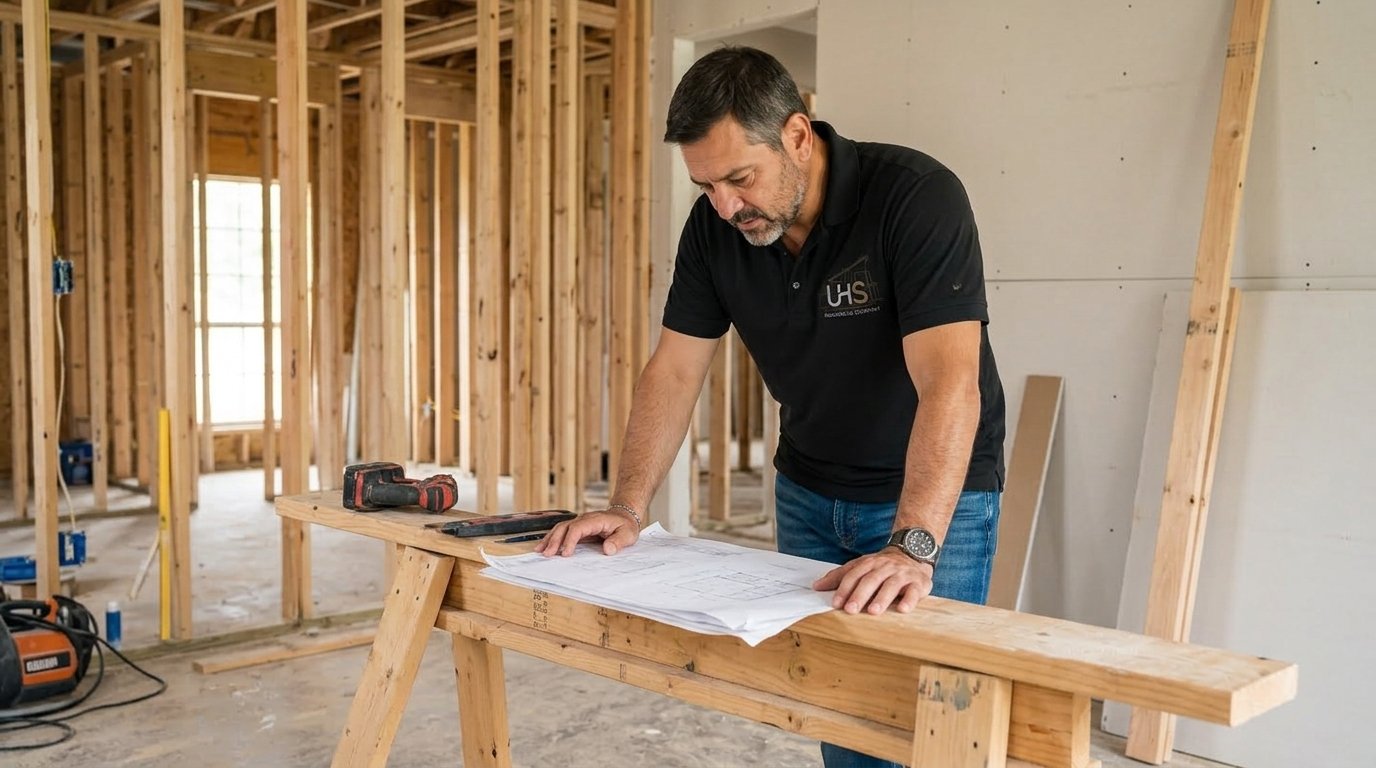
Building a home addition is one of the most complex residential construction projects, involving new foundation work, structural framing, roofing, and full integration with the existing home’s systems. Our six-step process ensures every phase is planned, permitted, and executed with precision.

  1. 1
    Free Consultation & Feasibility Assessment

    We visit your Richardson home, evaluate the lot for setback compliance and available buildable area, assess the existing foundation and structure, discuss your space needs and budget, and determine which addition types are feasible for your specific property. This visit is free with no obligation.

  2. 2
    Architectural Design & Engineering

    Our team creates detailed architectural plans including floor plans, elevations, structural details, and mechanical layouts. For second-story additions and load-bearing modifications, a licensed structural engineer designs the support system. You review and revise the plans until every detail is exactly right.

  3. 3
    City of Richardson Permitting

    We prepare and submit all permit applications to the City of Richardson, including site plans, structural drawings, and engineering reports. We manage the review process, respond to any city comments, and secure all required permits (building, electrical, plumbing, mechanical) before breaking ground. Richardson’s permit review typically takes 2–4 weeks.

  4. 4
    Foundation & Structural Framing

    Soil testing comes first, followed by foundation construction (pier-and-beam or post-tension slab). Once the foundation cures and passes inspection, structural framing goes up: walls, headers, roof trusses or rafters, and the connection points where the addition ties into the existing home. This phase includes rough plumbing, electrical, and HVAC installation.

  5. 5
    Roofing, Exterior & Systems Integration

    The new roof is installed and tied into the existing roofline. Exterior cladding—brick, siding, stucco, or stone—is matched to the existing home for a seamless appearance. Windows and exterior doors go in. HVAC ductwork, electrical circuits, and plumbing are connected to the home’s existing systems. All rough-in work is inspected before walls are closed.

  6. 6
    Interior Finishing & Final Walkthrough

    Insulation, drywall, paint, flooring, trim, cabinetry (where applicable), fixtures, and hardware complete the interior. The transition between old and new space is finished to make the addition feel like it was always part of the home. Final inspections are completed, and we walk every inch with you before handing over all warranty documentation.

Home Additions by Richardson Neighborhood

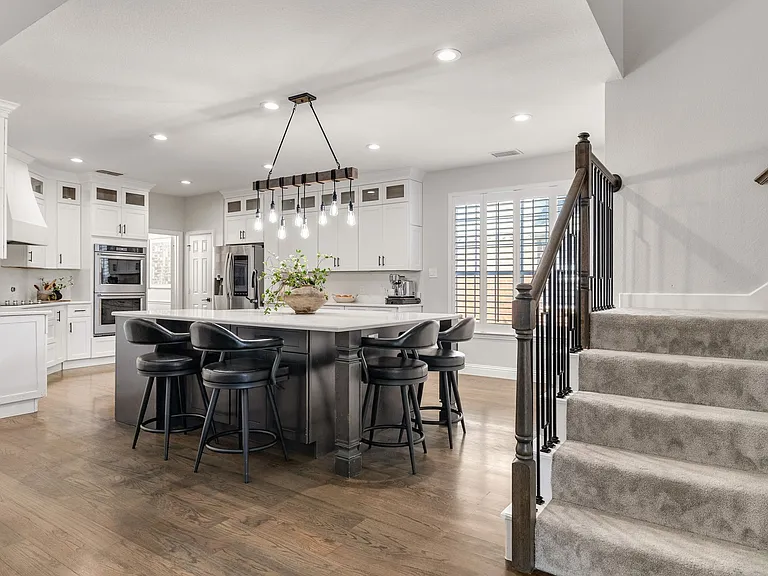
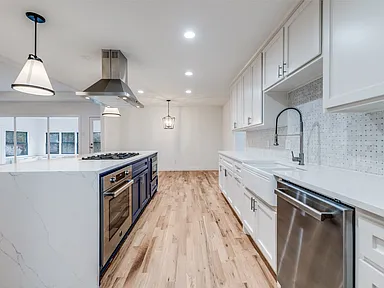
Kitchen extension in Richardson TX with white cabinets and quartz island by UHS Remodeling
Kitchen extension & expanded living area

Richardson’s neighborhoods vary significantly in lot size, existing home footprint, zoning restrictions, and homeowner priorities. Here is what we typically see across the communities where we build additions most frequently.

Canyon Creek

Canyon Creek offers some of Richardson’s most generous lots, with many properties on quarter-acre or larger parcels. The 1980s–1990s homes here are typically 2,200–3,500 square feet, and the lot sizes often allow substantial ground-floor additions without approaching lot coverage limits. Popular projects include family room expansions, primary suite additions, and kitchen extensions that open to covered outdoor living areas. Second-story additions are less common here because the existing homes are already large, but we do build them when homeowners want to add multiple bedrooms or a separate living level. Budget range: $80,000–$220,000.

Heights Park & Reservation

These mid-Richardson neighborhoods feature a mix of single-story ranches and split-level homes from the 1960s–1980s on lots that range from 8,000 to 12,000 square feet. The single-story homes are excellent candidates for second-story additions that can add 800–1,200 square feet of bedroom and bathroom space without using any additional lot area. Ground-floor room additions are also common, often expanding toward the backyard. These neighborhoods offer strong ROI on additions because the per-square-foot cost of the existing home is relatively low, making the added space immediately accretive to property value. Budget range: $70,000–$180,000.

Cottonwood & Prairie Creek

Cottonwood and Prairie Creek contain primarily 1970s–1980s homes on standard suburban lots. Many are 1,200–1,800 square feet—comfortable for their era but increasingly tight for modern families. Room additions and garage conversions are the most common projects here, along with sunroom additions that extend the living space into the backyard. Lot coverage can be a constraint on smaller parcels, so we always verify setback and coverage compliance during the feasibility assessment. The relatively modest home values in these neighborhoods make additions a particularly strategic investment: a $60,000–$90,000 addition can transform a home’s livability and market position. Budget range: $50,000–$130,000.

Brick Row & Arapaho Heights

Brick Row’s newer construction has limited addition opportunities, but the townhomes and single-family homes sometimes benefit from sunroom additions or garage conversions. Arapaho Heights, with its 1970s–1980s homes on moderate lots, offers more flexibility for ground-floor room additions and kitchen extensions. Proximity to DART rail and the Telecom Corridor makes both areas attractive for investment in additional living space, particularly home office suites and in-law quarters. Budget range: $40,000–$120,000.

UTD Area & Telecom Corridor

The neighborhoods surrounding UT Dallas and the major employers along the Telecom Corridor (Texas Instruments, Ericsson, Cisco) include a variety of 1970s subdivisions with homes that are often undersized for professionals and families who want to stay close to work and campus. Garage conversions into home offices are extremely popular here, as are room additions for growing families. ADU and in-law suite construction is increasing as homeowners explore rental income opportunities near UTD’s expanding student population. Budget range: $35,000–$140,000.

Mimosa Lane & Historic Downtown Richardson

The neighborhoods near historic downtown and along Mimosa Lane include some of Richardson’s oldest and most characterful homes—1950s–1960s ranches and bungalows on established lots with mature trees. Additions here require particular sensitivity to the existing architecture and the neighborhood’s visual character. We design additions that complement the home’s original proportions rather than overwhelming them. Older foundations may need reinforcement to support new construction, and plumbing and electrical systems often require updating as part of the project. These homes reward thoughtful expansion with tremendous character and livability. Budget range: $60,000–$150,000.

Home Addition Gallery

Recent home additions and expansions by UHS Remodeling in the Richardson and north Dallas area, featuring room additions, open-concept integrations, kitchen extensions, and seamless architectural transitions.

Why Richardson Homeowners Choose UHS Remodeling for Additions

“We needed more space but did not want to leave our Richardson neighborhood. UHS added a 450-square-foot primary suite and extended our kitchen into the backyard. The foundation work, framing, and roofline integration were flawless—you cannot tell where the original house stops and the addition starts. They handled every permit and inspection with the city. The project was worth every penny.” — Richardson homeowner, Google Review

What Will Your Richardson Home Addition Cost?

Get a personalized estimate based on your addition type, square footage, and material preferences.

See Custom Prices

Home Addition FAQ — Richardson, TX

How much does a home addition cost in Richardson, TX?

Home addition costs in Richardson range from $28,000 for a garage conversion to $280,000+ for a second-story addition. Ground-floor room additions (300–500 sq ft) typically cost $70,000–$140,000. Second-story additions run $140,000–$280,000+. Sunrooms cost $35,000–$70,000. In-law suites and ADUs range from $90,000–$180,000. Per-square-foot costs for finished living space typically run $140–$230 depending on the type and quality of finishes.

How long does it take to build a home addition in Richardson?

Most Richardson home additions take 12–24 weeks from groundbreaking to completion. Garage conversions and sunrooms can be finished in 8–12 weeks. Room additions typically take 12–16 weeks. Second-story additions require 16–24 weeks due to the complexity of structural reinforcement, full roof replacement, and systems integration. Add 2–4 weeks for City of Richardson permit review before construction begins.

Do I need a permit for a home addition in Richardson, TX?

Yes. The City of Richardson requires building permits for all home additions, including room additions, second-story builds, sunrooms, garage conversions, and ADUs. You will need structural, electrical, plumbing, and mechanical permits, along with a site plan showing compliance with setback requirements and lot coverage limits. UHS Remodeling handles the entire permit process, including application, plan submission, and all required inspections.

What is the maximum lot coverage allowed in Richardson?

Lot coverage limits in Richardson residential zones typically range from 40–45 percent, meaning the combined footprint of your home, addition, garage, and other structures cannot exceed that percentage of your total lot area. Setback requirements also apply: homes must maintain minimum distances from front, side, and rear property lines. These limits are the primary constraint on ground-floor additions and one of the key reasons some homeowners opt for second-story additions instead. We verify all coverage and setback compliance during our initial feasibility assessment.

Can my existing foundation support a second-story addition?

Most Richardson homes built in the 1970s–1990s were not originally designed to support a second story. A licensed structural engineer evaluates your existing foundation, determines whether reinforcement is needed, and designs the support system for the new level. In many cases, the existing foundation can be supplemented with additional piers or footings rather than replaced entirely. This engineering analysis is a standard part of our second-story addition planning process and ensures the structural integrity of both the existing home and the new construction.

Is it cheaper to build an addition or move to a bigger house?

In Richardson’s current market, building an addition is often more cost-effective than moving. When you factor in real estate commissions (5–6 percent of your current home’s sale price), closing costs on the new purchase, moving expenses, and the price premium for a larger home, the total cost of moving frequently exceeds the cost of adding equivalent space to your current home. An addition also lets you stay in your neighborhood, keep your property tax basis, and customize the space exactly to your needs.

Will a home addition match my existing home’s architecture?

This is one of our highest priorities. We design every addition to integrate seamlessly with the existing home’s roofline, exterior materials (brick, siding, stone), window styles, trim profiles, and interior finishes. We source matching or complementary materials and pay close attention to proportions so the addition looks like it was part of the original design. The goal is that no one can tell where the original house ends and the addition begins.

What happens to my HVAC system when I add space?

Adding conditioned living space increases the load on your HVAC system. We perform a load calculation to determine whether your existing system can handle the additional square footage. In many Richardson homes, the existing unit is already near capacity, and we recommend either upgrading to a larger system or installing a supplemental mini-split unit for the addition. A dedicated zone for the new space often provides better comfort and efficiency. HVAC costs for additions typically range from $5,000–$15,000.

Can I build an ADU or in-law suite in Richardson?

Yes, but the City of Richardson has specific regulations governing accessory dwelling units. Requirements include maximum size limits (typically a percentage of the primary dwelling or a fixed square footage cap), parking provisions, setback compliance, and owner-occupancy rules. ADUs must meet the same building code requirements as the primary home. We research the specific zoning regulations for your property during the feasibility assessment and design the ADU to comply with all city requirements while maximizing functionality and livability.

How do I get started with a Richardson home addition?

Starting is simple. Call (469) 850-7087 or schedule a consultation online. We visit your Richardson property, evaluate the lot and existing structure, discuss your space needs and budget, and determine which addition type is the best fit. You receive a detailed written proposal—completely free with no obligation. From there, we handle design, engineering, permitting, and construction while keeping you informed every step of the way.

Ready to Expand Your Richardson Home?

Call today for a free consultation, or schedule a visit at a time that works for you.