

A major home renovation is not a weekend project or a cosmetic refresh. It is a complex process that affects your home’s structure, systems, safety, and long-term value. Homeowners often underestimate the planning, time, and professional coordination required especially when remodeling, structural, and utility systems are involved.
At UHS Remodeling, we regularly see renovation projects delayed or damaged because remodeling considerations were treated as an afterthought. This guide explains what truly qualifies as a major renovation, what it costs, how long it takes, and why professional involvement protects your investment.
What Is Considered a Major Home Renovation?
Many homeowners ask what is considered a major home renovation because the line between remodeling and renovation can feel unclear. A project becomes “major” when it impacts structural components, mechanical systems, or multiple areas of the home at once.
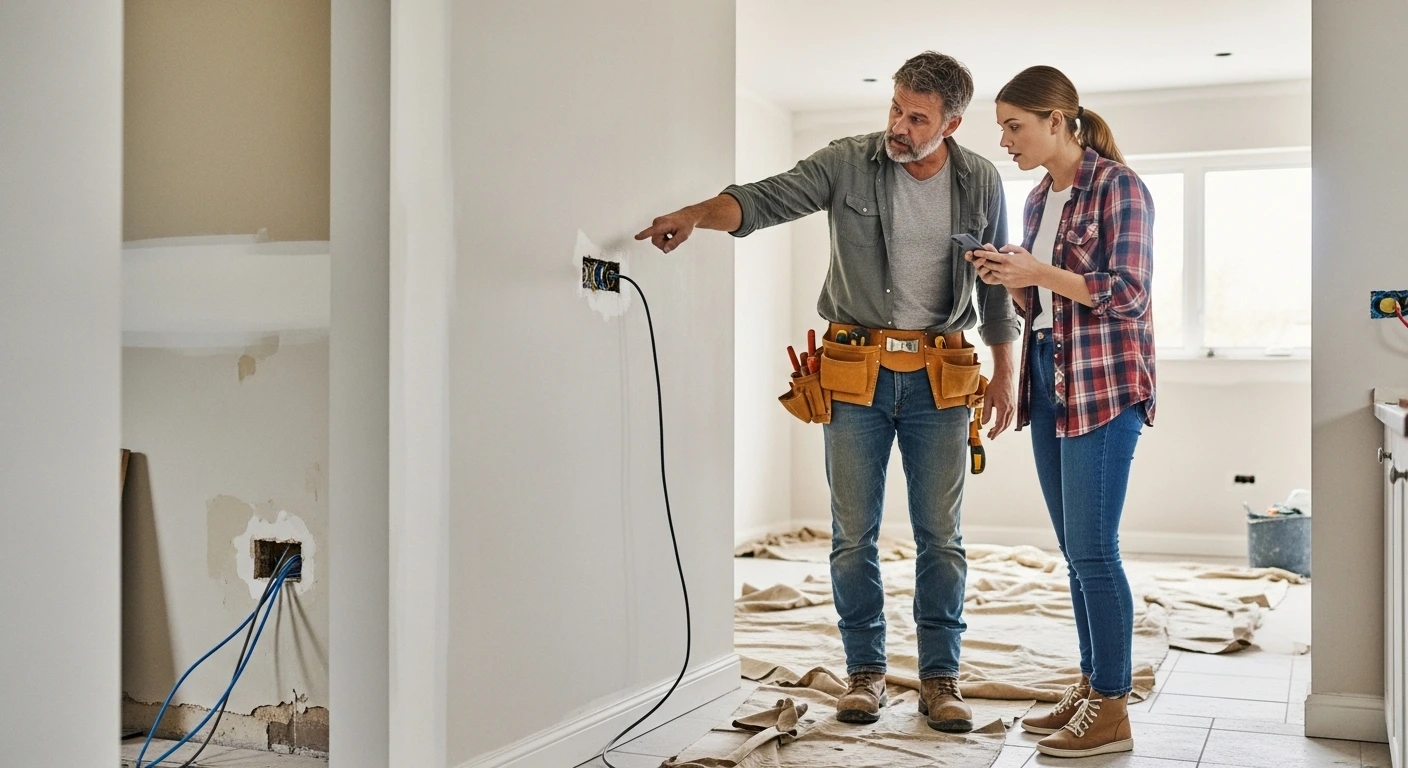
Examples include full kitchen or bathroom renovations, reconfiguring floor plans, replacing outdated structural elements, upgrading utility systems, or completing a whole-home overhaul. These projects require permits, inspections, coordination between trades, and strict adherence to building codes.
Structural and system modifications are especially critical. Any change to layouts, load-bearing elements, fixture placement, or system routing introduces risks that DIY solutions rarely address correctly.
How Much Does a Major Home Renovation Cost?
One of the most common questions homeowners ask is how much does a major home renovation cost. The honest answer depends on scope, materials, labor, system upgrades, and local regulations.
Costs increase significantly when structural systems need replacement or rerouting. Aging materials, improper installations, outdated components, or hidden damage often surface once walls and floors are opened.
According to the U.S. EPA renovation efficiency guidance, outdated renovation systems contribute to water waste, pressure issues, and long-term structural damage if not upgraded during renovations.
Trying to cut costs by skipping licensed professionals often leads to failed inspections, rework, and higher expenses later.
How Long Does a Major Home Renovation Take?
Another key concern is how long does a major home renovation take. While timelines vary, most major projects span several months from planning to final inspection.
Delays commonly occur when structural work is underestimated. Relocating walls, installing modern systems, or correcting legacy construction layouts takes time and must follow a precise process.
Homeowners planning full remodels often benefit from understanding realistic timelines, similar to those explained in this renovation timeline guide.
The Best Way to Finance a Major Home Renovation
Finding the best way to finance a major home renovation requires balancing budget, long-term value, and risk. Financing options include savings, renovation loans, or home equity solutions.
From a professional perspective, it is wiser to allocate funds toward core structural systems first. Cosmetic upgrades can wait, but compromised foundational elements cannot.
Research from Harvard University’s JCHS highlights that investments in infrastructure systems deliver stronger long-term returns than surface-level upgrades.
Why DIY Fails in Major Home Renovations
DIY projects may work for paint or fixtures, but they consistently fail during major home renovations. Structural mistakes are among the most expensive and dangerous errors homeowners make.
Improper pipe sizing, incorrect venting, poor drainage slopes, and untested connections often lead to leaks behind walls, mold growth, and structural damage. These problems rarely appear immediately; they surface months later when repairs are more invasive.
Professional renovation standards, such as those outlined by the NAHB, exist to prevent these exact issues.
When Professional Remodeling Services Are Non-Negotiable
Any major renovation involving kitchens, bathrooms, laundry rooms, or additions requires professional remodeling expertise. Structural integrity, layout efficiency, system performance, and code compliance are not optional.
Homeowners upgrading kitchens often overlook how renovation impacts layout decisions, something covered in this kitchen renovation ROI resource.
Similarly, bathroom renovations demand precise waterproofing and drainage planning, which becomes clear when reviewing realistic bathroom renovation costs.
Planning a Safer, Smarter Major Home Renovation
A successful major home renovation begins with system-first planning. Structural assessments should happen before design finalization, not after demolition begins.
Professionals coordinate inspections, permits, materials, and timelines so your renovation progresses without costly interruptions. This structured approach reduces risk and protects your home’s long-term value.
At UHS Remodeling, we ensure renovation projects are completed safely, efficiently, and to code.
FAQs
What qualifies as a major home renovation?
A major home renovation involves structural changes, system upgrades, or multiple rooms being remodeled simultaneously. Projects like kitchen overhauls, bathroom reconstructions, system rerouting, or full floor plan changes require permits, inspections, and coordination between licensed professionals to ensure safety and building code compliance.
Why are structural systems so important during major renovations?
Structural systems directly affect layout integrity, functionality, and long-term durability. When walls and floors are opened, hidden issues like aging materials, improper installations, or outdated components often appear. Addressing these early prevents damage, inspection failures, and expensive rework later.
How much does a major home renovation typically cost?
Costs vary depending on scope, materials, labor, and system upgrades. Expenses increase significantly when structural elements require replacement or redesign. Investing in licensed professionals may seem higher upfront but prevents costly corrections, failed inspections, and long-term structural damage.
How long does a major home renovation usually take?
Most major renovations take several months from planning to final inspection. Delays often occur when structural complexity is underestimated. Reconfiguring layouts, upgrading systems, and ensuring code compliance require careful scheduling and coordination between contractors.
Is DIY safe for major home renovation projects?
DIY approaches are risky for structural or system-related renovations. Incorrect measurements, poor installations, or improper structural modifications can cause hidden damage and long-term issues. Professional involvement ensures code compliance, safety, proper system testing, and long-term reliability.