
Signs Your Contractor Is Cutting Corners During Renovation
The early signs are small: a missed day, a rushed install, a vague answer. Here is how to spot a contractor cutting corners before the walls close, what to do the moment you find a problem, and when to bring in a professional to put it right.
Signs your contractor is cutting corners during renovation are usually subtle at first. A missed day here, a rushed install there, a question that gets a vague answer instead of a straight one. Most homeowners notice the small things long before they realize the quality of the whole project is in question. From a professional remodeling standpoint, a shortcut is never only a cosmetic problem. It can mean hidden damage, a code violation, and an expensive repair years after the crew has left. At UHS Remodeling we frequently help homeowners recover from poorly executed renovations, and the pattern is familiar every time. This guide explains how to recognize a contractor cutting corners early, what to do about it, and when professional remodeling services stop being optional.
Watch for rushed work, skipped inspections and vague answers, then stop before anything gets covered up.
A contractor cutting corners shows up as rushed installations, inconsistent workmanship, materials swapped without approval, and inspections skipped or delayed. Document every issue with photos and notes, pause the work, and never let a wall be closed over questionable structural or system work. Bring in a professional evaluation early; correcting an issue now is cheaper than correcting it after completion.
Why contractors cut corners in the first place
A contractor cutting corners usually starts with poor planning, underbidding, a lack of experience, or a decision to protect the profit margin. Once a timeline slips or a budget tightens, the proper process is the first thing to go, because it is the thing the homeowner cannot see.
Structural and system work is where this shows up most often. A skipped inspection, an improper installation, or a low-grade material substituted behind a wall may not fail right away. It almost always fails later, and by then the finishes sitting on top of it are the homeowner’s problem too.
According to the U.S. EPA, improper installation of water systems leads to long-term efficiency loss and hidden damage even when the surfaces look finished. That is the whole difficulty in one sentence: the surface is what you are shown, and the surface is not where the shortcut lives.
Clear signs your contractor is cutting corners
Recognizing the signs early protects your investment, because the cost of a correction rises with every layer that goes on top of it. The common warning signals are:
- Rushed installations that finish faster than the work should reasonably take.
- Inconsistent workmanship from one room, or one week, to the next.
- Materials substituted without your approval.
- Inspections skipped, or scheduled after the work they were supposed to check.
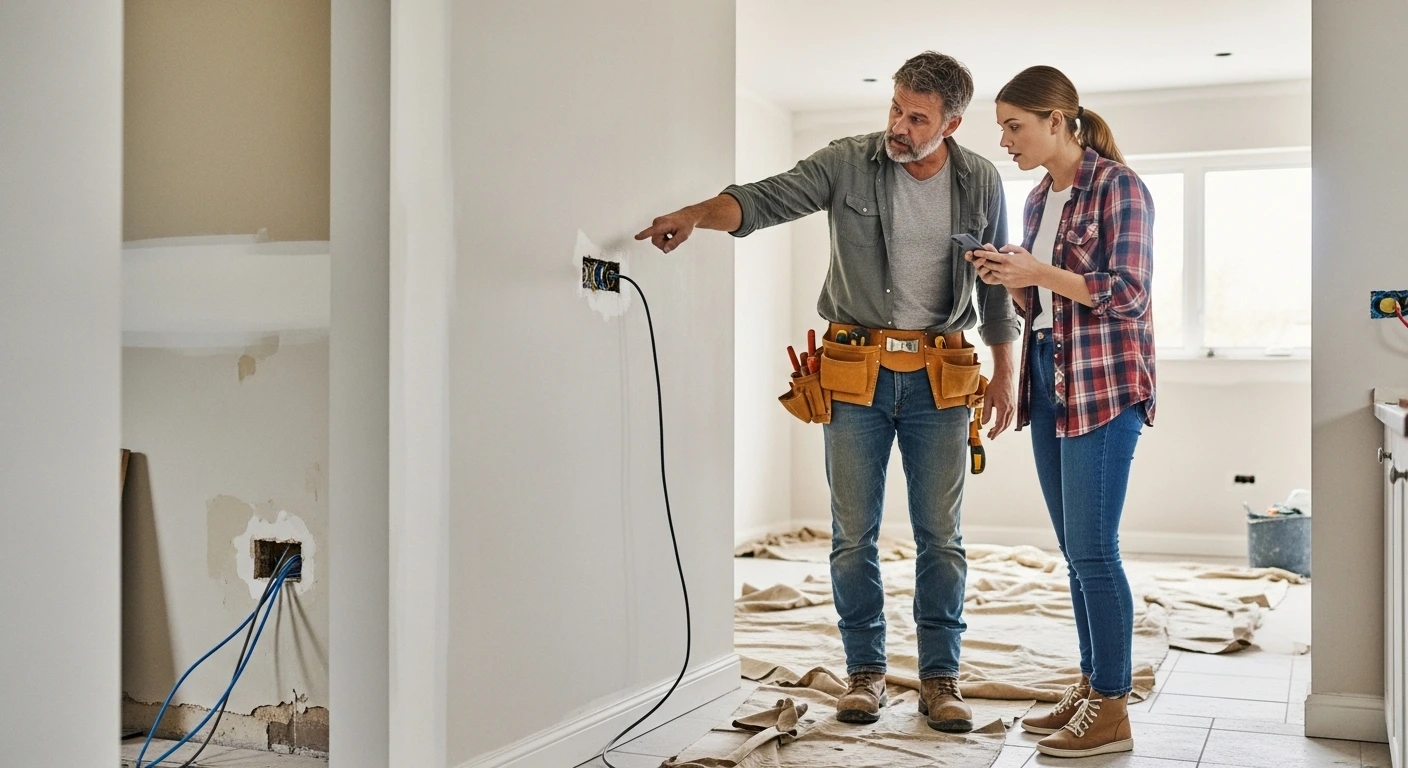
In renovation projects specifically, watch for uneven finishes, improper structural alignment, exposed connections, and fixtures installed before inspections are completed. That last one matters more than it sounds. An inspection is meant to happen before the work it covers is hidden, and a crew that installs the finish first is either unaware of the sequence or hoping nobody asks.
None of these are minor issues. They point to deeper problems behind walls and under floors, in exactly the places you will not be able to check once the room is finished.
Can a home improvement contractor pull permits?
Yes. A professional contractor should handle permitting for any work that requires it, and should treat it as part of the job rather than a favor.
If a contractor asks you to pull the permits yourself, or tells you the project does not need any, treat it as a serious red flag. A permit is what ties the work to a safety and code standard, and it is what brings an inspector to the site to check the parts of the job you cannot. A contractor who wants to skip that step usually has a reason.
You can read more about why permits matter in this renovation permit guide. The Federal Trade Commission also warns that avoiding permits is a common tactic in home improvement scams, which is worth remembering the next time someone tells you the paperwork is only a formality.
My rule in the office is that the permit, the inspection sign-offs and the schedule sit in the same folder, and the homeowner can open it whenever they like. If a contractor cannot show you those without a story attached, you already have your answer.
Not sure which of these applies to your house? A short conversation settles it faster than any calculator.
How do you tell if a contractor is ripping you off?
The answer lies in transparency and consistency rather than in any single line on an invoice. A crew doing honest work can explain it. A crew that cannot, or will not, is telling you something.
Vague invoices
You cannot tell what was bought, what was installed, or what you are paying for, which makes overcharging impossible to spot.
Refusal to explain materials used
If the contractor will not name what went into the wall, you have no way to confirm it matches what you approved.
Frequent change orders without justification
Each one raises the price and shifts the schedule, and without a written reason there is nothing to hold anyone to.
Pressure to approve work quickly
Rushed sign-offs close the window in which a problem is still cheap to fix.
No testing documentation on major systems
When major systems are involved, a missing test record is a major concern, because there is no proof the system was ever checked.
Professional contractors do the opposite. They explain each phase before it starts, confirm inspections as they pass, and stand behind their workmanship when questions come up afterward. That is the baseline for home remodeling in Plano or anywhere else, and anything less should make you slow down.
What to do when a contractor messed up
If you discover mistakes mid-project, acting in the right order can prevent further damage, because each step protects the next one.
Document everything
Take photos and keep written notes on every issue you find, before anyone has a chance to cover it or talk it away.
Pause additional work
Stop the next phase until the issues are clarified. Work that keeps moving over an open question only buries it deeper.
Keep the walls open
Do not allow walls to be closed or finishes installed over structural or system work you have doubts about. Once it is hidden, every correction costs the finish as well as the fix.
Bring in a professional evaluation
An outside assessment mid-project usually saves money, because correcting an issue now is cheaper than correcting it after completion, when everything on top of it has to come out.
Nothing gets closed up over work you still have questions about. Not a wall, not a floor, not a tile.
Homeowners sometimes hesitate here because pausing feels confrontational. It is not. It is the normal response to an open question, and a contractor with nothing to hide will welcome the chance to answer it.

What to do when your contractor is taking too long
Some delays are genuinely unavoidable. Unexplained downtime is different: days with nobody on site and no reason given usually signal poor coordination or a resource problem.
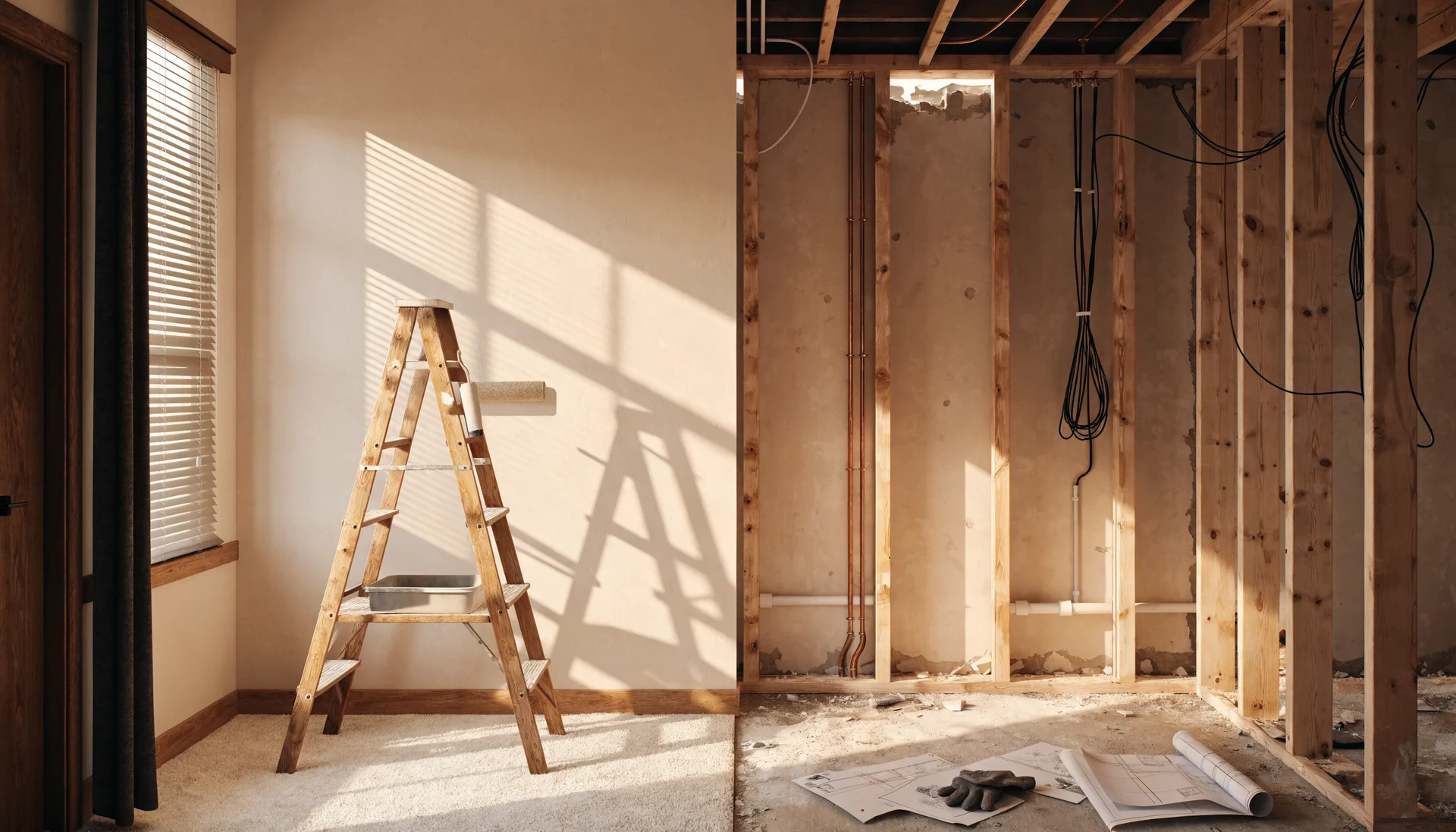
The cost of a delay is not only the calendar. Extended delays can compromise structural work when installations are left exposed or incomplete. Moisture gets in, debris contaminates open assemblies, and the temporary fixes a crew uses to get through the gap have a way of becoming permanent. Each of those creates a long-term risk that the final coat of paint will hide.
Knowing what a realistic schedule looks like is the best defense, because it lets you tell a normal pause from an abnormal one. This renovation timeline lays out what a realistic schedule looks like, and it is a fair reference to hold a slow contractor against.
Why DIY fixes make contractor problems worse
When a homeowner tries a DIY fix to make up for a contractor’s shortcut, the problem tends to escalate quickly. Structural adjustments made without the right tools or experience often violate code, and they can void the warranties that would otherwise have covered the original work.
Research from UHES shows that unqualified repairs increase long-term maintenance costs and reduce resale value. In other words, the fix becomes a second defect on top of the first, and a future buyer’s inspector will find both.
A DIY solution should never replace a professional assessment when the workmanship is already compromised. The right move is to document the shortcut, stop the work, and have someone qualified look at it before anything else is touched. Patching over a bad job does not make it a good one; it makes it a hidden one.
Tell us what you are planning. We will walk your house, tell you what is actually possible, and put a real number on it before you commit to anything.
Or read the numbers first: home remodeling in Plano, TX.
When professional remodeling services become critical
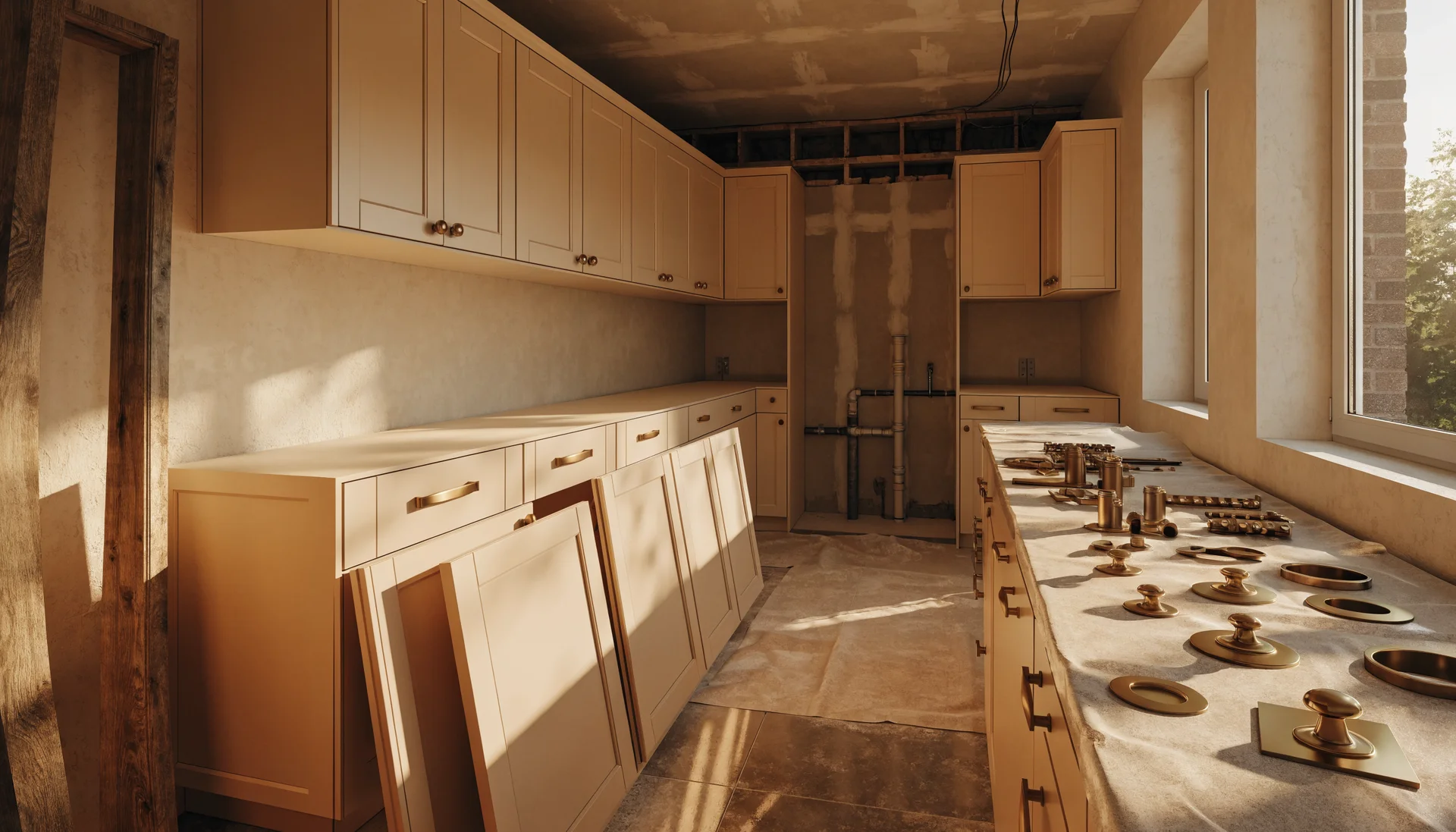
If the renovation involves a bathroom, a kitchen, or a whole-home remodel, professional services are not optional. Structural integrity, layout precision, and proper system installation have to be done correctly the first time, because in those rooms the mistakes are sealed behind tile and cabinetry within days.
Kitchen and bathroom projects are especially vulnerable to contractor shortcuts, since almost everything that matters in them is hidden when the room is done. That is why homeowners often reference resources like this bathroom cost guide when weighing whether to repair a botched bathroom or redo it properly.
At UHS Remodeling we frequently coordinate with trusted professionals to correct issues caused by a contractor cutting corners. If you would rather never need that service, the standard this article describes is the one to put to any home remodeling contractor in Plano before the first wall opens: who pulls the permits, when the inspections happen, and how each phase will be explained before it starts.
Catching corner-cutting before it costs you
Signs your contractor is cutting corners during renovation should never be ignored. What looks like a minor shortcut today can become a major repair tomorrow, especially when structural systems are involved. Homeowners who act early, ask for a professional evaluation, and insist on code-compliant work protect their homes, their finances, and their long-term value.
If you suspect shortcuts, or you want a second opinion on renovation work already underway, a professional consultation is the most reliable next step. UHS Remodeling is based in Plano with dedicated crews across Plano, Frisco, Allen, Dallas, Highland Park, Prosper and 9 more DFW cities. For what a properly built project should cost before you sign anything, see the 2026 DFW Home Renovation cost guide.
Questions we get
What are the early signs a contractor is cutting corners?
Early signs include rushed work, inconsistent finishes, missed inspections, and materials substituted without approval. Homeowners may also notice vague explanations or pressure to approve unfinished stages. These warning signals often indicate deeper structural or system issues that can lead to long-term damage.
Why do contractors cut corners during renovations?
Contractors often cut corners due to underbidding, tight deadlines, poor planning, or attempts to increase profit margins. When budgets shrink or schedules fall behind, proper processes may be skipped. These shortcuts usually compromise workmanship quality and create hidden problems that surface later.
Should your contractor handle permits?
Yes, reputable contractors should manage permits for projects that require them. Permits ensure the renovation meets safety codes and local regulations. If a contractor avoids permits or asks the homeowner to pull them unnecessarily, it can signal non-compliant or substandard work practices.
What should I do if I discover mistakes mid-project?
If you notice issues, document everything with photos and written notes. Pause further work until concerns are addressed. Avoid allowing walls or finishes to be completed over questionable construction. Bringing in a professional evaluation early can prevent more expensive corrections later.
Is it safe to fix contractor mistakes myself?
DIY corrections can worsen existing problems, especially in structural renovations. Improper adjustments may violate code, void warranties, or cause long-term damage. Professional evaluation ensures repairs meet standards and protects your home’s safety, resale value, and long-term durability.
What should I do when my contractor is taking too long?
Some delays are unavoidable, but unexplained downtime usually points to poor coordination or a resource problem. Ask what is holding the work up and compare the answer against a realistic renovation timeline. Do not accept installations left exposed or incomplete for long stretches, because moisture, debris and temporary fixes create long-term risks.
How do you tell if a contractor is ripping you off?
Look at transparency and consistency. Vague invoices, a refusal to explain the materials used, frequent change orders without justification, and pressure to approve work quickly are the common warning signs. When major systems are involved, missing testing documentation is a serious concern. A professional contractor explains each phase, confirms inspections, and stands behind the workmanship.
A shortcut you cannot see today is a repair you will pay for later. Insist on permits pulled by the contractor, inspections confirmed before anything is covered, and clear answers on materials and change orders. If those are missing, pause the work, document it, and get a professional opinion before another tile goes on.
Related from the journal



Get a second opinion before the walls close on any renovation in Plano and across DFW.
Fully insured · 500+ client reviews · fixed-price contracts · 1-year workmanship warranty.
Prefer to talk? (469) 850-7087 · or use the contact page.