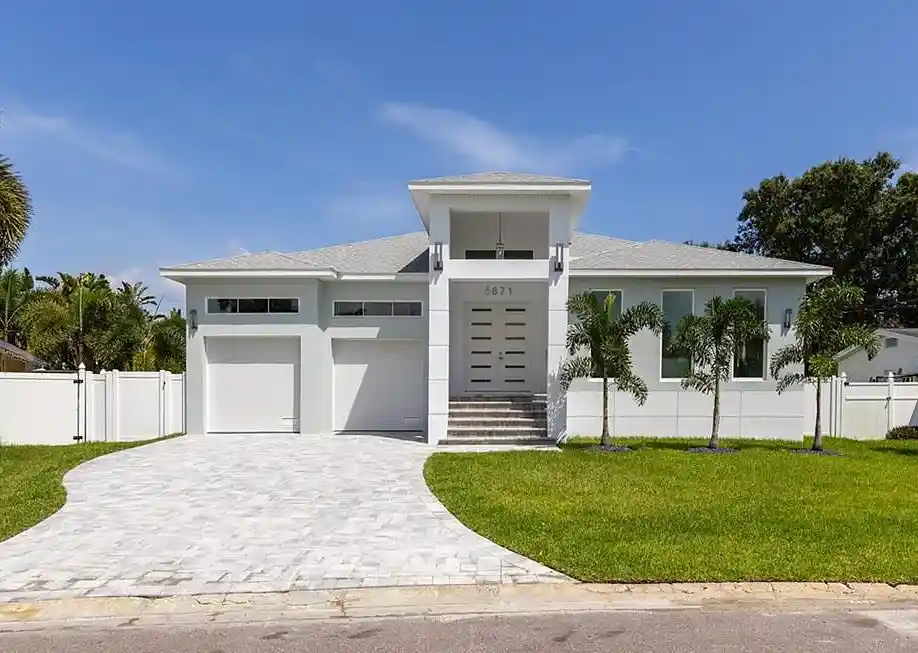

Building a house in Florida is an exciting venture, but it comes with unique considerations. From intense heat and humidity to hurricanes and strict regulations, careful planning is essential to ensure your home is durable, comfortable, and compliant.
This guide walks you through the most important tips for building your dream home in the Sunshine State covering climate, location, design, budgeting, regulations, and long-term planning.
Understanding Florida’s Unique Climate and Its Impact on Home Building
Florida’s climate plays a major role in how homes should be designed and built. High humidity can lead to mold growth and material deterioration, while hurricanes demand strong structural resilience.
Homes should be built using moisture-resistant materials, proper ventilation systems, and reinforced structural components. The Florida Division of Emergency Management provides guidance on storm preparedness that directly influences residential construction.
- Weather-resistant and moisture-resistant materials
- Impact-rated windows and doors
- Reinforced roofing systems
- Proper insulation and airflow
Navigating Florida Real Estate: Choosing the Right Location
Location is one of the most critical decisions when building in Florida. Coastal areas offer lifestyle appeal but come with higher insurance costs and flood risks. Inland areas may be more affordable but still require careful evaluation.
Before purchasing land, review flood zone data using the FEMA Flood Map Service Center and research local property trends.
- Proximity to schools, work, and amenities
- Flood risk and elevation requirements
- Future development plans
- Utility availability and access
If you’re upgrading or improving an existing property instead of building new, professional home remodeling services may be a practical alternative.
Florida House Plans: Designing for Resilience and Comfort
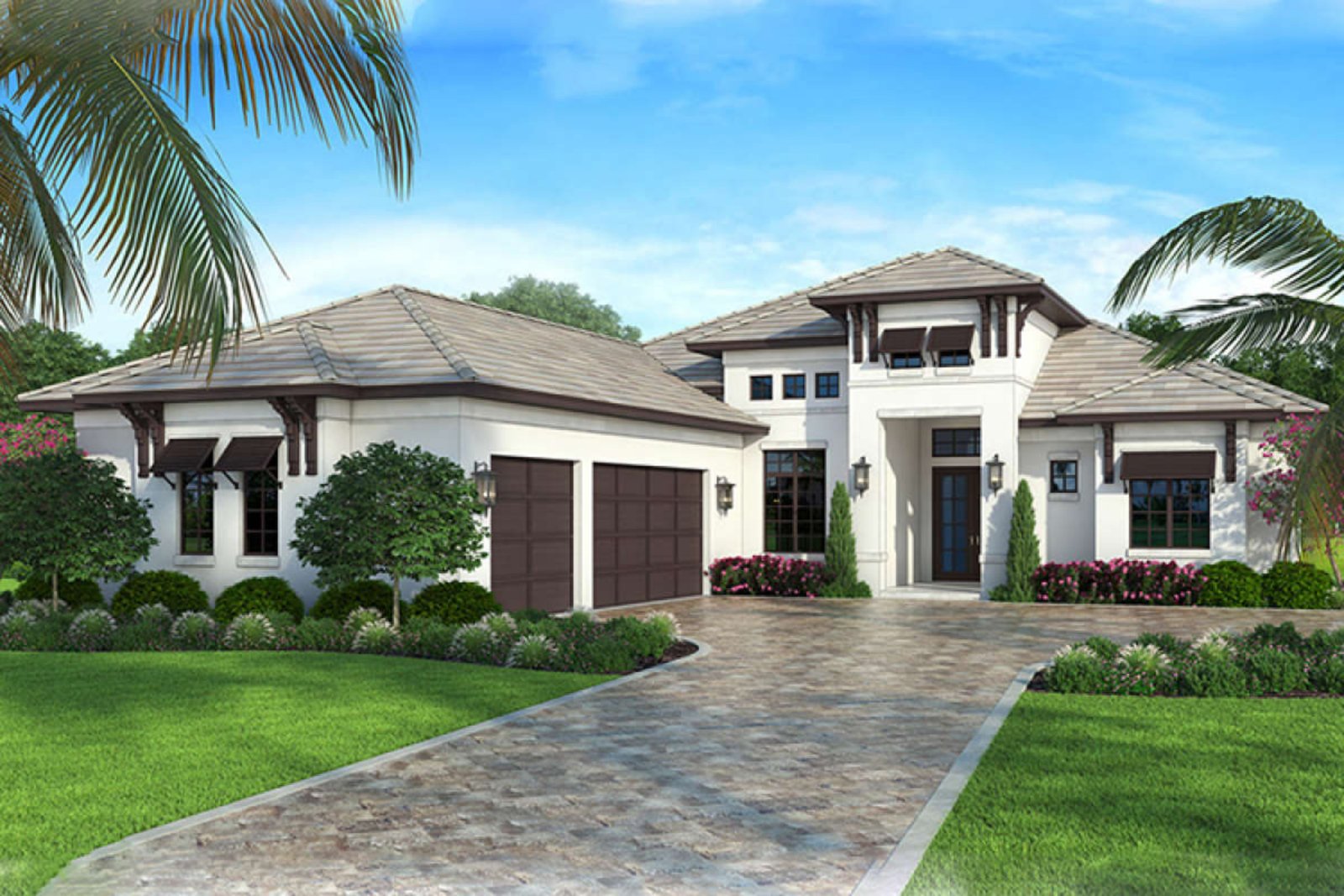
Florida home designs should balance comfort with resilience. Elevated foundations are common in flood-prone areas, while open floor plans and shaded outdoor spaces enhance airflow and comfort.
- Elevated or reinforced foundations
- Impact-resistant windows and shutters
- Energy-efficient layouts
- Durable exterior finishes
For homeowners debating between updating or rebuilding, understanding renovation vs. remodel options can clarify the best path forward.
Budgeting and Costs: What to Expect When Building in Florida
Construction costs in Florida vary widely depending on location, materials, and design complexity. Coastal builds often require additional structural reinforcements and insurance considerations.
- Land acquisition costs
- Labor and material pricing
- Permit and inspection fees
- Long-term maintenance expenses
Smart budgeting ensures your home not only meets current needs but also helps increase home value with renovation or future upgrades.
Permits, Codes, and Regulations: Staying Compliant in Florida
Florida enforces one of the strictest building codes in the country to protect homes from storms and environmental hazards. All construction must comply with the Florida Building Code.
Before construction begins, ensure all permits are secured and inspections scheduled. Licensing and contractor compliance can be verified through Florida DBPR licensing.
- Building permits and zoning approvals
- Structural, electrical, and plumbing inspections
- Floodplain and wind-load compliance
If you’re unfamiliar with the process, reviewing home renovation permits can provide helpful insight into regulatory requirements.
Selecting the Right Builder and Team
Working with an experienced Florida builder is essential. Look for professionals who understand hurricane codes, moisture control, and local permitting processes.
- Proven Florida construction experience
- Strong references and reviews
- Clear communication and transparency
If you’re still searching, guides on how to find a home renovations contractor can help you choose the right partner.
Energy Efficiency and Sustainability in Florida Homes
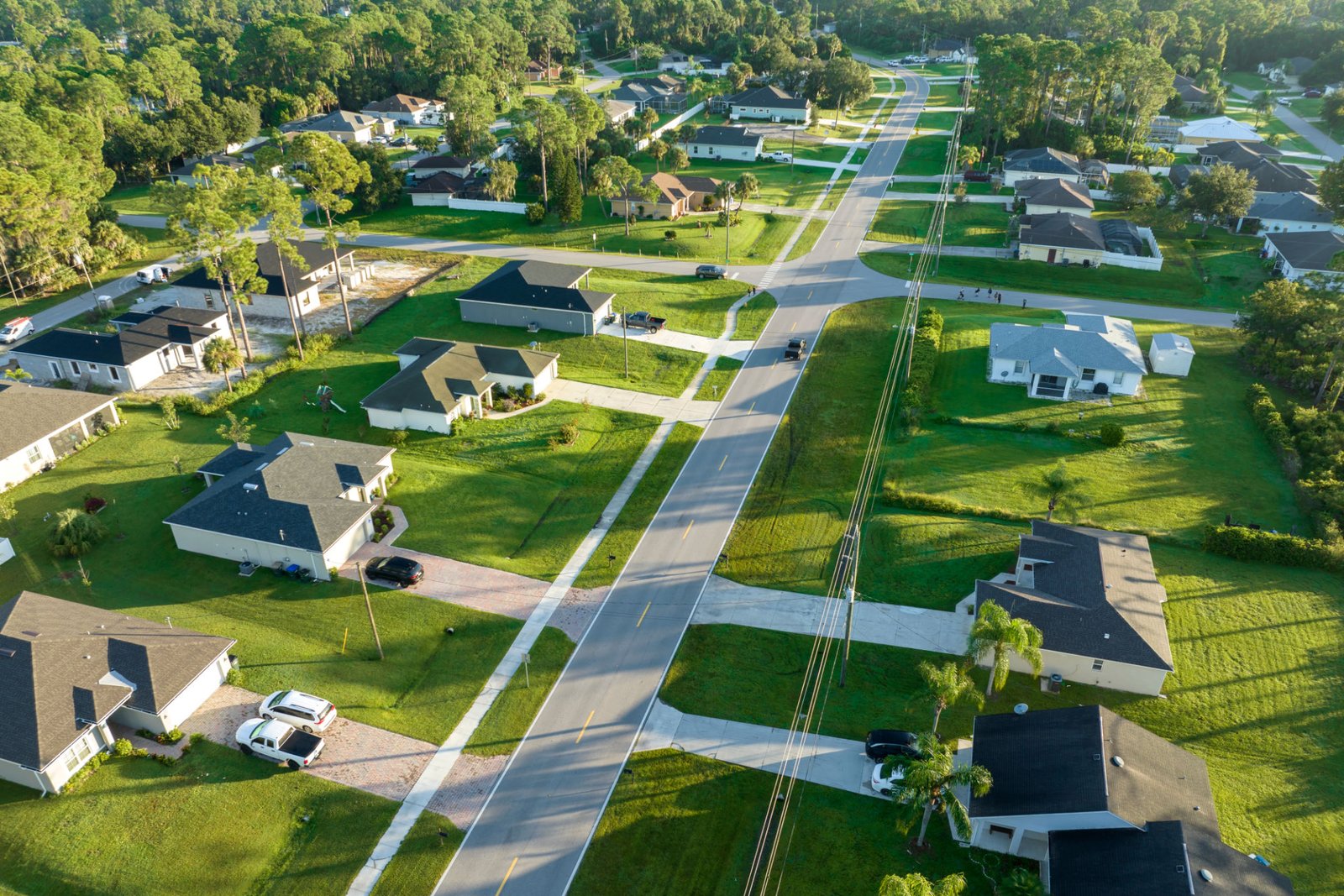
Energy efficiency is critical in Florida’s hot climate. Sustainable design reduces cooling costs and improves comfort year-round.
- Solar panels and reflective roofing
- High-efficiency HVAC systems
- Energy-efficient appliances
- Water-saving fixtures
Insurance, Warranties, and Long-Term Maintenance
Florida homeowners should prioritize comprehensive insurance coverage, including windstorm and flood policies. Builder warranties also provide peace of mind during early ownership.
- Hurricane and flood insurance
- Structural and system warranties
- Routine maintenance plans
FAQs Building a House in Florida
Can I build my own house in Florida?
Yes Florida allows owner-builders in many areas, but you still must follow local permitting, inspections, and code requirements, and you can’t typically “act as a contractor for hire” for others without licensing.
What permits do I need to build a house in Florida?
At minimum, you’ll usually need a building permit plus trade permits (electrical, plumbing, mechanical/HVAC) and may need zoning, septic/well, tree removal, and driveway/right‑of‑way approvals depending on the county/city.
How much does it cost to build a house in Florida?
Costs vary widely by region (coastal vs inland), home size, finishes, and storm/flood requirements; your budget should include land, design/engineering, permits, utilities, impact fees (where applicable), construction, contingencies, and insurance.
What Florida Building Code items matter most for hurricanes?
Wind-rated roof assemblies, proper roof-to-wall connections (straps/clips), impact-rated openings (windows/doors or shutters), and garage door ratings are major factors, especially in high-velocity hurricane zones.
How do flood zones affect building a home in Florida?
Flood zones can drive elevation requirements, foundation design, and flood insurance costs; choosing the right lot and designing to meet floodplain rules can significantly reduce risk and long-term expenses.
What’s the best home design approach for Florida’s heat and humidity?
Prioritize a tight building envelope, strong ventilation/dehumidification strategy, moisture-resistant materials, and high-efficiency windows/insulation to reduce cooling costs and prevent mold-related issues.
Final Tips and Common Mistakes to Avoid
Many challenges in Florida home building can be avoided with preparation and expert guidance.
- Underestimating weather impacts
- Skipping permits or inspections
- Ignoring energy efficiency
- Overlooking resale value
Whether you’re building new or upgrading an existing home, working with professionals who understand the region makes all the difference.
Ready to Get Started?
If you’re planning a build or renovation in Florida, our team can help. We proudly serve multiple regions view the areas we serve or contact our team today to discuss your project and take the next step with confidence.