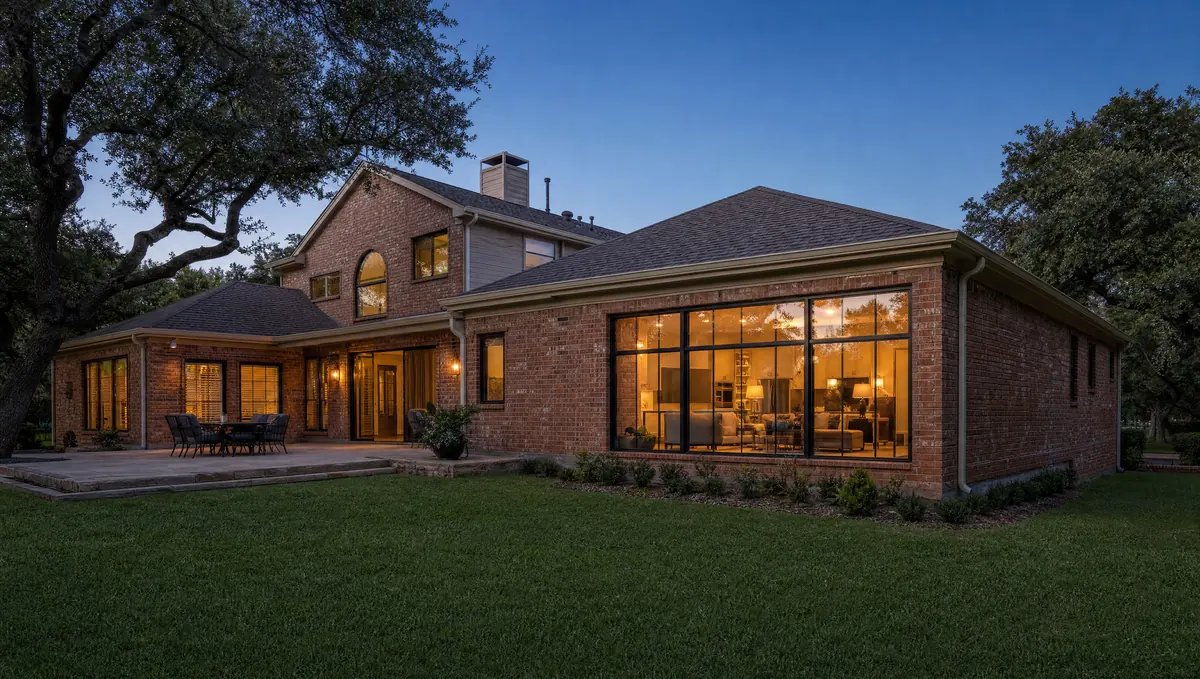
A fixed-price addition project from our Plano-based DFW team serving Farmers Branch homeowners, with designers, project leads, and tradespeople who finish on the day they said they would. Since 2014, one promise: your quote is your price.
A home addition in Farmers Branch typically runs $120,000 to $400,000, depending on square footage, whether you build out on the slab or add a second story, and how much of the existing 1950s-60s structure has to be opened up and reframed. Permits for the work are issued by the City of Farmers Branch Building Inspection Division (under the city’s Community Services Department), with applications submitted through the city’s online Citizen Self Service portal. A major city-specific cost driver here is the age and construction of the original house: most Farmers Branch homes are 60-70+ years old, so tying a new addition into existing mid-century framing, foundation, and dated electrical and plumbing often requires structural reinforcement and system upgrades that newer suburbs don’t. Built-out lots and mature trees can also limit where you can expand. UHS works on a fixed-price model with a 1-year workmanship warranty, so the figure you approve is the figure you pay. For a line-item look at where the money goes, see our DFW remodel cost guide.
We handle survey, setbacks, engineering, HOA and permits before demolition. If your lot cannot take the footprint, you will hear it at the first walkthrough.
Fixed scope and a written schedule before anyone breaks ground in your yard.
Farmers Branch sits in northwestern Dallas County, about 12 miles north of downtown, and most of its single-family homes were built during the 1950s-60s GI Bill boom. That means the typical Farmers Branch house is a 60-70+ year-old mid-century ranch or a true Mid-Century Modern home: long, low, horizontal forms on flat lots, with smaller closed-off rooms and tight footprints that simply weren’t designed for how families live today. A home addition is often the smartest answer here. Rather than leaving a beloved Brookhaven, Branch Crossing, or Valwood Park neighborhood, homeowners expand outward or upward to gain a primary suite, a larger kitchen-and-family great room, a home office, or a second story. UHS Remodeling has remodeled homes across DFW since 2014, building additions that respect a mid-century home’s lines while doubling its livable space.
We build home additions across Farmers Branch.
Site walk, scope (bedroom, master wing, second story), zoning + setback review, budget alignment.
Architectural drawings, structural engineer review, exterior match planning, MEP routing.
City of Farmers Branch plan review, HOA architectural committee, energy code compliance. Average 3-5 weeks.
Foundation, framing, roof tie-in, MEP rough-in, insulation, drywall, finish-out. 12-22 weeks per scope.
Final inspection, punch list, certificate of occupancy filing, 1-year warranty active.
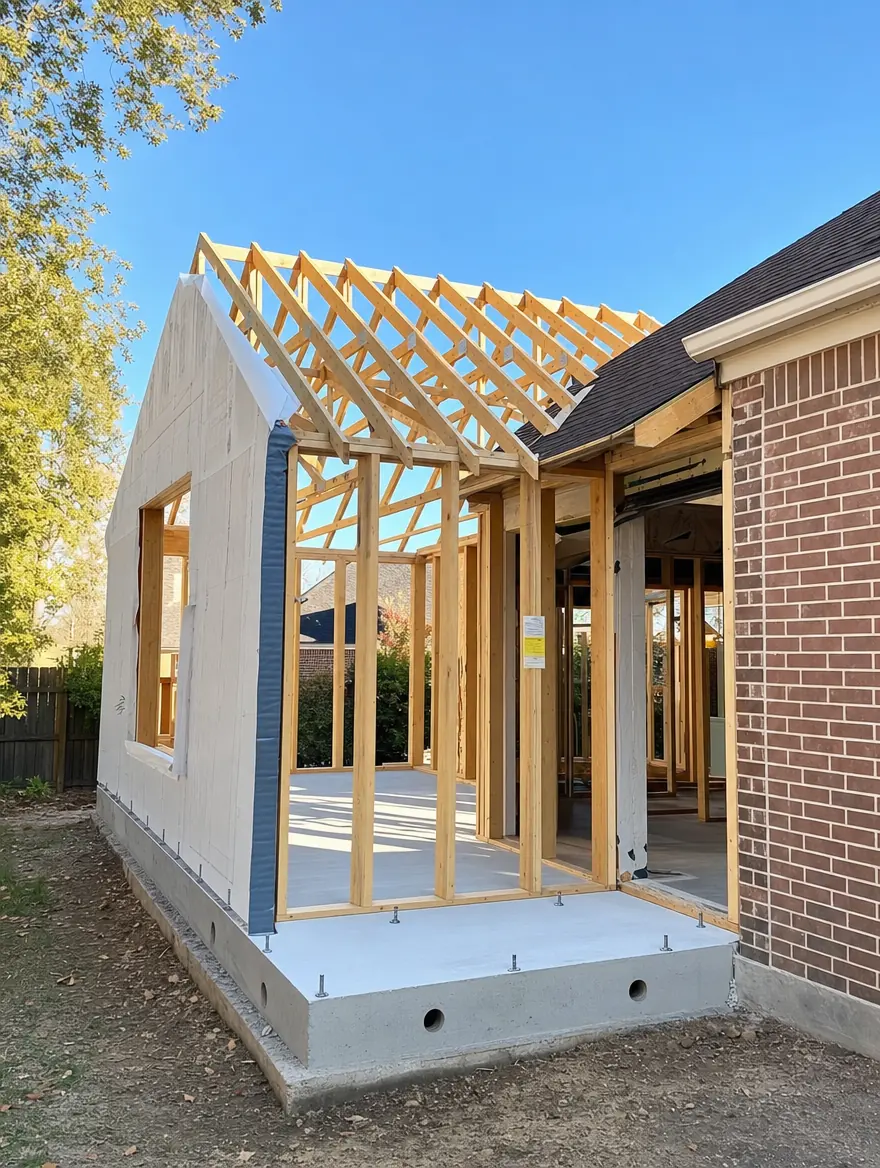
New slab and framing tied into the existing structure.
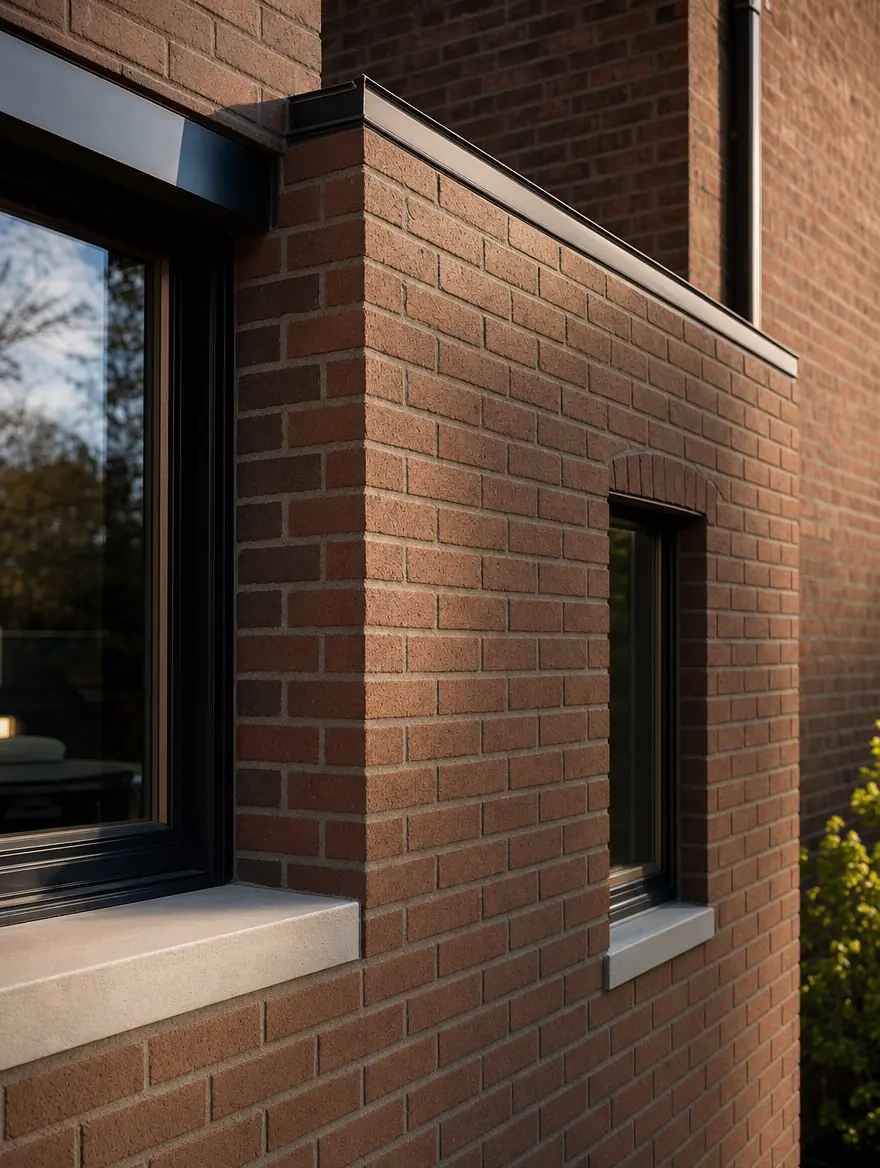
Matched brick and tinted mortar at the old-to-new seam.
Design and structural engineering run first, and city plan review plus the HOA architectural committee average three to five weeks before anyone breaks ground.

“An addition in Farmers Branch is half permits, half craft. We pre-meet with the city’s plan review before drawings are stamped. That’s why our additions break ground 6 weeks after contract, not 14.”
From our Plano home addition case study: engineering, permits and the brick match. View all →
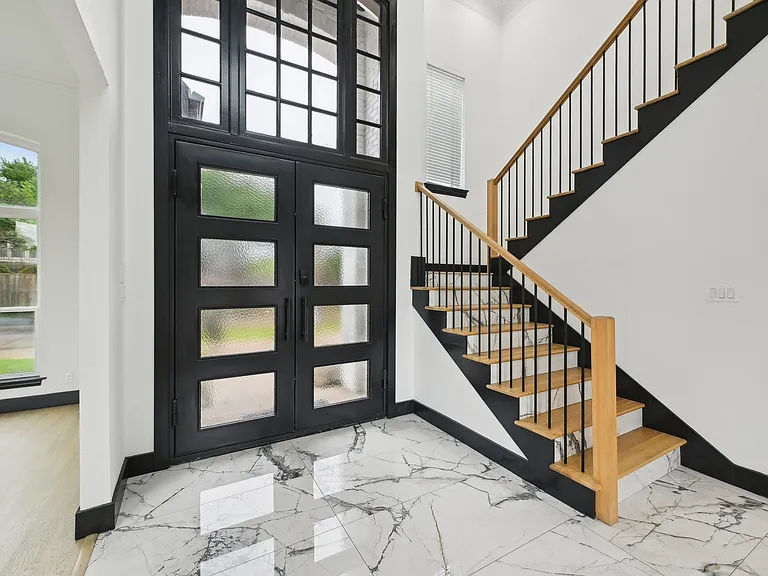
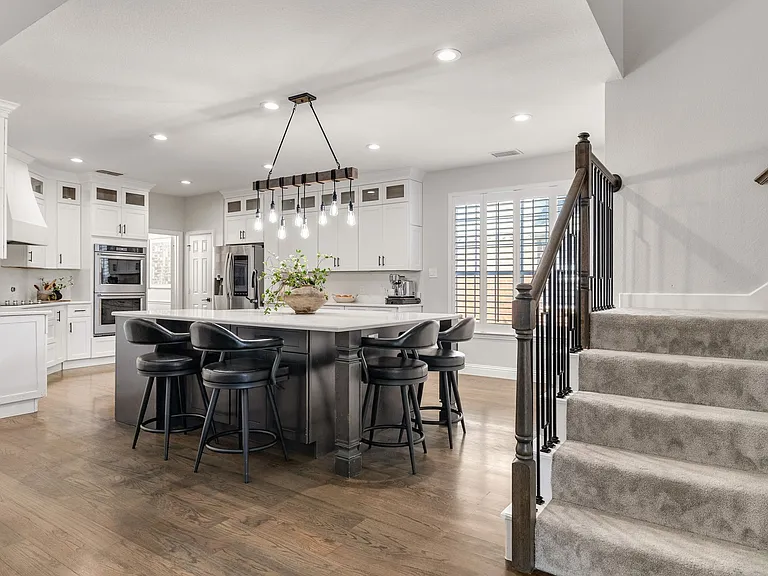
Which one is right depends on your lot line, your slab and your roof, not on a catalog.
Renderings from our design studies; the finished Farmers Branch projects are above.
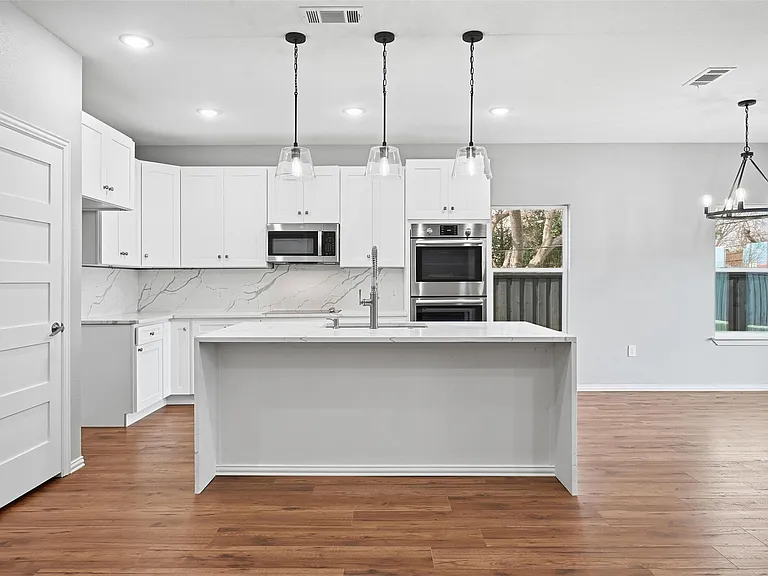
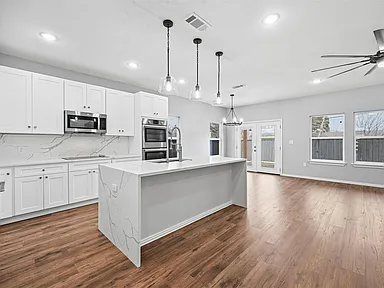
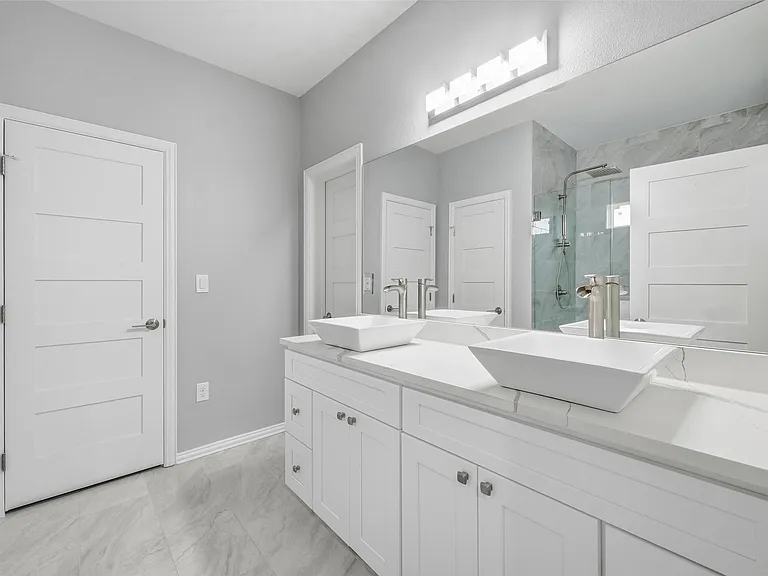
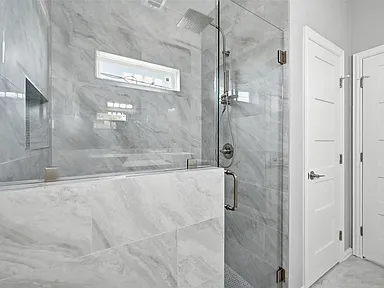
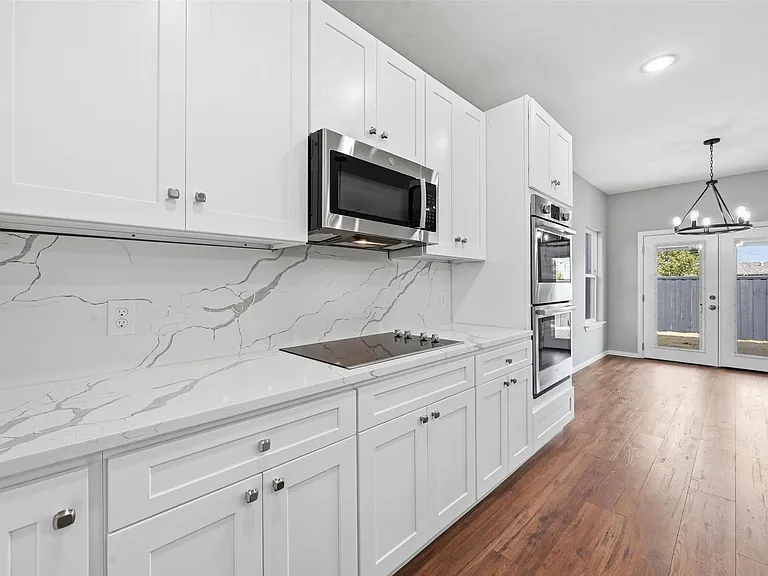
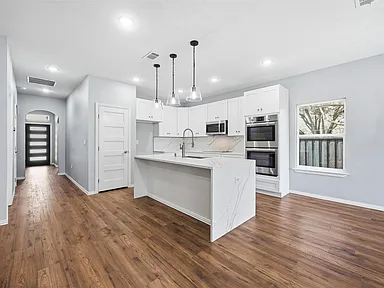
Ranges include foundation, framing, roof, systems and finishes (everything but landscaping).
All ranges include architectural drawings, engineering, materials, labor, permits, foundation, framing, MEP, finishes, and 1-year warranty. Sourced against NARI Cost vs. Value 2025 and your city building code requirements.
Single-room addition (250-450 sqft): bedroom, office, sunroom. Exterior match, standard finishes, full MEP.
Master wing or large family room (450-800 sqft): primary suite + bath, formal dining add-on, or great room expansion.
Second story or full custom (800+ sqft): structural foundation work, full second floor, matched exterior, custom millwork.
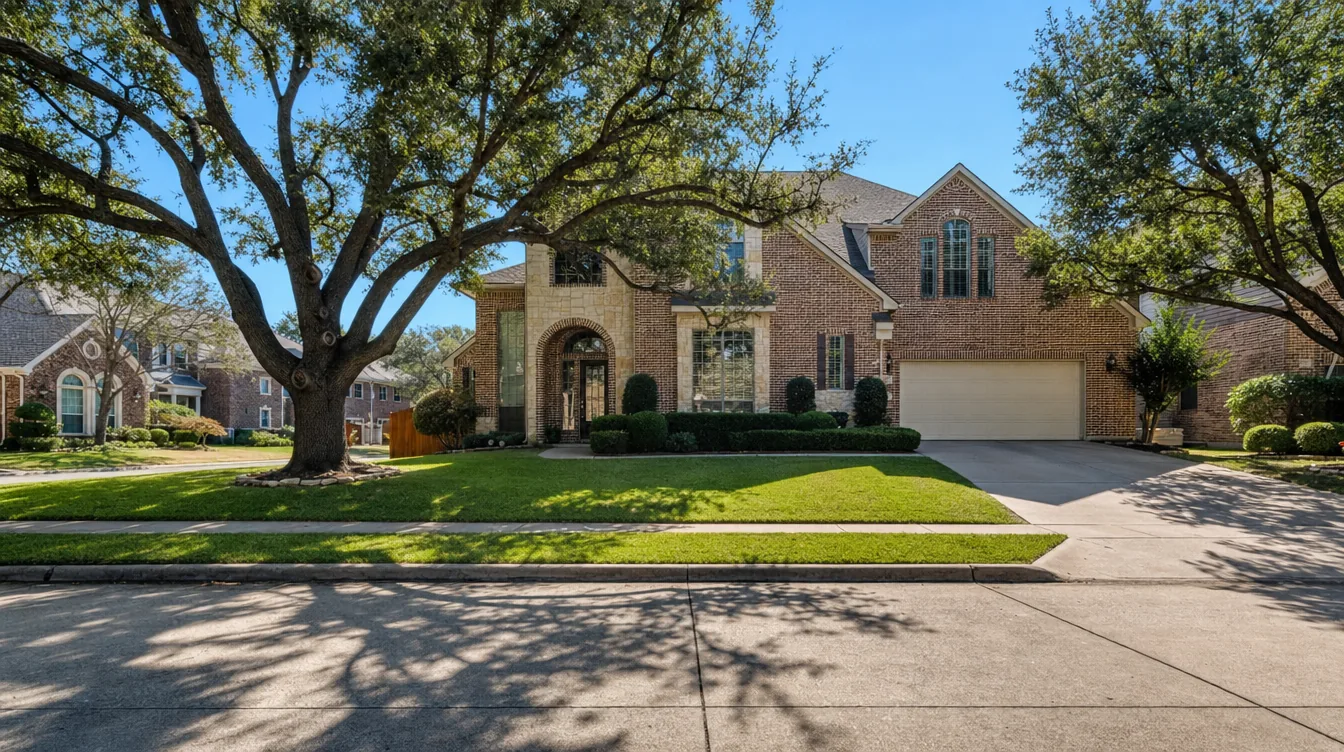
Additions live or die on setbacks, easements and lot coverage, and every DFW city writes those rules differently. We have permitted additions across Farmers Branch and the neighboring cities, which means we can tell you in one visit whether the footprint you want is legal on your lot.
We build home additions across the northern DFW suburbs. See our home addition in Frisco, Allen, and McKinney.
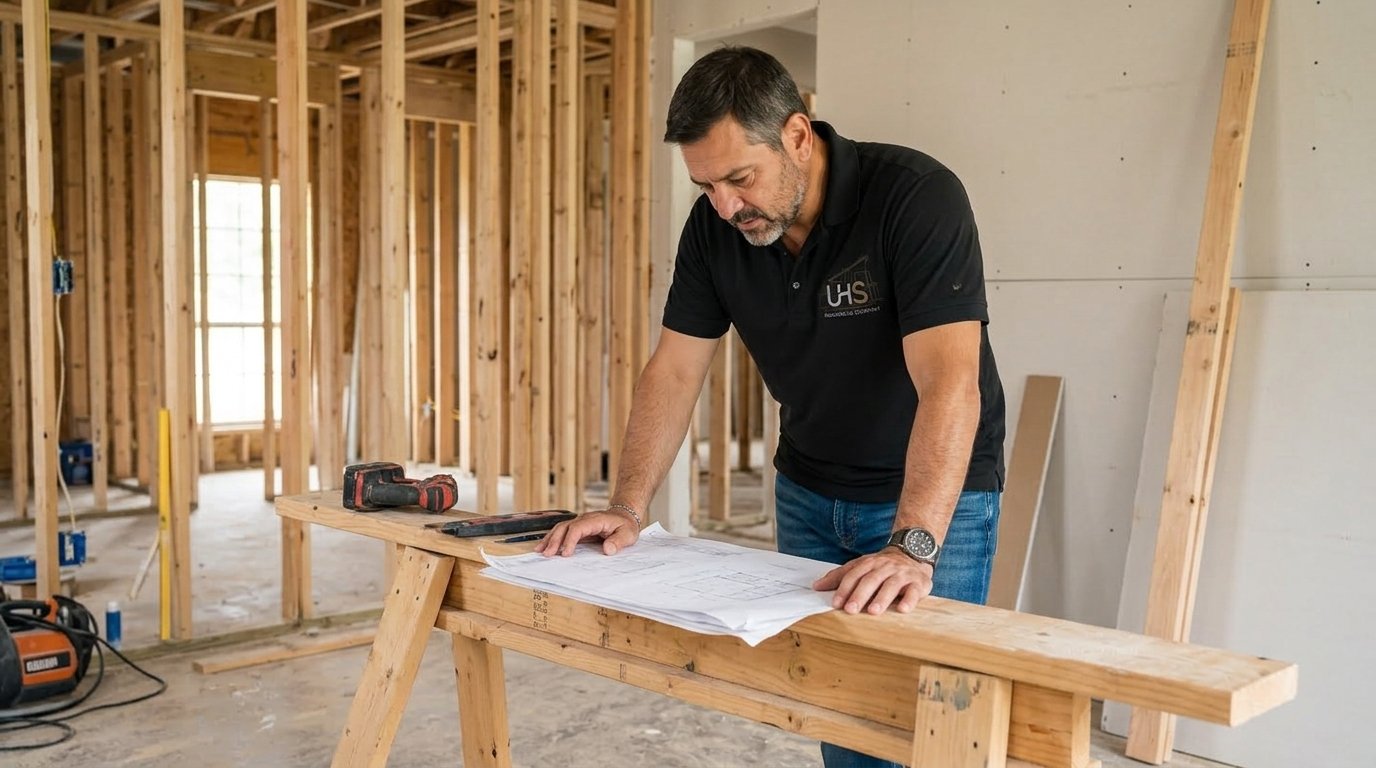
Daniel B. on a DFW job site.
Your construction lead, Daniel B., runs your addition from framing to final inspection.
Sourced from NARI Cost vs. Value 2025, Texas Real Estate Commission, International Code Council, and the same calls we have fielded in Farmers Branch since 2014. Looking for ballpark numbers? Try our cost calculator.
Most home additions in Farmers Branch fall between $120,000 and $400,000. The range depends on the size of the addition, whether it’s a ground-floor build-out or a second story, and how much of the original 1950s-60s home must be reframed and have its electrical, plumbing, and HVAC tied in. UHS gives you a fixed price up front so the number doesn’t move during construction.
Yes. Additions are permitted through the City of Farmers Branch Building Inspection Division, part of the city’s Community Services Department, with applications filed through the city’s online Citizen Self Service portal. Because an addition involves structural, plumbing, electrical, and mechanical work, it requires plan review and several inspections. UHS handles the permitting and inspection process for you.
Farmers Branch is a built-out post-WWII suburb where most homes are 60-70+ year-old mid-century ranch and Mid-Century Modern houses with smaller, closed-off floor plans. Rather than leave an established neighborhood like Brookhaven or Branch Crossing, homeowners add a primary suite, expand the kitchen and family room, or build a second story to gain the space a modern household needs while staying put.
A home addition in Farmers Branch typically ranges from $120,000 to $400,000, depending on size, foundation, and whether it is single- or multi-story.
Single-room additions take 9–16 weeks. Multi-room wing additions run 5–10 months. Second-story and estate-scale additions take 9–15 months.
Yes, subject to height, setback, and lot coverage limits. Not every foundation is adequate for a second-story load, so we run a structural feasibility check early.
Yes. Garage conversions are cost-effective because the foundation, walls, and roof exist. Requires a permit, new flooring, HVAC and electrical tie-in, and (if exterior changes) HOA approval.
We source matching brick, stone, siding, and roofing. Matching materials may add 3–6 weeks to procurement.
Yes. The City of Farmers Branch requires permits for any addition. Some newer neighborhoods also have HOA architectural review. UHS handles both.
Usually yes, especially for rear additions and garage conversions. For second-story additions, most homeowners relocate for 4–10 weeks during structural phases.
Yes. Every addition is engineered by a licensed Texas structural engineer. We handle full foundation scope and all structural framing.
Yes. Typically 70–90% of project cost returns on resale. Master suite and kitchen extensions can return close to 100%.
Call (469) 850-7087 or fill out the contact form. Free in-home consultation, feasibility assessment, preliminary ROM within 7–10 business days.
North Texas sits on highly expansive clay soil that swells during wet months and shrinks during summer droughts, which can shift foundations by several inches over seasonal cycles. That is why every room addition we build in Farmers Branch and Frisco starts with a foundation plan designed by a licensed structural engineer for the specific soil conditions of the lot. Typical solutions include steel-reinforced slab foundations and concrete piers that reach below the active soil zone, so the new addition moves with the original home instead of pulling away from it. Skipping this step is the most common cause of cracked brick, sticking doors, and separated rooflines in DFW additions.
Tell us what you need more of and we’ll walk the lot, check the setbacks, and give you an honest budget range before you commit to anything.