
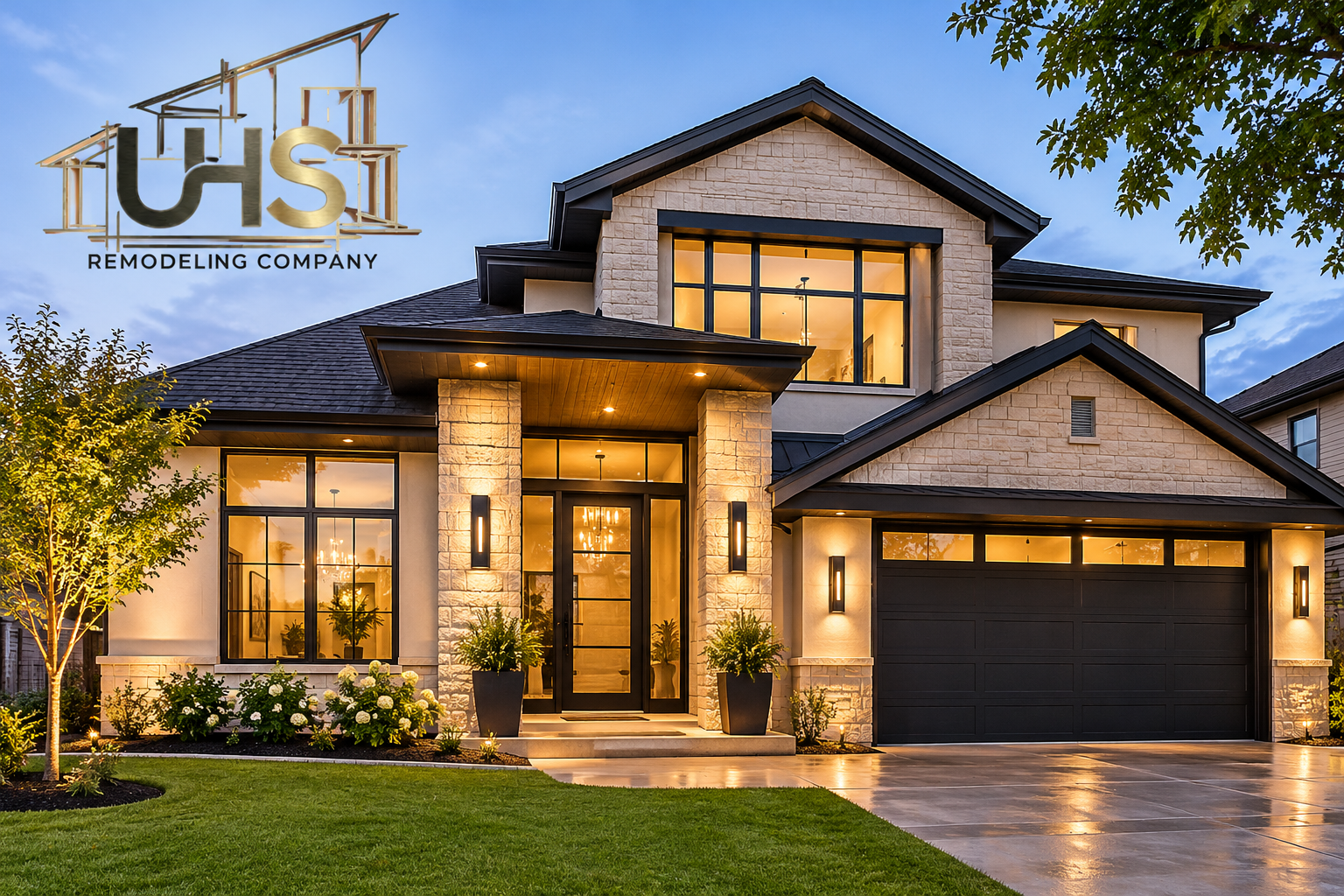
A home should support the way you live today, not reflect the needs of ten or twenty years ago. Old kitchens, cramped bathrooms, poor lighting, and worn finishes can make even a large property feel less comfortable. UHS Remodeling helps homeowners consider practical ways to update their living spaces with better layouts, quality materials, and modern features.
Luxury Home Remodeling in Plano is about more than expensive finishes. It combines thoughtful planning, reliable construction, and details that make everyday life easier. Whether you own a traditional property near Willow Bend or a family home in West Plano, the right improvements can change how each room looks and functions.
But where should you begin? Should you update one room or renovate the entire property? The answer depends on your goals, budget, and the current condition of your home. Understanding your options can help you make better decisions before construction begins.
Why Plano Homeowners Are Investing in High-End Home Renovations
Many homeowners reach a point when small repairs no longer solve their property’s problems. An outdated kitchen may lack storage, an older bathroom may have poor ventilation, and closed floor plans can make family spaces feel disconnected.
A well-planned renovation addresses these issues together. Instead of choosing upgrades based only on appearance, homeowners can improve room layouts, lighting, storage, comfort, and long-term usability.
Plano has a mix of traditional houses, larger suburban properties, and newer residential developments. Each property has different requirements. A home built several decades ago may need electrical updates or plumbing improvements before new finishes go in. A newer property may need cosmetic changes rather than major structural work.
What makes a renovation feel luxurious? Often, it is the way different features work together.
Consider these common improvements:
Open kitchen layouts with larger islands and better storage.
Custom cabinetry with practical internal organisers.
Walk-in showers with quality tile and modern fixtures.
Hardwood or premium porcelain flooring.
Layered lighting with recessed lights and decorative fixtures.
Improved windows, insulation, and climate control.
The National Association of Home Builders reported in February 2026 that 73% of surveyed remodelers rated bathroom remodeling as common or very common in their 2025 work. Kitchen and whole-house remodeling ranked among the most common projects too. This reflects the continued demand for improvements to frequently used living spaces.
Homeowners often have another reason to renovate: they want to stay in a familiar neighbourhood. Moving can involve higher housing costs, selling expenses, and the challenge of finding a suitable property. Updating an existing house may provide the space and comfort they need.
Modern Materials and Design Options for Luxury Properties
Material selection affects appearance, maintenance, durability, and project costs. A beautiful surface must work with the room’s daily use. A busy family kitchen, for example, needs different materials from a formal dining room.
The best approach is to select finishes that complement the property’s architecture and local conditions.
Kitchen upgrades and premium finishes
The kitchen often becomes the centre of family activity. Older layouts may have limited counter space, poor lighting, and cabinets that waste available storage.
A modern kitchen renovation can include a larger island, custom cabinets, quartz countertops, updated appliances, and improved task lighting.
Quartz is a popular option because it is non-porous and requires relatively little maintenance. Natural granite provides distinctive patterns, but it needs periodic sealing. Porcelain surfaces can provide another option for homeowners seeking resistance to heat and everyday wear.
Cabinet selection matters too. Solid wood, quality plywood construction, and durable finishes can support long-term use. Soft-close hinges and pull-out storage make cabinets easier to use.
Bathroom upgrades and spa-style features
Bathrooms need materials that handle moisture and regular cleaning. Porcelain tile works well on floors and shower walls because of its durability and low water absorption.
Other common upgrades include frameless glass shower enclosures, floating vanities, improved ventilation, and modern shower systems.
Would a freestanding bathtub suit your bathroom? It may work in a larger primary suite, but a spacious walk-in shower could provide better everyday value in a smaller room.
Flooring, lighting, and living spaces
Flooring creates a visual connection between rooms. Engineered hardwood provides a natural appearance and can offer greater dimensional stability than some solid wood products. Porcelain tile works well in areas exposed to moisture.
Lighting deserves equal attention. A combination of ambient, task, and accent lighting can make rooms more comfortable and useful. Recessed fixtures provide general illumination, pendant lights can define kitchen islands, and wall lights can improve bathroom lighting.
Exterior improvements and energy performance
Plano homeowners should consider the North Texas climate when selecting exterior materials. Strong summer sunlight, heat, occasional freezing temperatures, and seasonal storms can affect building components.
Fiber-cement siding, quality roofing materials, insulated windows, and suitable exterior coatings can support better long-term performance. The right choice depends on the home’s existing construction and exposure.
| Material or feature | Typical cost level | Main benefit | Maintenance |
|---|---|---|---|
| Quartz countertops | Medium-high | Low daily maintenance | Low |
| Natural granite | High | Unique natural patterns | Medium |
| Porcelain tile | Medium-high | Moisture resistance | Low |
| Engineered hardwood | Medium-high | Natural wood appearance | Medium |
| Custom wood cabinetry | High | Flexible storage and design | Medium |
| Fiber-cement siding | Medium-high | Exterior durability | Low-medium |
These are relative cost levels, not fixed installation prices. Product grade, labour, preparation, and project size can change the final amount.
The Home Remodeling Process From Planning to Completion
A successful renovation starts before the first wall is opened. Clear planning helps prevent avoidable changes, delays, and unexpected expenses.
Here is how a typical full-service project can progress.
1. Initial property assessment
The first step is to review the home’s current condition and understand the homeowner’s priorities.
A contractor may inspect flooring, walls, ceilings, plumbing, electrical systems, ventilation, and structural elements. This helps identify visible problems and areas that need further investigation.
For example, an older kitchen may look ready for new cabinets, but outdated wiring could require attention before installation.
2. Design and project planning
Once the scope becomes clear, the design stage begins. This includes room measurements, layout decisions, finish selection, and project specifications.
Homeowners should discuss storage, lighting, appliance placement, accessibility, and daily routines. These details help create a practical design rather than one based only on appearance.
3. Budget preparation and permits
The contractor prepares a detailed estimate covering materials, labour, preparation, waste removal, and other project expenses.
Required permits should be identified before work begins. In Plano, residential additions and alterations fall under the city’s residential permit process. Electrical, plumbing, structural, and other work may require permits or inspections depending on the scope.
The city lists its adopted 2024 building codes as effective August 1, 2024. Homeowners should confirm the applicable requirements with Plano Building Inspections before construction.
4. Construction and installation
After approvals and material arrangements, construction can begin. Depending on the project, this stage may involve demolition, framing, plumbing, electrical work, insulation, drywall, flooring, cabinetry, and fixture installation.
Work should follow an agreed schedule. Regular communication helps homeowners understand progress and deal with any unexpected conditions.
5. Final inspection and walkthrough
The final stage includes checking completed work, testing fixtures, reviewing finishes, and addressing outstanding items.
Homeowners should receive relevant product information, warranties, and documentation for completed work. Any required municipal inspections must be completed according to the approved project requirements.
A clear handover gives you a better understanding of how to maintain the renovated spaces.
Understanding Luxury Remodeling Costs in Plano
Budget planning is one of the biggest parts of a major home improvement project. Two kitchens with similar dimensions can have very different prices because of cabinet quality, appliance selection, structural changes, and installation requirements.
For planning purposes, the following are broad illustrative budget ranges in the Plano market, not verified contractor quotations or published local averages.
| Project type | Illustrative budget range | Main cost drivers |
|---|---|---|
| Kitchen renovation | $50,000–$120,000+ | Cabinets, counters, appliances |
| Bathroom renovation | $25,000–$75,000+ | Tile, fixtures, plumbing |
| Living room renovation | $20,000–$60,000+ | Flooring, lighting, layout |
| Primary suite renovation | $40,000–$100,000+ | Bathroom, flooring, storage |
| Whole-house renovation | $150,000–$400,000+ | Size, systems, materials |
These ranges are starting points for budget discussions. A structural redesign, premium imported finishes, or extensive mechanical work can push costs much higher.
What affects the final price?
Several details have a direct effect on your renovation budget.
Property size: Larger spaces need more labour and materials.
Material quality: Natural stone, custom cabinetry, and premium fixtures increase expenses.
Structural changes: Removing walls or changing room layouts may require engineering and additional work.
Plumbing and electrical: Moving fixtures or replacing outdated systems adds labour and material costs.
Permits and inspections: Applicable fees and compliance work must be included.
Project access: Difficult site conditions, waste removal, and limited access can affect labour costs.
It is sensible to keep a contingency fund of around 10% to 20% for unforeseen conditions. Older homes can reveal hidden water damage, outdated wiring, or plumbing problems during demolition.
The 2025 Cost vs. Value Report from Zonda and the Journal of Light Construction provides another useful perspective. Its national figures placed a midrange minor kitchen remodel at $28,458, with an estimated resale value of $32,141. A major upscale kitchen remodel cost $164,104 nationally and retained an estimated $58,561 in resale value.
These figures show why renovation decisions should reflect personal use, not resale calculations alone. A homeowner planning to stay for many years may value comfort and functionality more than immediate resale returns.
How to Choose the Right Remodeling Contractor in Plano
The contractor you select can affect every part of the project, from the initial estimate to the final inspection. A low quotation may look attractive, but it does not always include the same materials, preparation, or workmanship as a more detailed proposal.
Start by checking the contractor’s experience with projects similar to yours. A company that regularly handles kitchen and bathroom renovations may understand their specific installation requirements better than a general handyman.
Here are six points to discuss before signing an agreement:
Previous projects: Ask for photographs of completed kitchens, bathrooms, and whole-house renovations.
Insurance: Request proof of appropriate general liability and workers’ compensation coverage.
Written estimates: Check material specifications, labour costs, exclusions, and payment terms.
Permits: Ask who will arrange permits and coordinate required inspections.
Project management: Confirm who will supervise workers and communicate schedule changes.
Warranties: Review workmanship coverage and manufacturer warranties for installed products.
You should ask for references from previous customers too. Their feedback can help you understand how the contractor handles communication, unexpected costs, and project delays.
For example, a homeowner in West Plano may want to replace an enclosed kitchen with an open family space. The project could involve structural assessment, electrical changes, new flooring, and custom cabinets. A contractor familiar with these connected tasks can plan the work more effectively than someone focused only on cabinet installation.
This is where specialist experience matters. UHS Remodeling is a local company homeowners can consider when reviewing providers for residential renovation work. Compare its project scope, written estimates, insurance, and construction process with those of other suitable contractors.
Todd Tomalak, principal of building products advisory at Zonda, has highlighted how selective homebuyers have become in the 2025 Cost vs. Value research. His observations support a practical point: homeowners should consider both the quality of their improvements and how well those choices suit future buyers.
A specialist such as UHS Remodeling may be a more suitable option than a general handyman when a project involves several connected renovation trades. The important thing is to verify the company’s actual responsibilities, qualifications, and experience before making a decision.
Frequently Asked Questions
Planning and project choices
1. What does luxury home remodeling in Plano usually include?
Projects can include kitchen renovations, bathroom upgrades, flooring replacement, custom cabinetry, lighting improvements, and complete interior renovations. Some homeowners choose structural changes to improve room layouts. The final scope depends on property condition, personal preferences, available space, and budget.
2. Is whole-house remodeling better than renovating one room at a time?
Whole-house remodeling can make sense when several rooms need updates or when electrical, plumbing, and layout changes overlap. Individual room renovations may be more suitable when only one area needs attention. Compare the total costs and disruption before choosing an approach.
3. How long does a luxury home renovation take in Plano?
A bathroom renovation may take several weeks, depending on its size and complexity. A kitchen project can take six to twelve weeks or longer. Whole-house renovations may require several months. Design approvals, material availability, inspections, and unexpected repairs can affect the schedule.
Costs, materials, and durability
4. How much does a luxury kitchen renovation cost in Plano?
A broad planning budget may range from $50,000 to $120,000 or more. Custom cabinets, premium appliances, natural stone, plumbing relocation, and structural changes can increase the total. Request an itemised estimate based on your kitchen’s measurements and selected finishes.
5. What is the average cost of a luxury bathroom remodel in Plano?
An illustrative budget may range from $25,000 to $75,000 or more. Larger bathrooms with custom showers, premium tile, freestanding tubs, and relocated plumbing can cost more. The existing bathroom condition and installation requirements matter when preparing an accurate quotation.
6. Which materials work well for homes in Plano, Texas?
Porcelain tile, engineered hardwood, quality quartz surfaces, and fibre-cement exterior siding are options worth considering. Materials should suit the room, expected wear, moisture exposure, and North Texas weather. Ask your contractor about product specifications and maintenance needs before purchasing.
7. Are quartz countertops better than granite for luxury kitchens?
Quartz provides a non-porous surface and generally needs less routine maintenance. Granite offers natural patterns and good heat resistance, but periodic sealing may be necessary. Both can work well. Your choice should depend on appearance, kitchen use, maintenance preferences, and budget.
Permits and contractor selection
8. Do I need a permit for home remodeling in Plano, TX?
Permit requirements depend on the work involved. Structural alterations, additions, and certain electrical and plumbing projects may require approval. Plano’s Building Inspections department provides residential permit information. Confirm the requirements for your exact project before construction starts.
9. How do I find a reliable luxury remodeling contractor in Plano?
Review previous projects, insurance documents, written estimates, references, and workmanship warranties. Ask who manages the construction and handles permits. Compare contractors based on their experience with your project type, not simply the lowest price.
10. Does luxury home remodeling increase property value in Plano?
Quality renovations can improve a home’s appeal and usefulness, but resale returns vary. Kitchen and bathroom updates may attract buyers, yet expensive personal design choices do not always recover their full cost. Consider neighbourhood expectations and your plans for the property before investing.
Closing thoughts
A successful renovation starts with a clear plan, suitable materials, and a contractor who understands your priorities. Take time to compare designs, review estimates, and confirm the work required before making a commitment. Whether you are updating one room or planning a complete property renovation, each decision should support your lifestyle and long-term plans. If you are considering Luxury Home Remodeling in Plano, contact UHS Remodeling to discuss your property, review possible improvements, and request an estimate that reflects your needs and budget.