

10 Things DFW Homeowners Wish They Knew Before Remodeling
Every finished remodel ends with some version of the same sentence: “I wish someone had told me that at the start.” Here are the ten things DFW homeowners say most, collected from finished projects, and every one of them checkable before you sign.
Ask a DFW homeowner mid-remodel what they would tell their past self and you get a short, consistent list. Ask them again a year after the work is finished and the list barely changes. What follows is that list: ten things homeowners across Plano, Frisco, McKinney and the rest of the 21 DFW cities we serve tell us they wish they knew before remodeling, collected from the walkthroughs and conversations that end every project we build.
Almost everything homeowners wish they knew is checkable before the contract is signed.
The remodel is decided before demolition, an allowance is a placeholder rather than a price, and a change costs more mid-build than the same choice on paper. The cheapest bid usually describes what it leaves out, and the payment schedule and written warranty tell you who carries the risk.
None of the ten is a secret. Each one is simply invisible from the outside until you have lived through a project once, which is exactly why the search phrase “what I wish I knew before remodeling” keeps filling up with forum threads. This is the contractor-side answer, written down so you can use it while acting on it is still free.
Where a “Wish I Knew” List Comes From
Every project we finish ends with a final walkthrough, and walkthroughs have a way of ending with some version of the same sentence: “I wish someone had told me that at the start.” The details change from one project to the next (the room, the scope, the budget, the city), but the lessons repeat, and once they repeat often enough a pattern stops being anecdote. You can see the projects behind these lessons in our project case studies, documented with the scope and the decisions that shaped each one.
The list is ordered the way a project unfolds: decisions and paperwork first, the construction weeks second, money throughout.

Decisions and Paperwork: What They Wish They Knew First
1. The remodel is decided before demolition day
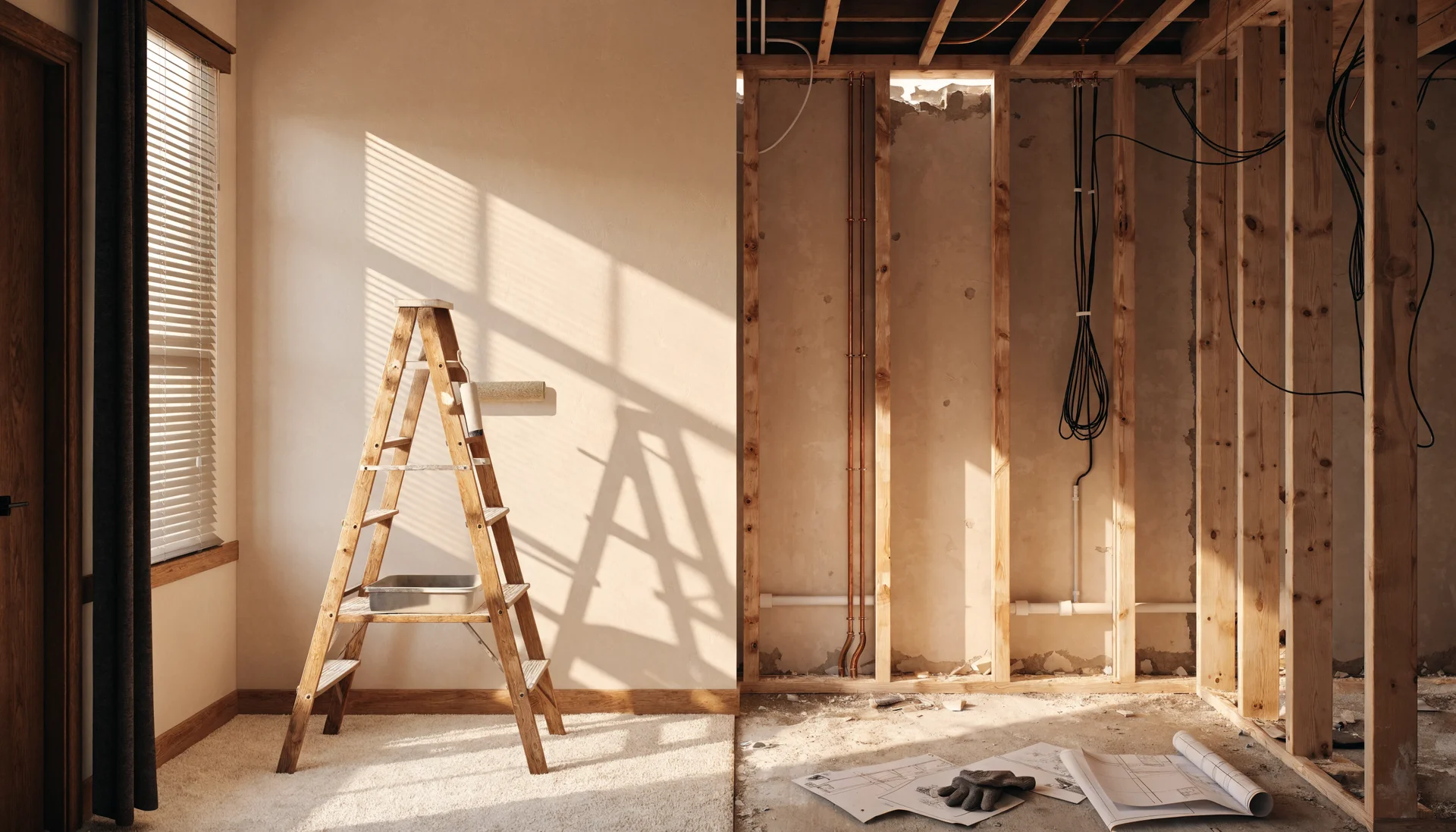
By the time a sledgehammer appears, a well-run remodel is already decided: layout, cabinets, tile, fixtures and finishes selected and ordered. A decision made on paper costs nothing to change. The same decision made after demolition costs labor, material and schedule, because crews stand down, orders re-queue, and finished work sometimes has to be undone. The most common surprise is how much of a remodel happens at a desk, weeks before anyone touches a wall.
2. An allowance is a placeholder, not a price
When a bid says “allowance for tile,” it is not telling you what tile costs. It is telling you what number the bid used so the total would look complete. If that number was set low, every real selection you make later arrives as an overage, and the bid that looked cheapest quietly stops being cheap. Before you sign, ask what each allowance was based on and whether it reflects products you would actually choose.
3. A change order mid-build costs more than the same choice on paper
The same upgrade has two prices: the one it carries during planning, and the one it carries once crews are sequenced and materials are ordered. Mid-build, a change pays for rework, re-ordering and idle time on top of the change itself.
Change orders are not a scandal. Some are unavoidable, like whatever an opened wall reveals. The lesson homeowners report is narrower: every change you can move from mid-build to before-demolition gets cheaper by the move. That is the practical reason to slow the selection phase down instead of rushing toward a demo date.
4. The contract matters more than the pitch
The pitch is how a project gets sold; the contract is how it will actually run. What is not written down cannot be enforced, so the document (scope, named materials, schedule, payment terms, warranty) is the only version of the project both sides are bound to. Homeowners who compared firms by presentation tell us they would now compare them by paperwork.
Read the payment schedule first. Our contracts take a deposit sized to the project, then payments that track construction milestones. A schedule that front-loads the money tells you who carries the risk if the project stalls.
Not sure which of these applies to your house? A short conversation settles it faster than any calculator.
Living Through It: The Part Nobody Describes Accurately
5. “A few weeks” means weeks you live differently
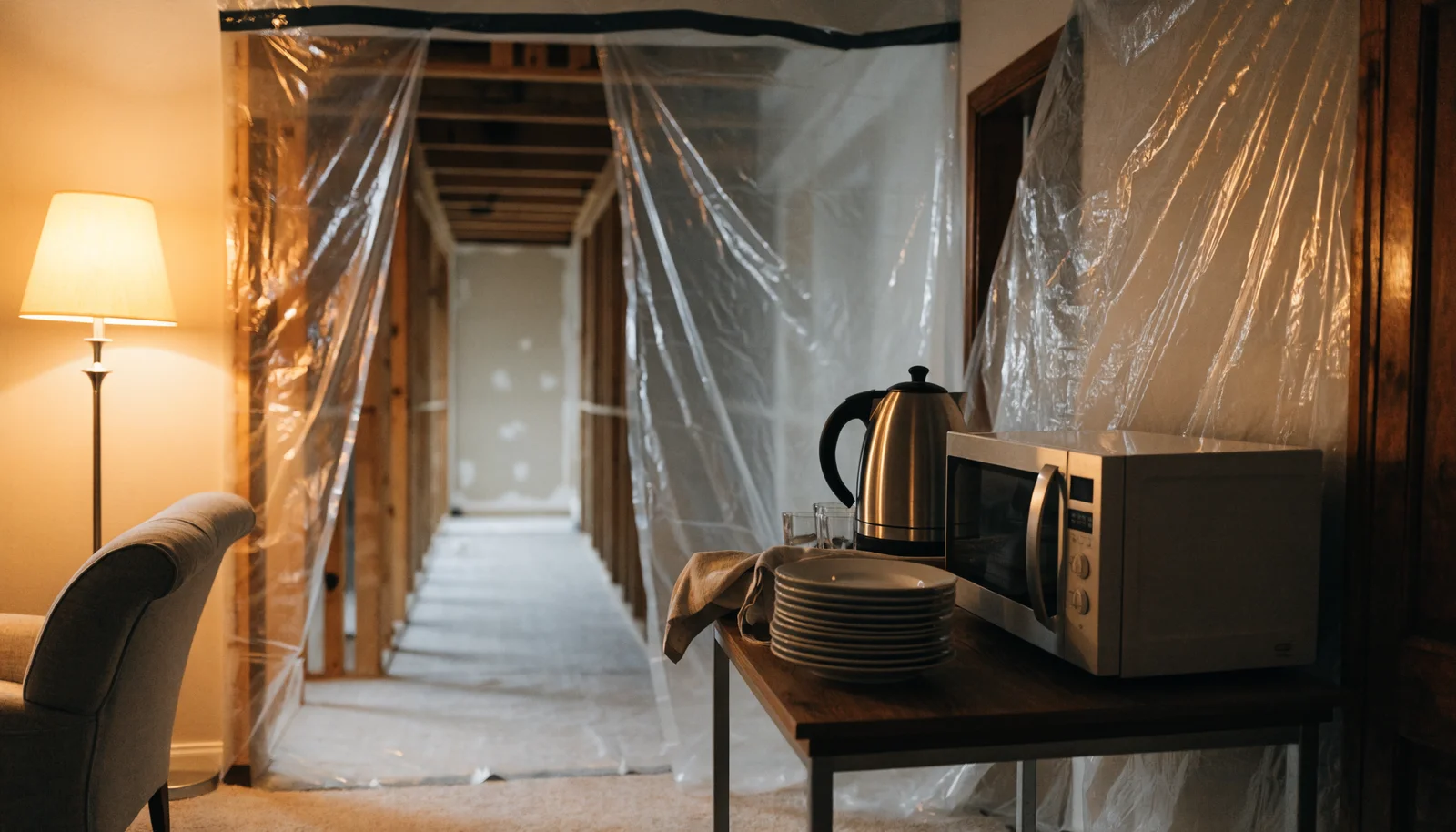
On our projects, a kitchen remodel typically runs 6 to 10 weeks and a bathroom 3 to 6; whole-home renovations run 12 to 22 weeks and additions 16 to 28. Those are the working ranges we publish for DFW projects, not worst cases. What homeowners say they misjudged was not the total but the texture: weeks of washing dishes in a bathroom sink, a household sharing one shower, a garage doubling as a pantry. The remodel is temporary; the routine around it is daily.
6. The house stays livable only if the plan says so
Living at home through a partial remodel is workable; living through a whole-home project that shuts off plumbing or electrical is much harder. Which rooms stay sealed, where the dust barriers go, which bathroom stays functional: these are scoping decisions, not day-of improvisations. Our guide to living in your house during remodeling covers how to plan it. The item for this list is simply that it has to be planned, before the contract is signed, not negotiated in week three.
7. Quiet weeks are normal, and scheduled
Somewhere mid-project the site goes quiet and homeowners assume something has gone wrong. Usually nothing has: permits take 1 to 3 weeks to issue, inspections get scheduled around city calendars, and material lead times run in the background whether or not anyone is hammering. A remodel is not a continuous eight-hour-a-day performance. Our guide to what to expect during a home remodel in DFW walks the full sequence phase by phase, including the pauses. Knowing which silences are scheduled is most of the cure for mid-project anxiety.
Money: Where the Surprises Actually Hide
8. The cheapest bid is a description of what is missing
When three bids arrive and one sits far below the others, the low number is rarely a discount. It is usually a list of things the bid does not contain, and homeowners who chose on price alone tell us the gap reappeared later as overages. The usual hiding places:
Low allowances
Placeholder numbers set at prices no one actually selects, so the real cost arrives later as a string of overages rather than up front as an honest total.
Vague material specs
“Similar quality” language that permits substitutions without your approval. If the contract does not name the product, the contract does not contain the product.
Excluded scope
Haul-off, patching, paint, hardware: small lines individually, meaningful together, and each one billed as an extra once the job is underway.
No permit line
A bid that omits permits and inspections is not cheaper; it is quoting a different, riskier project on your house.
Thin warranty terms
A price with no written workmanship coverage behind it is a different product from the same price with coverage, even when the two numbers match.
Compare bids by what they contain, not by their bottom lines. The comparison takes an evening; the overages take months.
9. Honest prices arrive as ranges, because scope is a range
Homeowners are often startled that credible remodeling prices come as wide ranges. They should. The same room can be a refresh or a gut. The ranges we work to in DFW, with the typical durations we publish alongside them:
A single tidy number quoted before anyone has measured your house is not more accurate than a range. It is less honest about what is not yet known. For what those budgets actually buy in this market, start with our page on home remodeling in Plano, TX, which breaks the ranges down by project type.
10. The warranty is part of the price
Two bids with the same total are not the same price if one stands behind the work in writing and the other goes quiet after the final payment. We back our work with a 1-year workmanship warranty, stated in the contract. The point of this item is not our terms specifically, but that terms must exist, in writing, before you sign. Our DFW remodeling warranty guide explains what workmanship coverage does and does not include, and the questions that separate a real warranty from a reassuring sentence.
Tell us what you are planning. We will walk your house, tell you what is actually possible, and put a real number on it before you commit to anything.
Or read the numbers first: home remodeling in Plano, TX.
The Pattern Behind All Ten
Read the list again and one pattern holds: every item is checkable before the contract is signed. Allowances can be questioned at the estimate table. The payment schedule and warranty are on paper in front of you. The living-through-it plan is a scoping conversation. The homeowners who report the fewest surprises are not the ones who spent the most. They are the ones who front-loaded decisions, read the paperwork, and treated the bid comparison as a scope comparison. Everything after demolition day mostly executes decisions that were already made, well or badly, at a desk.
That is also why we tell homeowners comparing firms for home remodeling in Plano, TX to ask about process before price. The pitch takes an hour to admire; the process is what you live with for the following months.

What to Do With This List Before You Sign
The practical translation, in project order: finish selections before you schedule demolition; ask what every allowance is based on; move every change you can to the paper phase; decide the living-through-it plan during scoping; and read the payment schedule and the warranty terms before you admire the renderings. Then compare your bids line by line for what each one actually contains.
That is one afternoon of reading and questions, set against months of construction and budgets that can reach six figures. Hindsight is the one material on a remodel that can be delivered before the project starts. This list is ours, from the homeowners who paid for it.
Questions we get
What should I know before remodeling my house?
Know that the project is largely decided before demolition: selections, scope, permits and the living-through-it plan all work best when they are settled on paper first. Know how to read a bid: allowances are placeholders, not prices, and vague material language permits substitutions. And read the payment schedule and warranty terms before signing, because the contract, not the pitch, is what governs the months that follow.
What does nobody tell you about renovating a house?
Three things come up again and again in our final walkthroughs: quiet weeks are normal, because permits, inspections and material lead times run on their own calendars; the hard part of living through a remodel is the daily routine, not the noise; and decision fatigue is real: dozens of selections land early, which is exactly why they belong before demolition rather than mid-build.
What is an allowance in a remodeling contract?
An allowance is a placeholder amount a contractor puts in a bid for an item you have not selected yet, like tile or fixtures. It makes the total look complete, but if the allowance was set below what you would realistically choose, the difference shows up later as an overage. Ask what each allowance is based on and whether it reflects products you would actually pick.
What is a change order in remodeling?
A change order is a written amendment to the contract that documents a change in scope, materials or price after the project has started. Some are unavoidable, such as what an opened wall reveals. The cost lesson is that a change made mid-build pays for rework, re-ordering and idle crew time on top of the change itself, so any decision that can be made before demolition should be.
Should you live in your house during a remodel?
It depends on scope. Living at home is usually workable during a partial remodel, and much harder during a whole-home project that takes plumbing or electrical offline. The honest answer is decided during scoping (which rooms get sealed, where dust barriers go, which bathroom stays functional), not improvised once crews arrive.
Why is the lowest bid not always the best?
Because a bid meaningfully below the others is usually describing what it leaves out rather than offering a discount. The common hiding places are low allowances, vague material specifications, excluded scope items, missing permit costs and thin warranty terms. Compare bids by what they contain, line by line, rather than by the bottom number.
Front-load the decisions, question every allowance, read the payment schedule and warranty before the renderings, and compare bids by their contents instead of their bottom lines. Everything after demolition day mostly executes decisions already made. The ten items above are how to make them well.
Related from the journal


Borrow the hindsight before demolition day on your own DFW remodel: process first, then price.
Fully insured · 500+ client reviews · fixed-price contracts · 1-year workmanship warranty.
Prefer to talk? (469) 850-7087 · or use the contact page.