
How Long Does a Bathroom Remodel Take in DFW? (Phase-by-Phase)
Most DFW bathroom remodels take 3 to 6 weeks, and every one of those weeks has a name. Here is the phase-by-phase schedule, the two waits no contractor can compress, and what to settle before demo day.
How long does a bathroom remodel take? Most DFW bathroom remodels take 3 to 6 weeks from demolition to final walkthrough. A cosmetic refresh runs 1 to 2 weeks, a full hall or guest bath takes 3 to 4 weeks, and a primary suite or walk-in shower conversion runs 4 to 6 weeks. Those are the ranges we publish in our DFW bathroom remodel planning guide, and they hold on real projects under one condition: every material is selected and on site before demolition begins.
Most DFW bathroom remodels take 3 to 6 weeks; the range is set by sequence, not size.
A cosmetic refresh runs 1 to 2 weeks, a full hall bath 3 to 4, a primary suite or walk-in conversion 4 to 6. The schedule is a fixed chain (demo, rough-in, inspection, waterproofing and tile, finish, glass) where cure times and custom-glass fabrication are physics, not planning. Projects that start with every material on site land at the short end of the range.
This guide breaks the schedule down phase by phase: where each week actually goes, which waits are physics rather than planning, and what to settle before demo day so your project lands at the short end of its range instead of the long one.
The Short Answer, by Project Type
Bathroom timelines track scope, not square footage. The table below is the honest version of the schedule conversation we have with every homeowner. Because timeline and budget are two views of the same scope decision, it reads best next to our page on bathroom remodel costs in Plano, which breaks the same tiers down in dollars.
The luxury figure comes from the top tier of our Plano cost guide, where custom stonework, steam features and layout changes each add their own trade sequences. For the cost side of the same question across the wider metro, our DFW bathroom remodel cost guide covers the full $8,000–$60,000 range and answers the timeline question in brief; this post is the long-form version of where those weeks go.
Why a Bathroom Takes Longer Per Square Foot Than Any Other Room
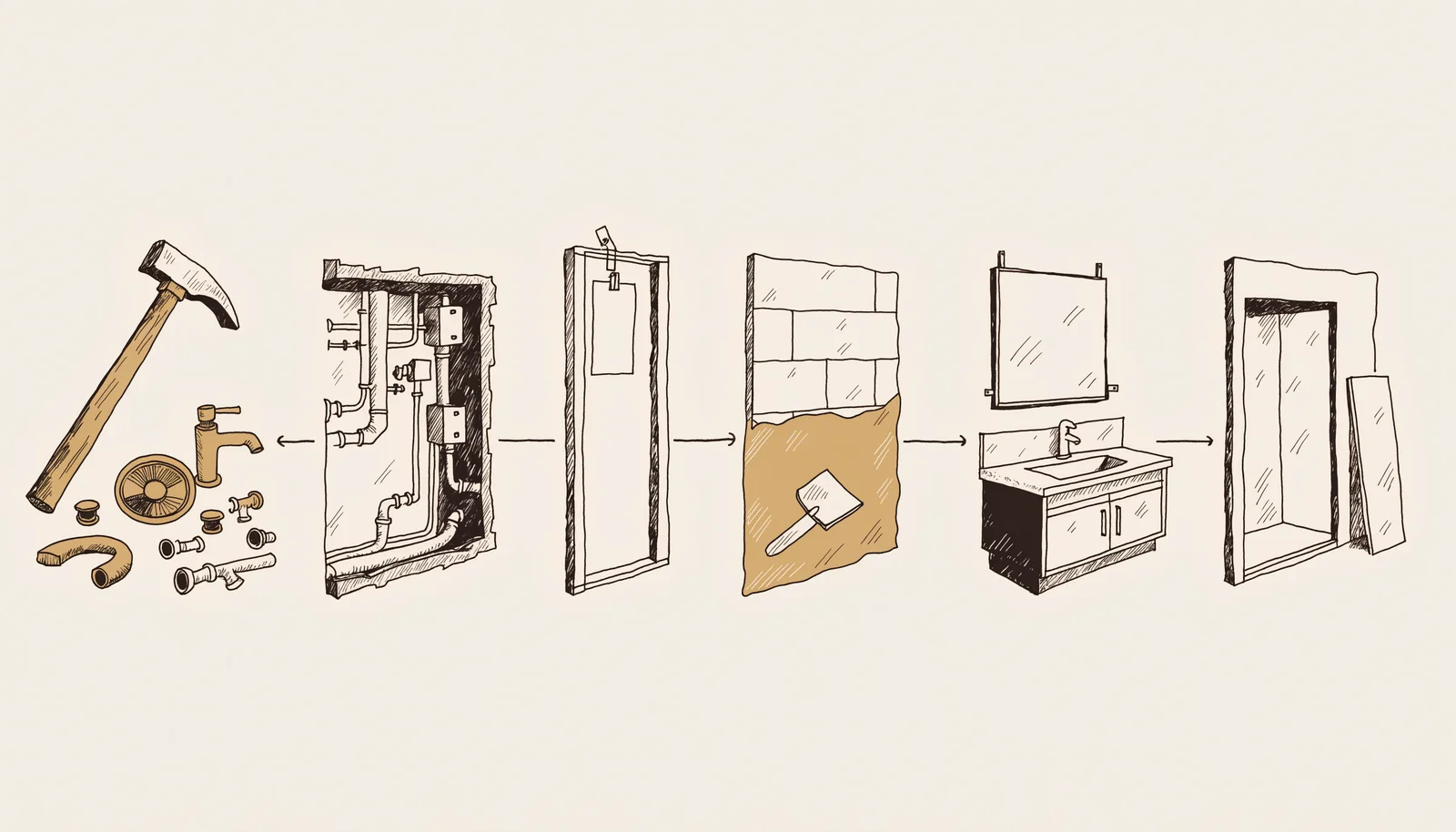
A bathroom is the densest room in the house. In the 40 to 60 square feet of a typical hall bath, a remodel touches plumbing, electrical, ventilation, framing, waterproofing, tile, cabinetry, countertops, glass and paint: nearly every trade that exists in residential construction, working in a space where only one of them fits at a time. A kitchen spreads its trades across a larger floor plate, so some work can run in parallel. In a bathroom, almost nothing can.
Three forces set the floor under every bathroom schedule:
- Trade density. Each trade needs the previous one finished, inspected where required, and out of the room before it can start. The schedule is a chain, and the room is too small to double up links.
- Cure times. Waterproofing membranes and mortar need time to cure between stages. Nothing about a bigger crew or a longer workday changes chemistry.
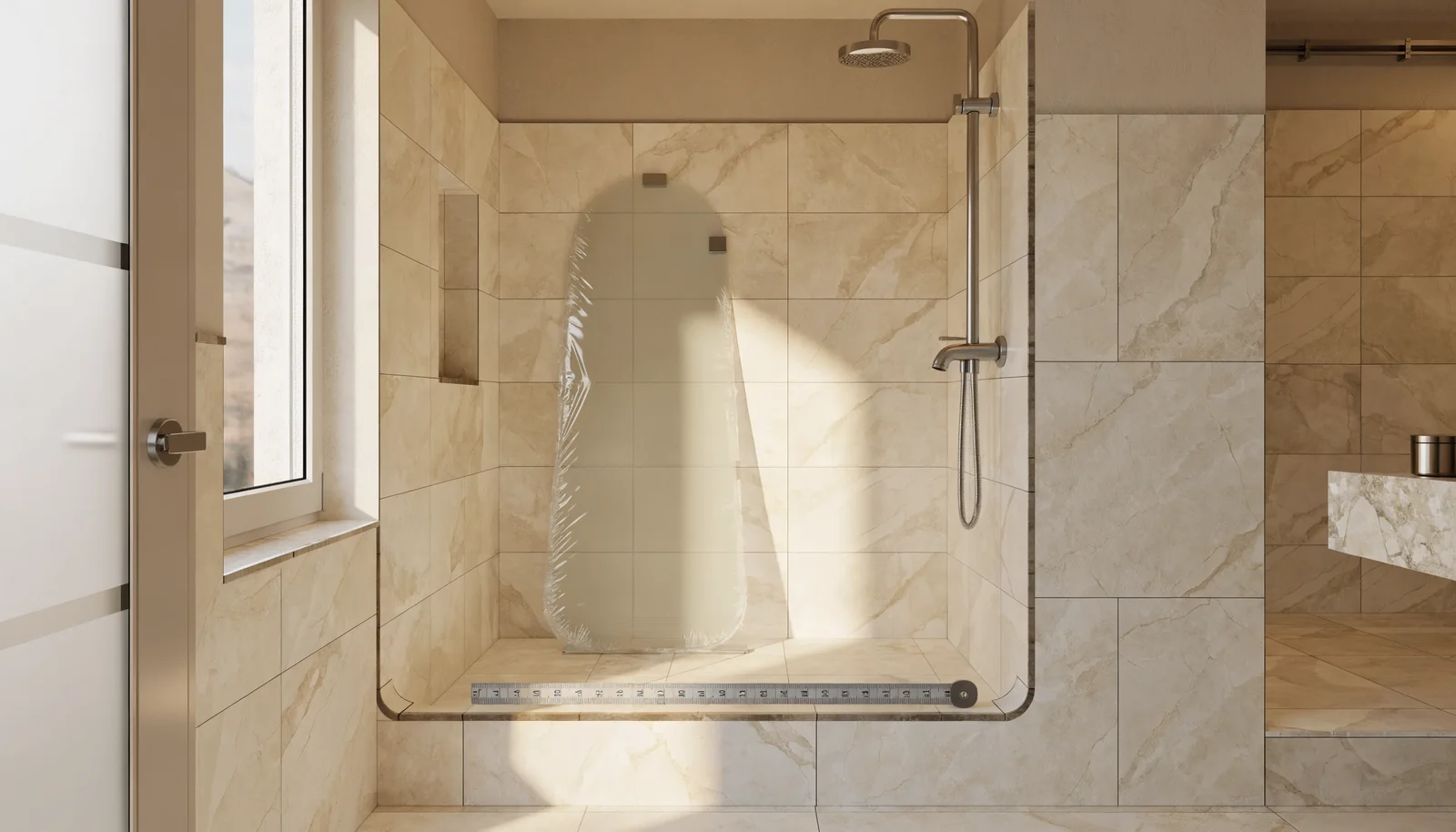
- Custom glass. A frameless shower enclosure can only be measured after the tile is complete, which puts its fabrication wait at the very end of the project, the one place a delay cannot be absorbed by other work.
A bathroom timeline is not a pile of tasks that could be rearranged to go faster. It is a fixed sequence in which most steps physically cannot start until the previous one is done, cured, or inspected. Compressing it means skipping one of those three things, and each skip resurfaces later as a leak, a failed inspection, or a redo.
Not sure which of these applies to your house? A short conversation settles it faster than any calculator.
Phase by Phase: Where the Weeks Go
Here is the sequence as it actually runs on a DFW bathroom project, once permits are in hand and materials are on site.
Demolition and discovery
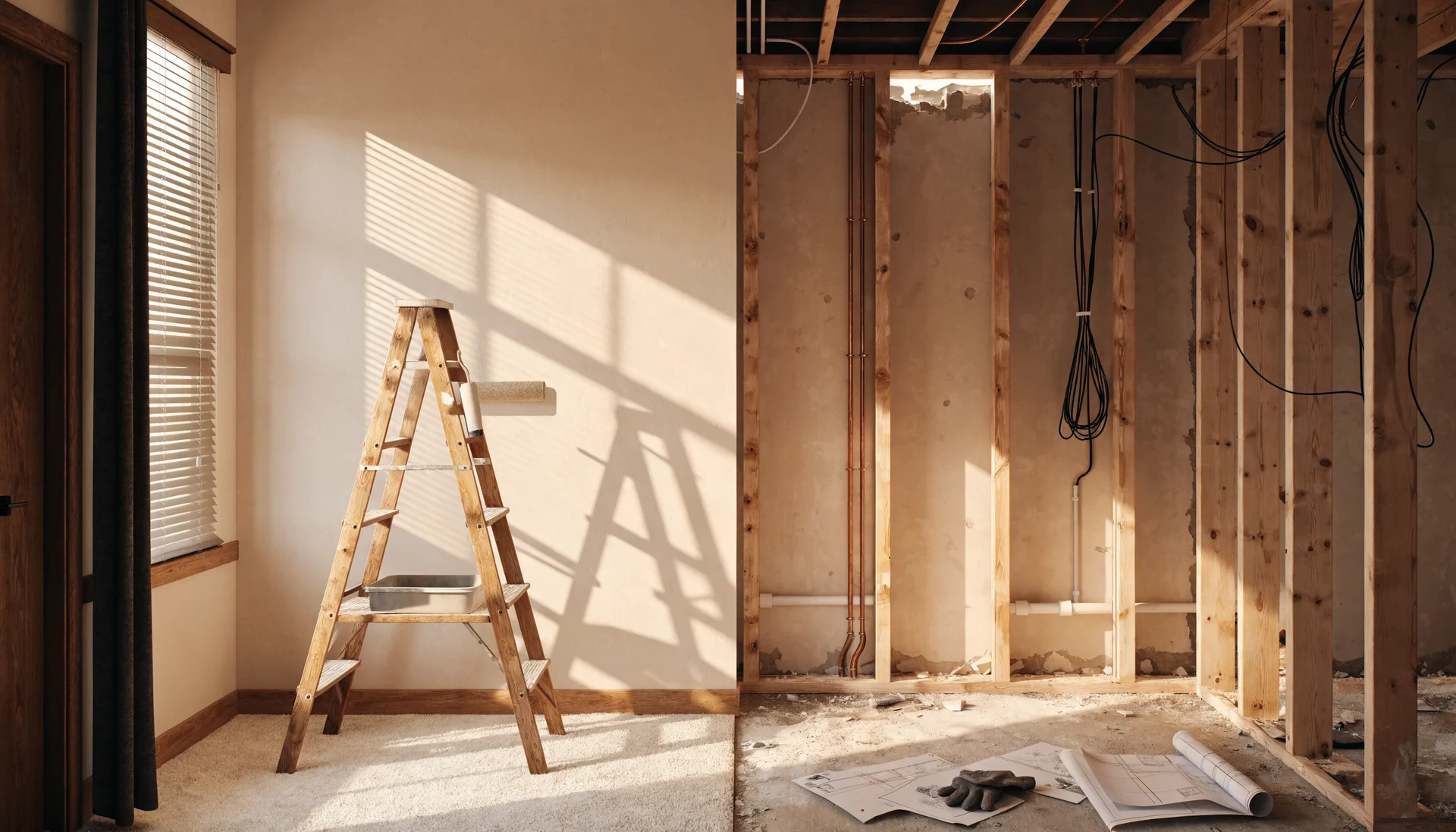
The existing bathroom comes out down to studs and subfloor where the scope requires it. This is also when the house tells you the truth: hidden water damage, corroded valves or undersized venting show up now, while they are cheapest to address. Demo itself is fast; what it reveals sets the tone for everything after.
Rough-in: plumbing, electrical, ventilation
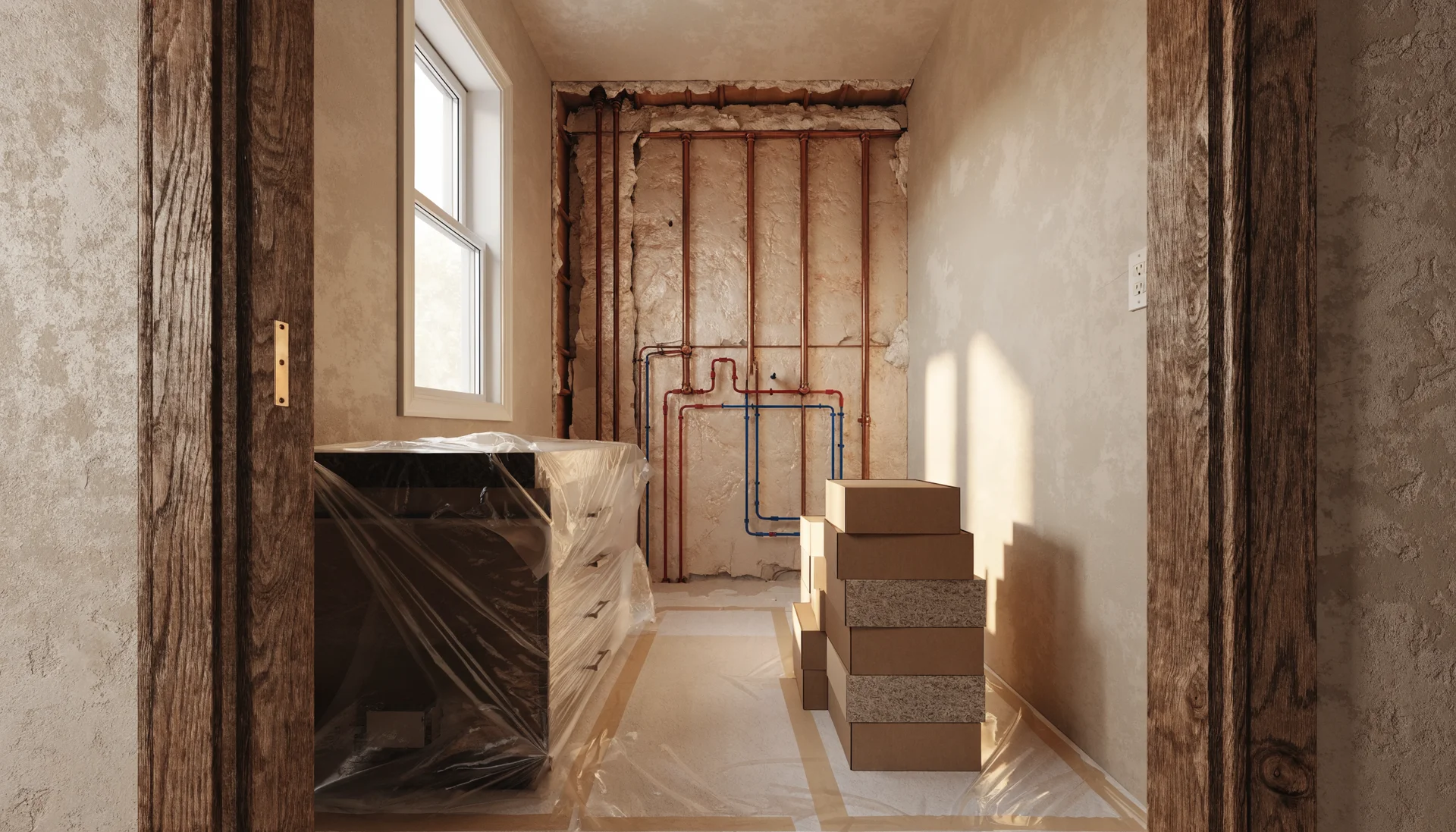
Supply lines, drains, valves, circuits and exhaust routing go in while the walls are open. If the layout moves (a tub becoming a shower, a drain relocating), this is where that work happens, and it is the phase most likely to grow.
Inspections
Where the scope requires city permits, rough-in work gets inspected before anything covers it. Inspections fall between stages, so the schedule holds a gap for the inspector’s calendar, not just the crew’s. Relocated plumbing brings an extra inspection of its own.
Waterproofing and tile
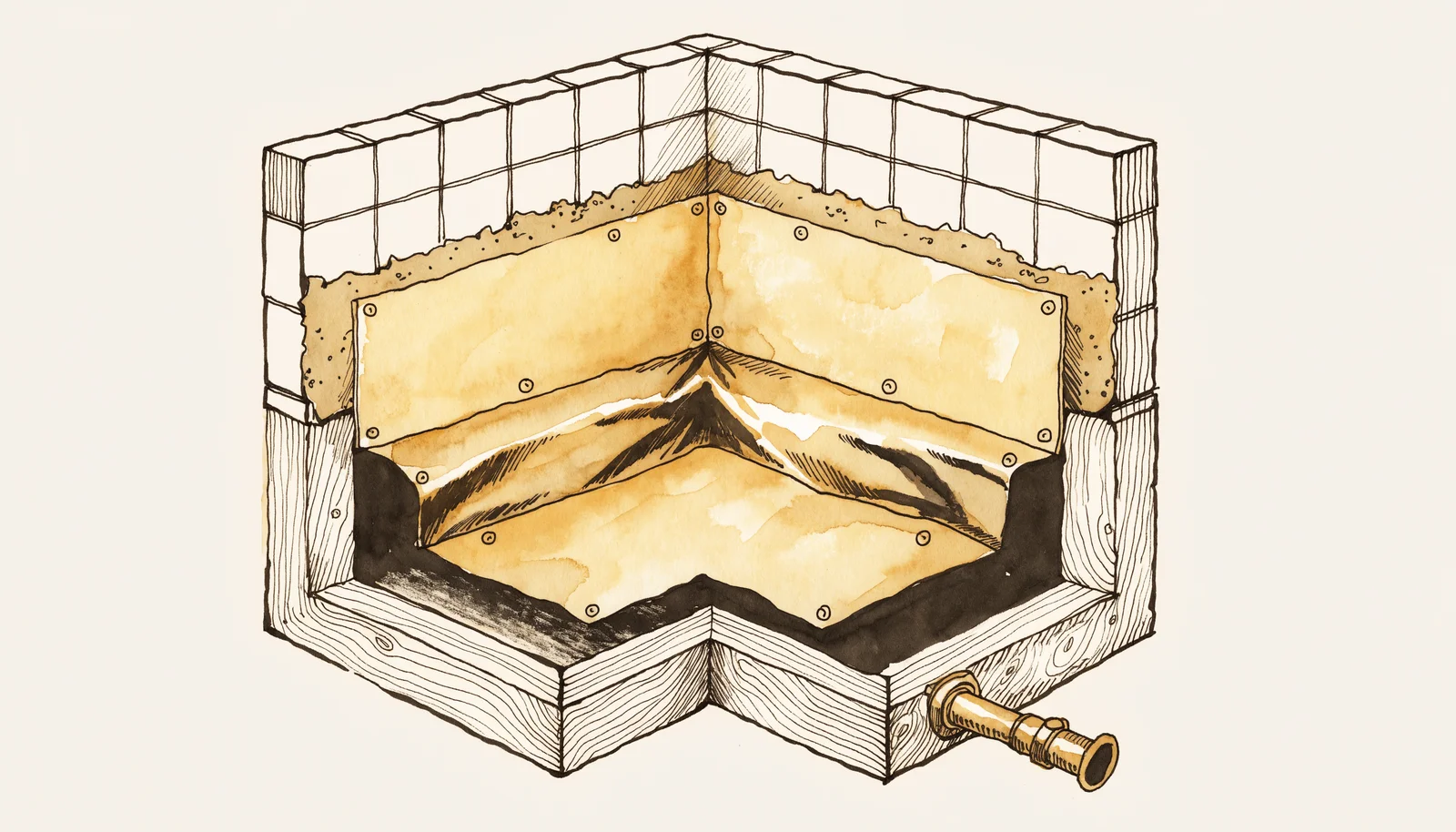
The wet areas are membraned, flood-tested where applicable, and tiled. This is the phase that cannot be rushed: membranes and mortar need time to cure, and each layer waits on the one beneath it. It is also where the finished look of the room is made, one course at a time.
Vanity, fixtures and finish
Cabinetry, countertops, plumbing trim, lighting, mirrors and paint go in against the finished tile. The room starts looking like a bathroom again in days, which is why homeowners often mistake this phase for the end. It is not.
Glass, punch list and walkthrough
The shower enclosure is measured off the finished tile, fabricated, and installed, the last long wait of the project. Then the punch list closes out the details, and the final walkthrough happens with you in the room, not after you have already signed.

“I will not send a bathroom to demo in DFW until the tile, the vanity and the shower glass are chosen and the tile is already sitting in the garage. The weeks people lose are almost never on the jobsite; they are lost waiting on a selection nobody made.”
The Two Waits You Cannot Compress
Every phase above responds to good management: tight scheduling, materials staged early, trades booked back to back. Two of them do not respond to management at all, and they are the reason an honest bathroom schedule has slack built into its back half.
Cure times. Waterproofing membranes and tile mortar cure on their own clock. Rush a membrane and you get a leak behind a finished wall; rush mortar and tile creeps out of plane. The days a schedule spends waiting on cure are not idle days; they are the days that decide whether the shower is still watertight long after the crew leaves.
Custom glass. A frameless enclosure is templated from the finished, tiled opening, because tolerances are too tight to work from drawings. That means the fabrication wait starts only after tile is done and cannot overlap with anything else on the critical path. It is the most common reason a bathroom that looks finished still is not.
When the room sits quiet for a day between waterproofing coats, the schedule is not slipping; it is doing the one job that no crew can do. The projects that fail early are almost never the ones that took a week longer; they are the ones where somebody tiled over a membrane that was not ready.
What Stretches a Bathroom Timeline
The ranges at the top of this post assume the scope stays put. These are the changes that move a project from the short end to the long end, or past it:
- Moving plumbing. Relocating a drain or supply line adds rough-in work, brings an extra inspection, and on a mid-range budget adds $2,000–$5,000, the single most common scope change we price, per our guide to what $10K buys in a DFW bathroom remodel.
- Tub-to-shower conversion. Converting a tub to a walk-in shower adds 1 to 2 weeks to a base timeline, because it rebuilds the wet area from the drain up: new pan, new waterproofing, new tile, new glass.
- Custom cabinetry. A custom vanity is fabricated, not picked from a shelf. Expect 3 to 4 weeks of shop time, a figure we track across project types in our whole-home renovation timeline. Ordered late, it becomes the thing the whole room waits on.
- Permits and inspections. Where structural, plumbing or electrical scope requires a permit, the city’s calendar joins yours. The permit itself is not the delay; discovering mid-project that you needed one is.
- Mid-project selection changes. Changing tile after waterproofing, or a fixture after rough-in, does not add a task; it rewinds the sequence to wherever the change lands.
Tell us what you are planning. We will walk your house, tell you what is actually possible, and put a real number on it before you commit to anything.
Or read the numbers first: bathroom remodel costs in Plano.
What Not to Forget Before Demo Day
Most bathroom overruns are not construction problems. They are decisions that were still open when demolition started. The list below is short because the fix is the same for every item on it: settle it before the first hammer swings.
Ordering long-lead items late
Tile, the vanity and the shower glass are the three longest waits in the project. Any of them ordered after demo means a finished-looking room standing still. Everything selected and on site before demolition is the single biggest predictor of hitting the short end of the range.
Leaving selections open
An unchosen faucet seems harmless in week one and stops the plumber in week three. Every open decision is a future stoppage with your name on it.
Ignoring ventilation
The exhaust fan is the least glamorous line in the scope and the one that protects everything else from moisture. Sizing and routing it is rough-in work. Remembering it after tile means opening something that was finished.
Not planning around the lost bathroom
A hall bath out of service for 3 to 4 weeks is a household logistics problem, not just a construction fact. Decide before demo which bathroom absorbs the load and how the household routine changes.
Assuming the quiet days are wasted
Cure days and inspection gaps look like nothing happening. Pressuring a crew to fill them is how waterproofing gets covered early. The schedule that includes them is the honest one.
Budget and Timeline Move Together
Scope drives both numbers at once. The same decisions that set a bathroom’s budget (keep the layout or move it, stock vanity or custom, tub or walk-in shower) are the decisions that set its duration, which is why we price and schedule from one fixed scope rather than quoting a fast calendar and a separate low number. Bathroom remodels across our DFW service area run $8,000 to $60,000 depending on those choices; a focused $10,000 hall-bath refresh typically takes 3 to 4 weeks, while the spa-level projects at the top of the range carry the 8-to-14-week schedules to match. The tier-by-tier detail (what each budget buys and how long it takes) is on our Plano bathroom remodel cost guide.
However the scope lands, the structure underneath it stays the same: a fixed-price contract, payment milestones of 10/20/20/20/20/10 tied to progress rather than promises, and a 1-year workmanship warranty on the finished work. A bathroom schedule you can trust is not the shortest one on the table; it is the one where every week has a named phase, every quiet day has a reason, and the contractor can tell you, before demolition, exactly which wall the last tile goes on.
Questions we get
How long does a bathroom remodel take?
Most DFW bathroom remodels take 3 to 6 weeks from demolition to final walkthrough. A cosmetic refresh runs 1 to 2 weeks, a full hall or guest bath takes 3 to 4 weeks, and a primary suite or walk-in shower conversion runs 4 to 6 weeks. The ranges hold when every material is selected and on site before demolition begins; late selections and mid-project changes are what push a project past them.
In what order should I renovate a bathroom?
Demolition first, then rough-in plumbing, electrical and ventilation while the walls are open, then inspections where permits apply, then waterproofing and tile, then vanity, fixtures and finish work, and finally the shower glass and punch list. The order is fixed by physics and code, not preference: each phase covers up the one before it, so working out of sequence means undoing finished work.
What to avoid when renovating a bathroom?
Avoid starting demolition before every material is selected and on site, changing tile or fixtures after rough-in, rushing waterproofing cure times, and covering plumbing or electrical work before it has been inspected. Each of these feels like saved time in the moment and returns later as a stoppage, a leak or a redo. The cheapest week of a bathroom remodel is the planning week before demo.
What is the best time to renovate a bathroom?
The best time is when the project is fully planned: selections final, materials ordered and delivered, and long-lead items like the vanity and shower glass accounted for in the schedule. Readiness matters far more than season for an interior remodel. A bathroom started with open decisions in any month will take longer than one started fully staged in the busiest one.
Can I renovate a bathroom for $10,000?
Yes, at cosmetic-refresh scope: new fixtures, vanity, tile and paint in a hall bath with the layout unchanged, typically completed in 3 to 4 weeks. Moving plumbing adds $2,000 to $5,000 and pushes the budget past that mark quickly. Full bathroom remodels across DFW run $8,000 to $60,000 depending on scope, so $10,000 buys a real transformation, but only if the footprint stays put.
What is the most expensive part of a bathroom remodel?
Labor is the largest single line, because a bathroom sequences nearly every residential trade through one small room. On a $10,000 DFW project, sequenced trade labor runs about $2,500 to $3,200 (the biggest share of the budget), with tile work the largest material line behind it. That labor share is also why bathroom timelines resist compression: the cost and the calendar are made of the same trade sequence.
A bathroom is the densest room in the house: nearly every trade, one at a time, in the 40 to 60 square feet of a typical hall bath, with cure times and a custom-glass wait that no crew size can shorten. The timeline you should trust is not the shortest one. It is the one where every week has a named phase and every quiet day has a reason.
Related from the journal

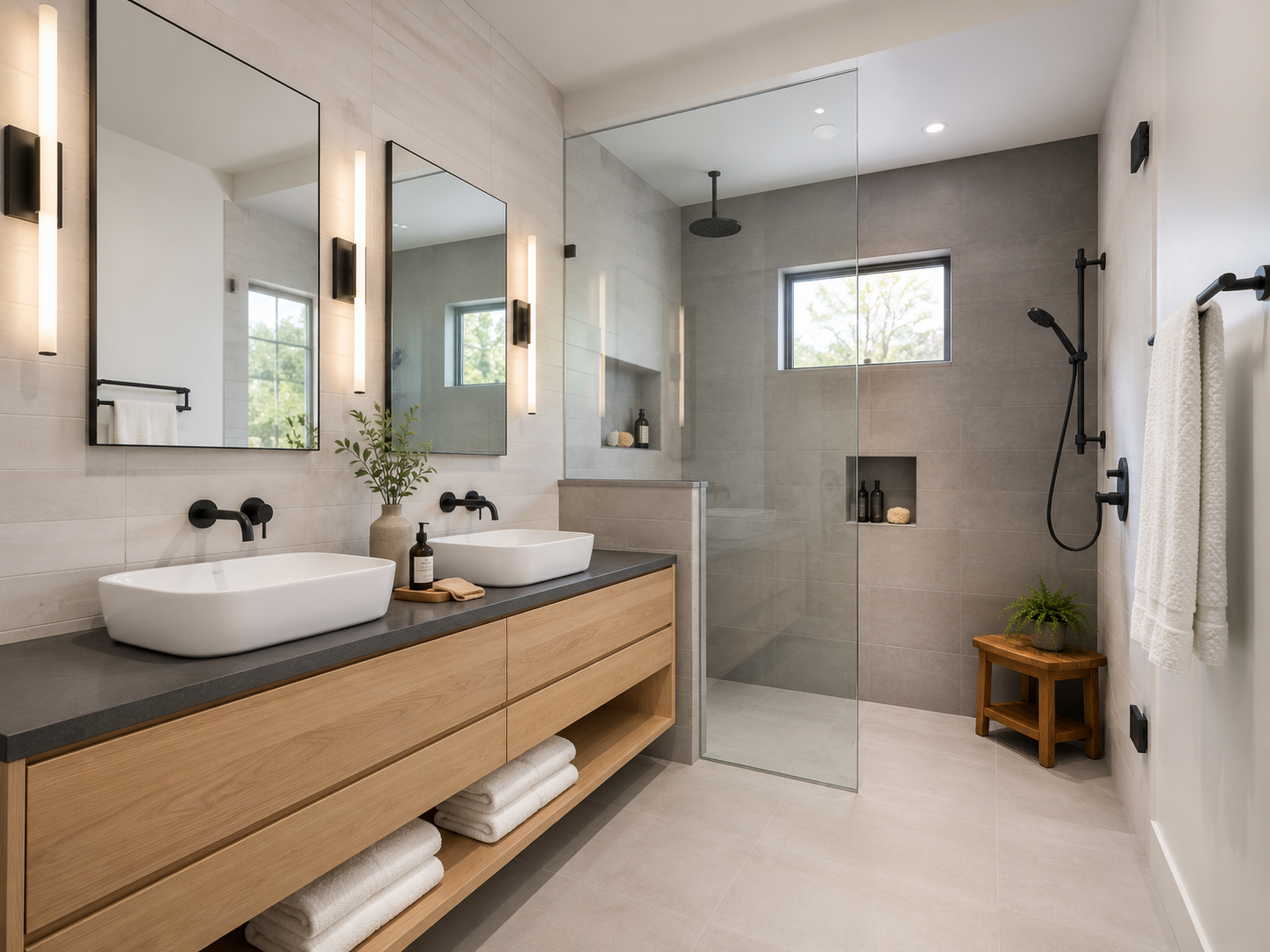
Get a schedule with every week named on a fixed-price plan for your bathroom remodel.
Fully insured · 500+ client reviews · fixed-price contracts · 1-year workmanship warranty.
Prefer to talk? (469) 850-7087 · or use the contact page.