

Affordable Home Remodeling in Plano, TX: Where Your Budget Goes Furthest
Affordable remodeling in Plano is a planning problem before it is a spending problem. Here is where the money goes, what the local price tiers look like, and which decisions keep a renovation from costing more than it should.
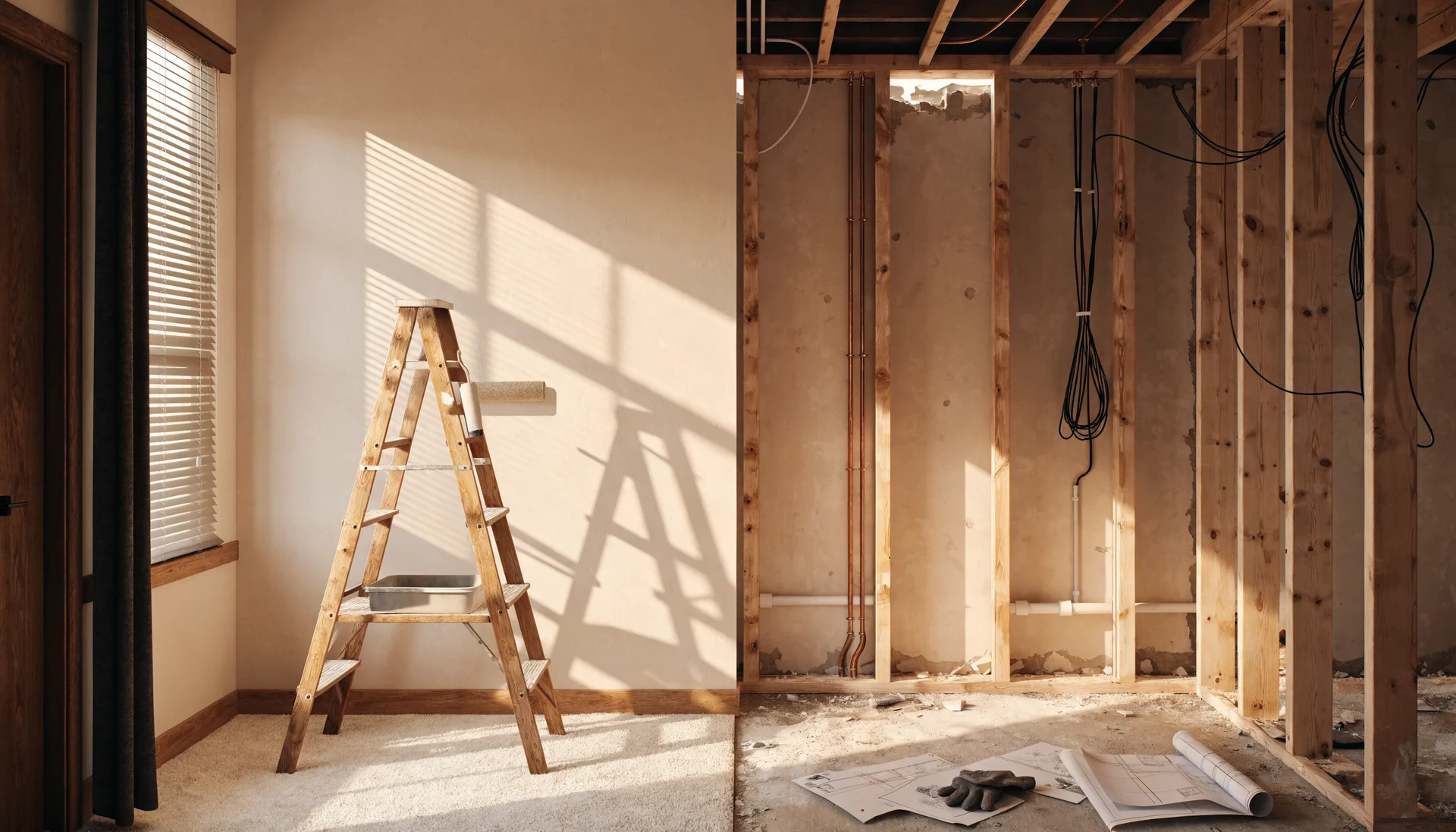
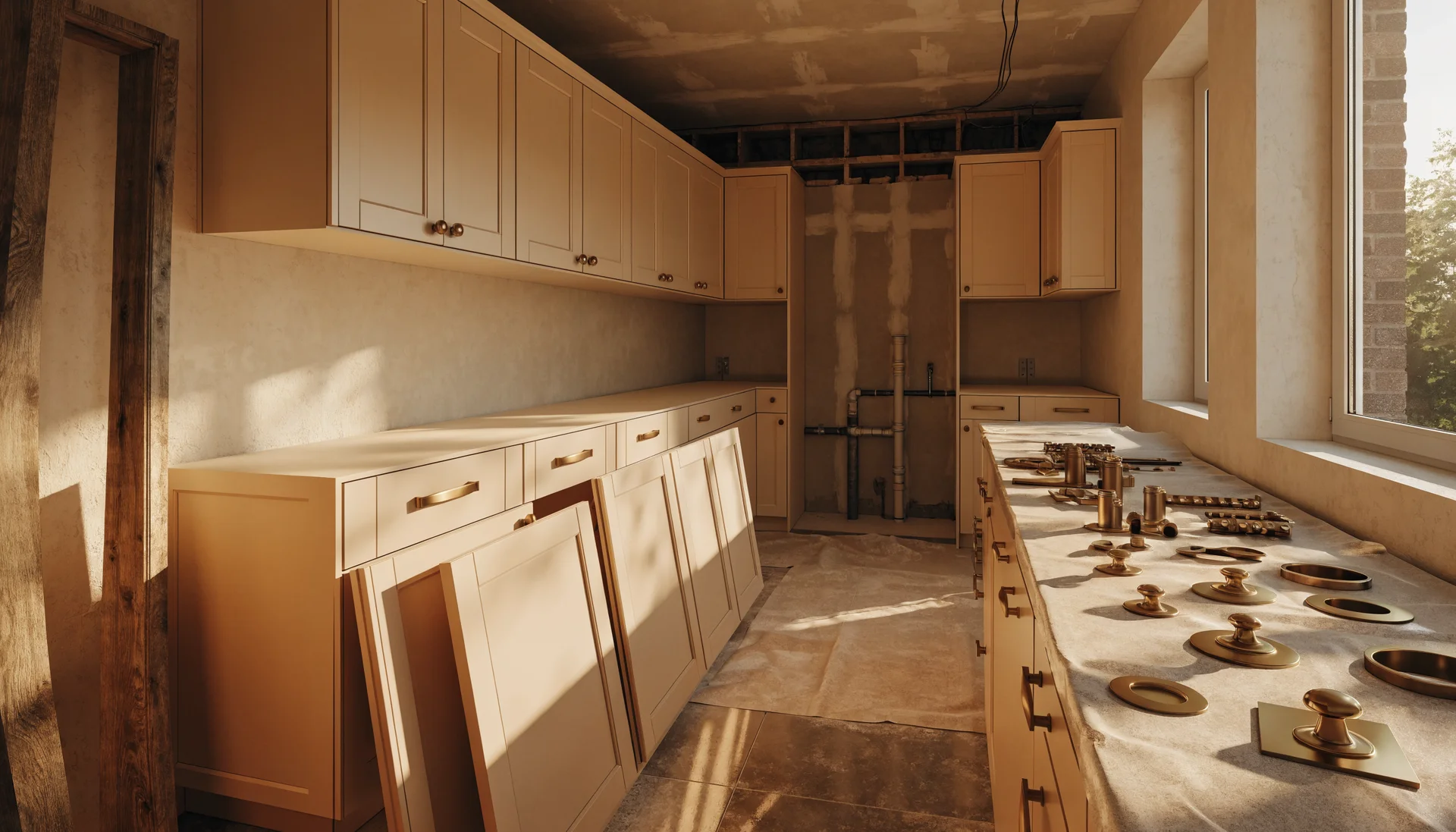
A home renovation is one of the best ways to improve comfort, function, and property value without moving to a new house. You might be updating a dated interior, fixing a layout that no longer works, or preparing the property for the years ahead. In every case, the approach you take matters more than the size of the budget. A well-built, good-looking home does not require unlimited money. With proper planning and experienced people on the job, affordable home remodeling in Plano can deliver a result you are proud of while keeping the project financially manageable.
Plan first, fund the rooms you use every day, and buy materials that last.
In Plano, kitchen remodels typically run $25,000 to $95,000, bathrooms $8,000 to $60,000, whole-home renovations $95,000 to $350,000, and additions $120,000 to $400,000. Your budget goes furthest when the goals are set before construction, the money is aimed at kitchens, baths, flooring, lighting, and layout, and a contingency is held back for whatever the walls are hiding.
Many homeowners start with UHS Remodeling because experienced remodeling professionals help sort the upgrades that pay off from the ones that only add cost. From the first consultation through completion, careful planning keeps the renovation aligned with your budget, your lifestyle, and your long-term goals. A well-managed renovation puts its money into quality craftsmanship and practical design rather than into upgrades nobody asked for.
If the whole interior needs work, professional home renovation services in Plano, TX can modernize kitchens, bathrooms, living areas, flooring, lighting, and layouts in one project, improving how the house works as well as how it looks. If what you actually need is more room, pairing a renovation with a home addition in Plano, TX can produce a more comfortable home without the expense of relocating. Before choosing a contractor, many homeowners also read our Google reviews to see completed projects and hear how the process went for other families.
Set clear renovation goals before you begin
Every successful renovation starts with a plan, and the plan starts before paint colors or flooring samples. Take the time to identify what you want the project to achieve. Some homeowners want a more modern look. Others need more storage, a layout that fits the way they live, or lower energy bills. Those are different projects with different budgets, and naming yours early keeps the money pointed at the right things. Write it down, too. A goal that lives only in conversation tends to grow once construction starts.
A written list of priorities does two jobs. It focuses your budget on the upgrades that deliver the most value, and it cuts down on changes during construction, which are one of the most common reasons renovation costs climb. Working with experienced remodeling professionals at the planning stage lets you test practical design solutions against your budget before anything is demolished.
Name the goal
Decide whether the project is about appearance, storage, function, or energy efficiency. The answer shapes every decision that follows, from the floor plan to the fixtures.
Rank the priorities
List the improvements in the order they matter to your household. The top of the list gets funded first; the bottom waits for a later phase if the budget runs short.
Plan with a professional
Bring the list to an experienced remodeler before construction. Practical design solutions are far cheaper to explore on paper than on site.
Lock the scope
Settle the plan before demolition begins. Mid-project changes are where affordable renovations stop being affordable.
Unnecessary changes during construction are one of the most common reasons renovation costs increase, and a written list of priorities is the cheapest protection against them.
Focus on improvements that add long-term value
Not every renovation returns the same value. Choosing projects that improve both daily function and resale value is how homeowners get the most from every dollar they spend.
Kitchen upgrades, bathroom remodeling, flooring replacement, fresh interior finishes, better lighting, and open-concept layouts remain some of the most valuable renovation projects. They improve everyday living now and make the property more attractive to the next buyer later. A buyer walking through notices the kitchen and the bathrooms first, and so does the family living there. Open-concept layouts and better lighting are worth singling out because they change how the whole main floor feels rather than one surface in one room.
Instead of replacing everything at once, prioritize the areas that get the most daily use. This produces a noticeable improvement while keeping renovation costs manageable, and it leaves the rooms you rarely use for a later phase when the budget allows.
Create a realistic renovation budget
A well-planned budget is the most important document in the project. Before you commit to anything, it should account for:
- Materials
- Labor
- Permits
- Fixtures
- Flooring
- Cabinetry
- Lighting
- Unexpected expenses
In Plano, most projects fall within predictable ranges. Kitchen remodels typically run $25,000 to $95,000, bathroom remodels $8,000 to $60,000, whole-home renovations $95,000 to $350,000, and home additions $120,000 to $400,000. You can see how these tiers break down on our Plano home remodeling page, or compare Plano pricing with the rest of the metro in our DFW remodeling cost study. Knowing where your project sits inside these ranges is what gives the word affordable a meaning: it tells you which tier your money buys and where it goes furthest. Where a project lands inside its range comes down to the size of the job, the materials selected, the labor involved, and the condition of the existing home.
Set aside a contingency fund on top of the working budget. It covers the problems that only show up once the walls are open, especially in older homes, where hidden plumbing, electrical, or structural issues are sometimes discovered. A realistic budget lets you make informed decisions rather than rushed ones, without compromising the quality of the finished project.
Where affordable budgets go wrong
Changing the design mid-build
Every change after demolition is priced at the worst possible moment, and frequent design changes are one of the most common reasons renovation costs increase.
Skipping the contingency
Older homes hide plumbing, electrical, and structural surprises. Without a reserve, the first one found turns into a budget crisis.
Buying the cheapest materials
Low-quality flooring, cabinetry, and fixtures cost less on day one and more later, in repairs and early replacement.
Doing everything at once
Spreading a fixed budget across every room thins the result everywhere. Prioritizing the high-use rooms produces a visible improvement instead.
Guessing at the estimate
Without accurate estimates and realistic timelines from an experienced contractor, the budget is a hope, not a plan.
Not sure which of these applies to your house? A short conversation settles it faster than any calculator.
Improve your home’s layout
Many older homes have layouts that no longer match the way families live. Before replacing finishes, ask whether the existing floor plan supports your household at all, or whether you are about to put new surfaces on a plan that was the real problem.
Removing non-load-bearing walls, improving traffic flow, expanding living spaces, or opening the main rooms into an open-concept plan can change comfort and function far more than new finishes can. Even relatively small layout changes can make a home feel larger, brighter, and more welcoming without adding any square footage.
This is where the goal-setting pays off. A homeowner who knows the problem is flow rather than finishes can put the budget into the wall that needs to come out, rather than into tile that would have looked fine on either side of it.
Choose durable materials that last
Affordable should never mean low quality. Selecting durable flooring, quality cabinetry, moisture-resistant finishes, and reliable fixtures reduces future maintenance costs and extends the life of the whole renovation. In bathrooms and kitchens especially, moisture-resistant finishes are what keep a renovation looking finished instead of merely new.
Materials such as luxury vinyl plank flooring, quartz countertops, porcelain tile, and energy-efficient windows offer a strong balance of appearance, durability, and long-term value. They hold up to daily use and still look right years later, which is the point of spending the money in the first place.
Investing in quality products from the beginning usually saves money over the life of the house by reducing repairs and replacements. The cheapest cabinet on the shelf is rarely the cheapest cabinet to own.
Increase energy efficiency during renovation
A renovation is the best moment to improve how the house performs, because the walls, ceilings, and openings are already being worked on. Doing the efficiency work now means nobody has to open them a second time later.
Replacing outdated lighting with LED fixtures, installing energy-efficient windows, improving insulation, upgrading exterior doors, and selecting modern appliances all reduce monthly utility costs while making the house more comfortable to live in. Insulation and windows in particular do their work quietly for as long as you own the house.
These improvements lower energy consumption, and they make the home more attractive to buyers who value efficiency and sustainability. They are also easy to leave off the list, so put them on early rather than treating them as an afterthought.
When is a home addition the better choice?
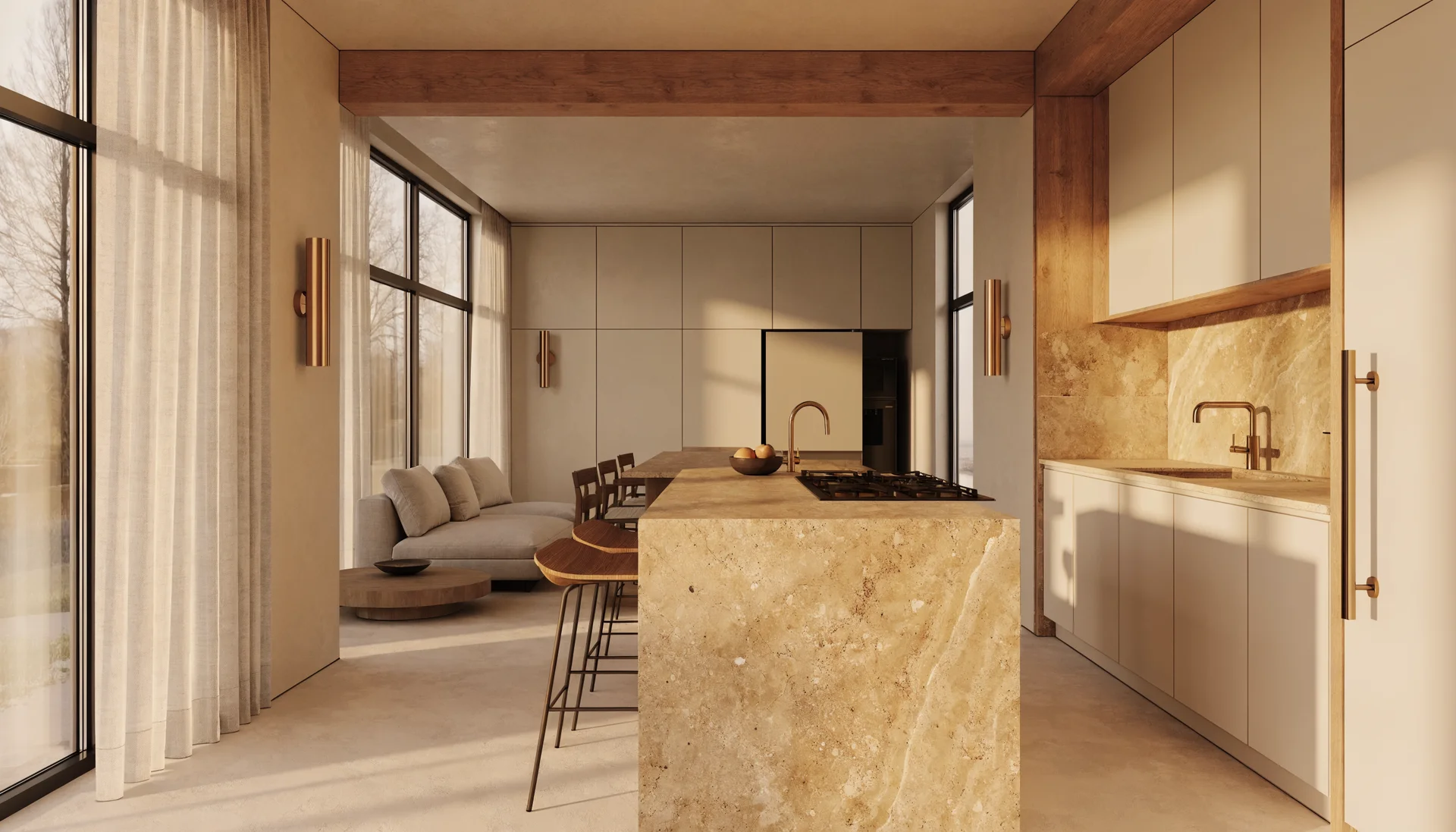
Sometimes renovating the existing space is not enough. If your family has outgrown the current layout, adding living space may be a better long-term answer than rearranging rooms that were never large enough to begin with.
An addition solves a different problem than a renovation does: not how the house looks, but how much house there is. Home additions are commonly used for:
- Larger family rooms
- Additional bedrooms
- Home offices
- Expanded kitchens
- Guest suites
- Multi-purpose living spaces
Combining a renovation with a carefully planned home addition in Plano, TX improves both function and property value without relocating. The test is simple. If better design and updated finishes can make the existing footprint work, renovate. If you need rooms that do not exist, build them.
I ask every family the same question before we talk about an addition: is the problem the rooms you have, or the rooms you do not have? Budgets go furthest when we answer that honestly before anyone draws a line.
Tell us what you are planning. We will walk your house, tell you what is actually possible, and put a real number on it before you commit to anything.
Or read the numbers first: home remodeling in Plano, TX.
Why hiring experienced remodeling professionals matters
Even the best renovation ideas need skilled execution. Experienced remodeling contractors help homeowners avoid costly mistakes by providing accurate estimates, realistic timelines, quality craftsmanship, and practical design recommendations. They also coordinate permits, inspections, subcontractors, and construction schedules so the project keeps moving. Those are the parts of a renovation homeowners rarely see, and they are the parts most likely to stall a project when nobody owns them.
Professional guidance keeps the renovation within budget while producing a result that keeps adding value for years. That is the working definition of affordable: not the lowest bid, but the project that costs what it was supposed to cost and lasts. Our home remodeling in Plano, TX page shows what that process looks like from consultation to completion.
Many homeowners also browse discussions about home renovation ideas on Quora and Reddit before starting. Those threads can be useful for inspiration and budgeting tips, but a renovation plan that fits your home’s condition, your family’s needs, and your long-term investment goals still comes from experienced professionals who have seen the inside of houses like yours.
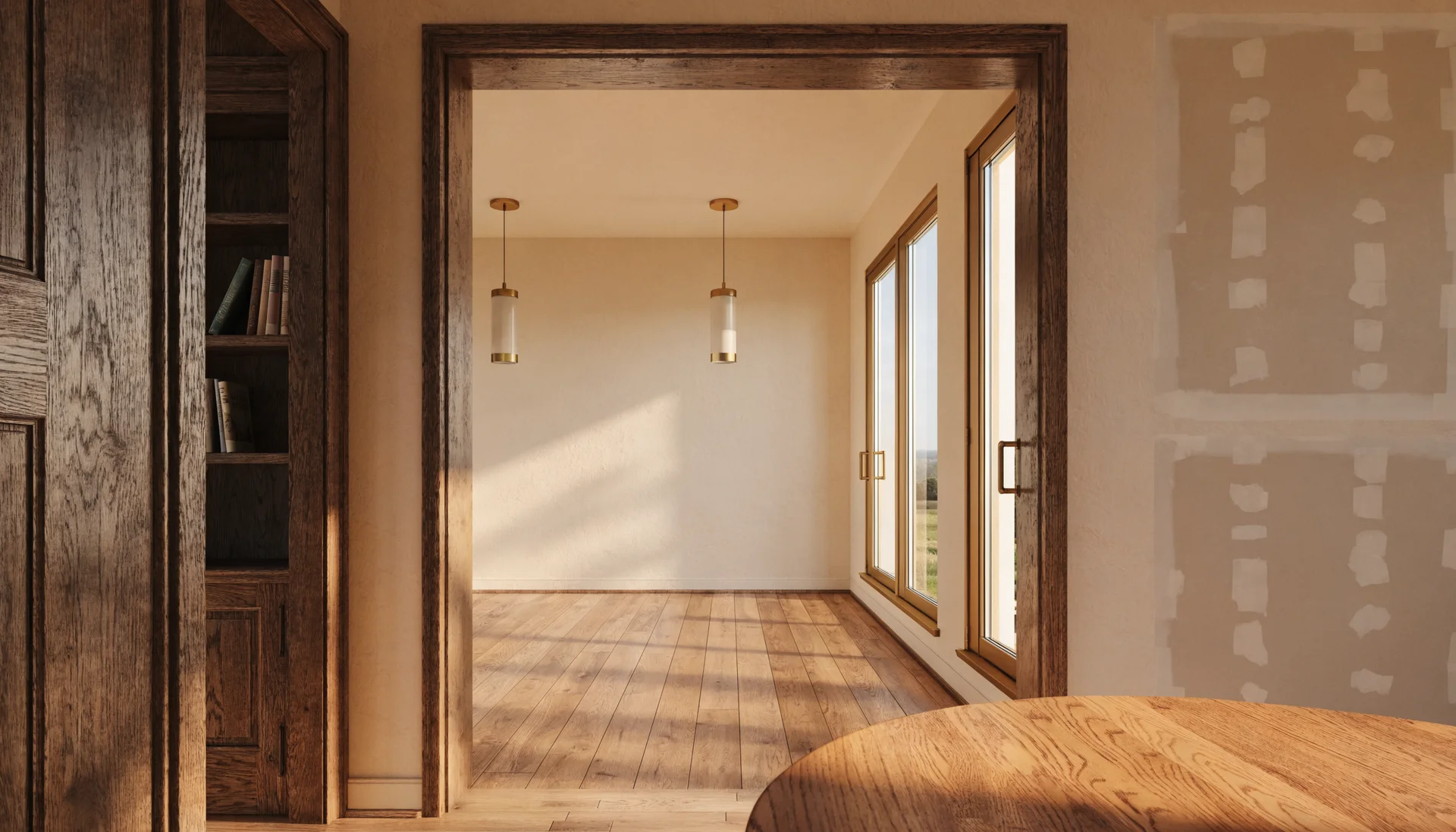
What affordable remodeling in Plano looks like
Choosing affordable home remodeling in Plano does not mean sacrificing quality or long-term value. With careful planning, realistic budgeting, durable materials, and experienced craftsmanship, an outdated house becomes a modern, functional home that supports the way your family lives. That applies to a single room as much as to a full-home renovation. Focus on comfort, efficiency, and usability, and the investment keeps paying for years.
A successful renovation is built on thoughtful design, skilled workmanship, and a clear understanding of your goals. Prioritize the high-impact upgrades, work with experienced professionals, and the result can exceed what you expected without exceeding your budget. UHS Remodeling provides professional home renovation in Plano, TX and home addition services that help Plano homeowners build practical, well-made living spaces for today’s needs and tomorrow’s plans.
Questions we get
How much do affordable home renovations cost in Plano?
The cost depends on the size of the project, the materials selected, labor requirements, and the condition of the existing home. Small renovations typically cost much less than full-home remodels or projects involving structural changes. As a guide, Plano kitchen remodels typically run $25,000 to $95,000, bathroom remodels $8,000 to $60,000, whole-home renovations $95,000 to $350,000, and home additions $120,000 to $400,000. A professional consultation provides the most accurate estimate based on your renovation goals.
Which home renovations provide the best return on investment?
Kitchen remodeling, bathroom renovations, flooring upgrades, energy-efficient improvements, fresh interior finishes, and open-concept layouts are among the projects that typically provide the greatest long-term value while improving everyday comfort.
Should I renovate my existing home or build a home addition?
If your current layout can meet your family’s needs with better design and updated finishes, a renovation may be the most cost-effective choice. However, if you require additional bedrooms, living areas, or workspace, a home addition may offer the better long-term solution.
How long does a typical home renovation take?
The timeline depends on the scope of work. Smaller remodeling projects may take only a few weeks, while full-home renovations or projects involving structural modifications can take several months. Proper planning and experienced project management help keep construction on schedule.
How can I keep my renovation project within budget?
Establish a realistic budget before construction begins, prioritize essential improvements, choose durable materials that offer long-term value, avoid frequent design changes during construction, and work with an experienced remodeling contractor who provides clear estimates and transparent project planning.
What should a Plano renovation budget include?
A complete budget accounts for materials, labor, permits, fixtures, flooring, cabinetry, lighting, and unexpected expenses. On top of that, set aside a contingency fund for problems that only appear once construction begins, especially in older homes where hidden plumbing, electrical, or structural issues are sometimes discovered.
Which materials give the best value in an affordable remodel?
Luxury vinyl plank flooring, quartz countertops, porcelain tile, and energy-efficient windows balance appearance, durability, and long-term value well. Choosing durable flooring, quality cabinetry, moisture-resistant finishes, and reliable fixtures reduces future maintenance and extends the life of the renovation, so quality products usually cost less over time than cheap ones.
Set the goals, write the budget with a contingency, and spend on the rooms you use every day. Choose durable materials over cheap ones and let experienced professionals coordinate the permits, trades, and schedule. That is how an affordable Plano renovation stays affordable all the way to the final inspection.
Related from the journal

Find out which tier your Plano budget buys and where it goes furthest.
Fully insured · 500+ client reviews · fixed-price contracts · 1-year workmanship warranty.
Prefer to talk? (469) 850-7087 · or use the contact page.