
Steps to Planning a Successful Whole House Renovation
Seven steps, in the order that keeps a whole-house project on budget and on schedule: set the goal, fund the buffer, draw it before you build it, hire the right crew, and walk every room before you sign off.
A whole house renovation is the project most homeowners want to get right on the first try. It is exciting, and it is also daunting: every room is in play, the decisions pile up fast, and each one leans on the one before it. This guide walks through the process in seven steps, from defining the vision to the final walkthrough, so the decisions arrive in an order you can manage instead of all at once. It is the same order we follow on a home renovation in Plano.
Set the goal first, fund a 10-20% buffer, and hire before you fall for finishes.
A whole house renovation runs in seven steps: define the vision, set a budget with a 10-20% buffer, design the space in detailed drawings, choose a professional, source durable materials, manage the project with regular meetings, and test every element at the final walkthrough. Do them in that order and the surprises stay small.
The seven steps at a glance
Whole house renovation rewards sequence. The steps below run in the order the work actually wants to happen, and most of the expensive trouble on these projects comes from doing them out of order: choosing finishes before the goal is set, or hiring before the drawings exist.
Define your vision
Decide what the renovation is for: more space, an updated style, or a stronger resale value. That goal drives every decision after it.
Set a budget
List the changes the house actually needs, check what you can afford, and add a 10-20% buffer for the surprises renovations produce.
Design your space
Work with a designer to turn the vision into detailed, technical drawings that fit the real dimensions of your house.
Choose a professional
Research and select the crew. Quality and reliability pay off more over the life of the project than the lowest bid.
Source materials
Choose materials for looks, function and durability, and weigh maintenance and longevity before you commit.
Manage the project
Meet your contractor regularly, watch progress closely, and be ready to make quick decisions when something unexpected turns up.
Final walkthrough
Test every element with your contractor, appliances to taps, and fix anything that falls short before you sign off.
Step one: define your vision
Figure out what you want from the renovation before you look at a single tile. Are you after more space, an updated style, or a stronger resale value? Those are three different projects, and a clear answer drives every decision that follows, from which walls move to where the money concentrates. A homeowner who knows the goal can say no to a good idea that serves a different goal.
Once the goal is set, gather inspiration from home decor magazines, Pinterest and Instagram. Enjoy this part. It is the one stage where you get to dream big and map out the house you actually want, and nothing you save to a board costs anything yet. Save the images that keep repeating rather than the ones that impress you once; the repeat is the style you actually want, and it is what your designer will need to see. For a starting point, browse our home remodeling and renovation ideas and keep what fits the goal you just wrote down.
Step two: set a budget with a 10-20% buffer
Start with the house, not the bank balance. Walk your current space and list the changes that are actually necessary to reach the vision. That list keeps the budget pointed at practical improvements instead of at everything that looked good online. Then check your financial limits: what can you spend, and where would you compromise if the numbers do not meet?
Add a 10-20% buffer for unexpected expenses. Renovations produce surprises, and a whole-house job opens a lot of walls, so the buffer is not pessimism; it is the plan. If you are weighing the professional route, our guide on how to start a home renovation lays out a clear financial framework for this stage.
A 10-20% buffer is the difference between a surprise behind the drywall and a job that stops while you find the money.
Not sure which of these applies to your house? A short conversation settles it faster than any calculator.
Step three: design your space
Here is where the project starts to feel real. If drafting is not your strength, this is the time to work with a designer who can translate the vision into detailed, technical blueprints. As the ideas take physical shape on paper, the anticipation builds, and that is exactly the moment precision matters most.
Make the plans exact and tailored to the realities of your house, so that everything from the furniture to the fixtures fits the way it was drawn. A drawing that ignores the real length of a wall gets corrected on site, at site prices. The blueprints are also what every contractor will price from, so a vague plan produces a vague bid and a precise one produces a number you can hold someone to. To see what finished whole-home work looks like, start with our home remodeling in Plano page.
I would rather argue about a drawing than pull out finished work. On a whole-house job, the cheapest change is the one made on paper.

Step four: choose a professional
A whole-house renovation lives or dies on the people you hire. This is the stage to research and select skilled renovation professionals, and to resist the pull of the lowest number. Affordability matters, but quality and reliability pay off more over the life of the project, because a crew that shows up and sequences the trades properly costs less by the end than a cheap one that does not. Ask how each candidate handles changes once the work is underway, and who you will be sitting across from at the regular meetings; the answers tell you more about the next few months than the bid total does.
UHS Remodeling handles whole-home renovation in Plano with customized solutions designed to fit your space and your goals. The full range of home renovation services in Plano covers kitchens, baths and additions, and we serve nearby cities too, including home remodeling in Addison.

Step five: source materials that will last
Material choices carry the look, the function and the durability of the finished house, and the three do not always point at the same product. It might be the tile for the kitchen backsplash or the wood for the new floors; either way, choose materials that will stand the test of time, and weigh maintenance and longevity before you commit to a finish you love in the sample. A floor that photographs well and scratches easily is a floor you will pay for twice.
For the professional’s view of what separates a project that finishes well from one that drags, our guide on starting a home renovation covers it from the contractor’s side of the table.
Tell us what you are planning. We will walk your house, tell you what is actually possible, and put a real number on it before you commit to anything.
Or read the numbers first: whole-home renovation in Plano.
Steps six and seven: manage the project, then walk it
Manage the project
Keep a close eye on progress once the work starts. Regular meetings with your contractor keep the job on track and give you a fixed place to make adjustments before they get expensive. Managing the project proactively is the best protection you have for the timeline and the budget; checking in only when something looks wrong means finding out late.
No renovation goes exactly to plan. When a challenge turns up, be prepared to make a quick decision. Your flexibility is what keeps the crew moving through the unexpected, and on a whole-house job the unexpected will show up somewhere.
The final walkthrough
Before the final sign-off, walk the whole house with your contractor. Test every element, from appliances to taps, and check that every finish is executed the way it was drawn. Run the appliances, run the taps, open and close whatever opens and closes, and look at the finishes in daylight as well as under the new lighting. This is your last chance to tweak anything that does not meet your expectations, so take it slowly and bring the list you have been keeping since step one.
Why hire a professional for a whole house renovation
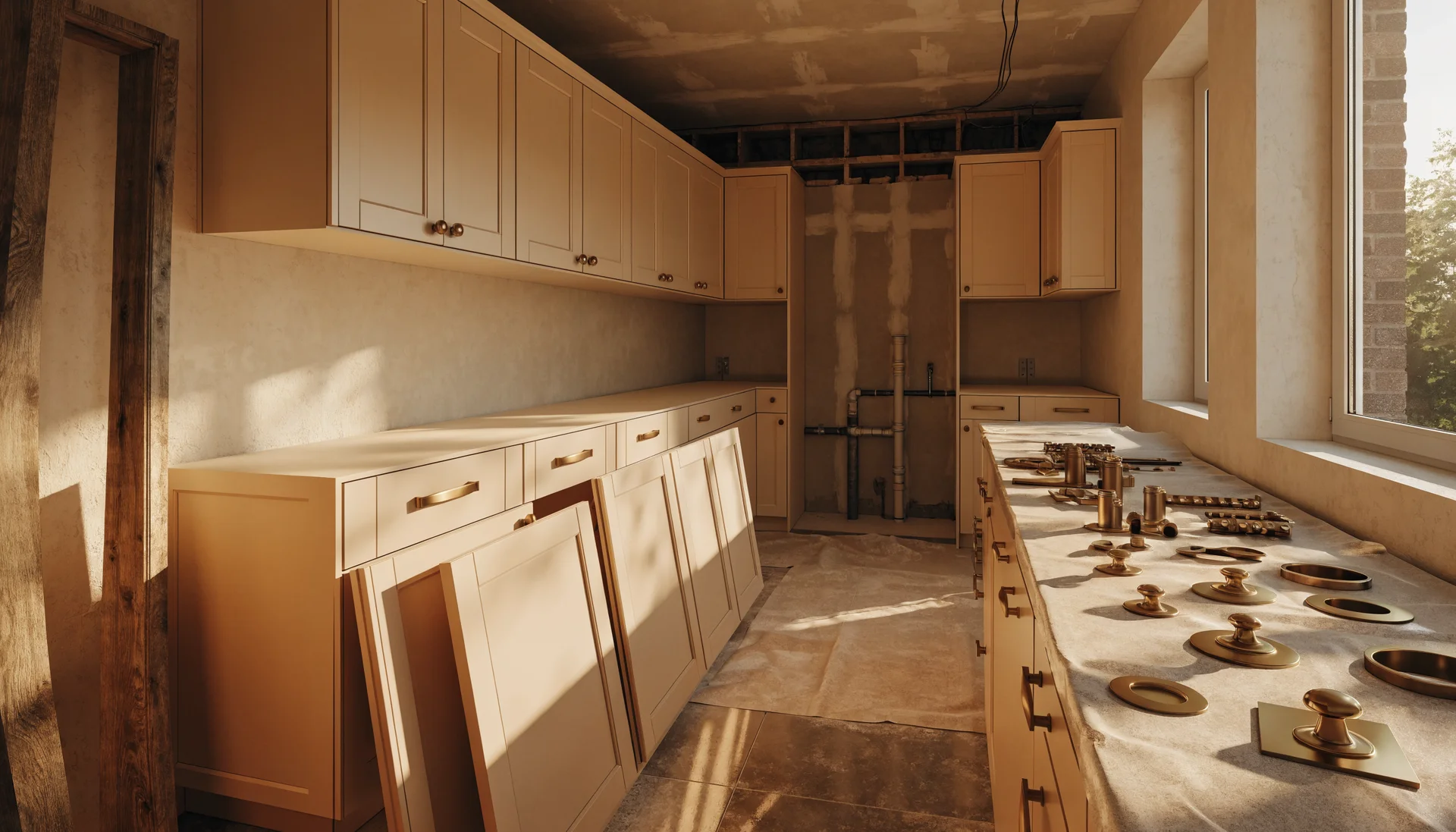
The pull of DIY is real on a whole-house job; who does not want to save some money? But handling it yourself usually looks cheaper only at the start. It takes longer, it is easy to veer off track, and every part of the work, from electrical wiring to plumbing to structural changes, calls for careful craftsmanship that is hard to learn on your own house.
Professionals bring that precision, and they can foresee problems and solve them before they cost anything. They know how to streamline the process and hold a timeline, which is far harder when renovation work is squeezed in between a job and a family. Hiring a professional crew means the project moves forward efficiently, meets every requirement and matches your vision down to the last detail. You are not only paying for labor; you are paying for peace of mind and for quality.
The mistakes that cost the most on whole-house projects are rarely taste mistakes. They are planning mistakes, and the same ones repeat:
Skipping the buffer
A surprise behind a wall becomes a stalled job instead of a line item. Set the 10-20% contingency aside and leave it alone until the end.
Hiring on price alone
The lowest bid is rarely the cheapest project. Quality and reliability pay off more over the life of the job.
Taking on wiring, plumbing or structure yourself
The work that seems cheapest to do yourself is the work that veers furthest off track, and it is where mistakes get expensive.
Choosing materials on looks alone
A finish picked without regard for maintenance and longevity gets replaced, and you buy the material twice.
Skipping the regular meetings
Without a standing check-in, adjustments happen late, and late adjustments land on the timeline and the budget.
Signing off without testing
The walkthrough is your last chance to tweak anything before the final sign-off. Test everything, appliances to taps.
UHS Remodeling brings expertise, efficiency and attentive customer service to every home renovation we take on. Call us and see how we keep a whole-house renovation running smoothly from the first meeting to the last walkthrough.
Where we work
We are based in Plano, with dedicated crews across Plano, Frisco, Allen, Dallas, Highland Park, Prosper and 9 more DFW cities. If the budget step is where you are stuck, start with the 2026 DFW home renovation cost guide, then bring the number to the first conversation so the vision and the budget get planned together.
Questions we get
What is the first step in planning a whole house renovation?
The first step is to define your vision. Determine what you want to achieve, whether it’s increasing space, updating style, or boosting resale value. Gather design inspiration from various sources to map out your ideal home.
How should I set a budget for my whole house renovation?
Analyze your current space and list necessary changes. Check your financial limits and add a 10-20% buffer for unexpected expenses. This ensures you can cover all practical improvements within your budget while being prepared for surprises.
Why is it important to hire a professional for a whole house renovation?
Professionals bring precision, foresee and solve problems, and streamline processes to stick to timelines. Hiring professionals ensures your project moves forward efficiently, meets all requirements, and matches your vision, providing peace of mind and quality.
How do I choose the right materials for my renovation?
Select materials based on aesthetics, functionality, and durability. Opt for high-quality materials that will stand the test of time. Consider maintenance and longevity to ensure your choices are practical and sustainable.
What should I do during the final walkthrough of my renovation project?
Conduct a detailed walkthrough with your contractor to ensure everything is completed satisfactorily. Test every element, from appliances to taps, and ensure all finishes are well-executed. This is your last chance to tweak anything before the final sign-off.
How do I keep a whole house renovation on schedule?
Meet your contractor regularly and watch progress closely, so adjustments are made as the job goes rather than after it. No renovation goes perfectly to plan, so be prepared to make quick decisions when challenges arise; that flexibility is what keeps the project moving. Managing the project proactively is the best protection for both the timeline and the budget.
Decide what the renovation is for before you pick a single finish, put a 10-20% buffer on top of the budget, and get the house onto detailed drawings before anyone swings a hammer. Hire for quality and reliability rather than the lowest bid, meet your contractor regularly, and test everything from appliances to taps before you sign off.
Related from the journal
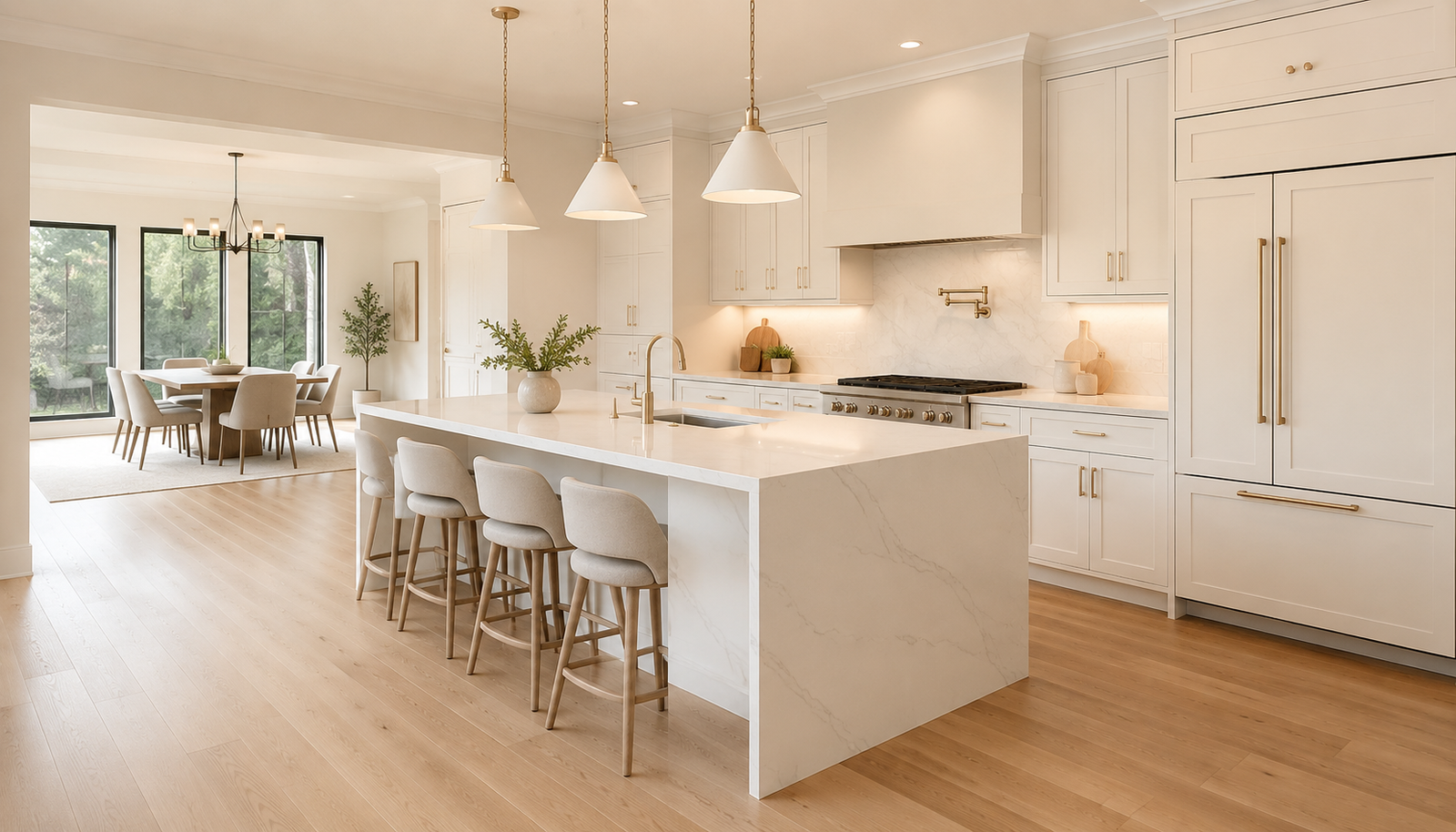


Plan the whole house once, with the crew that will build it from the first sketch to the final walkthrough.
Fully insured · 500+ client reviews · fixed-price contracts · 1-year workmanship warranty.
Prefer to talk? (469) 850-7087 · or use the contact page.