
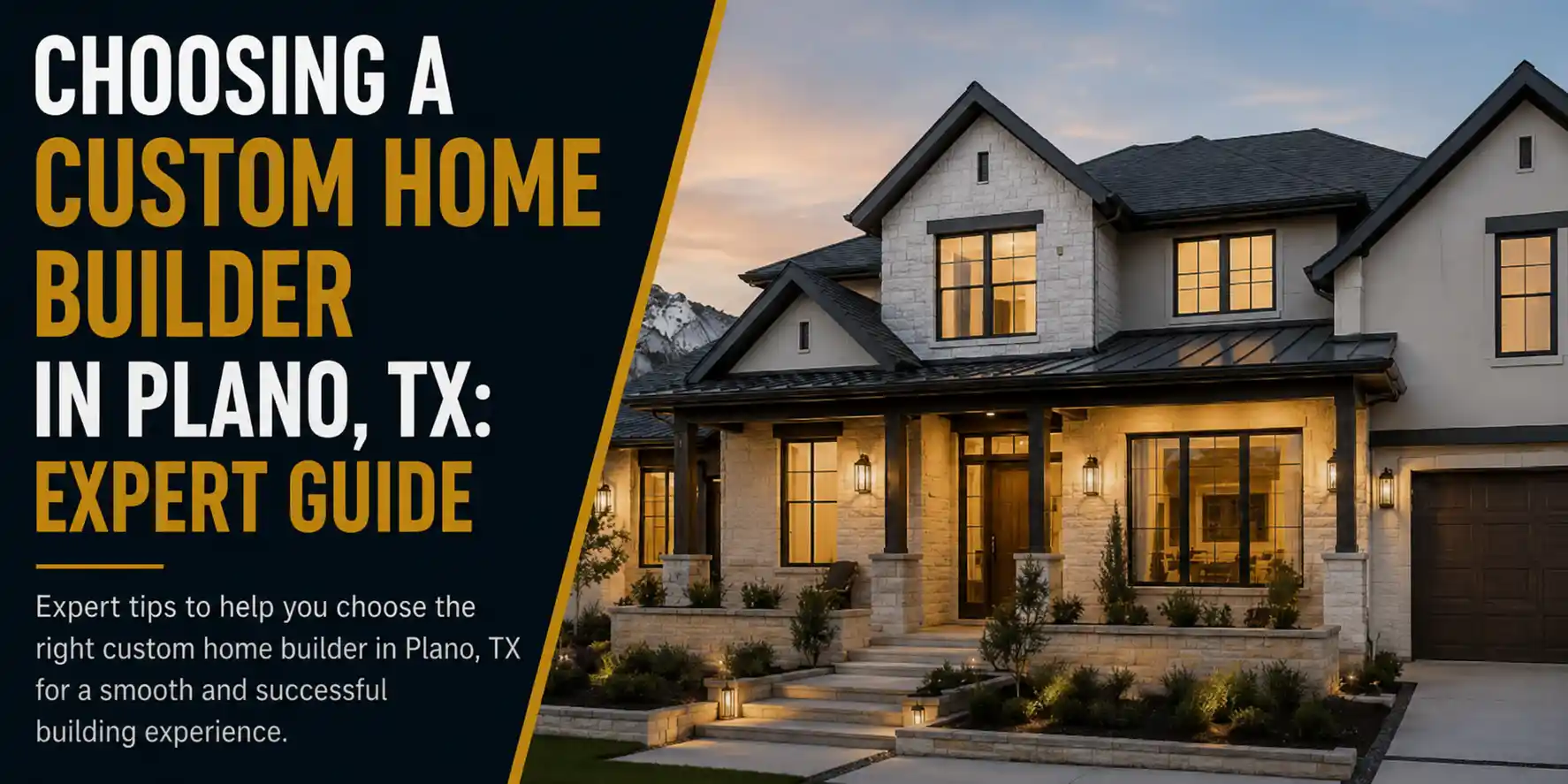
How to Choose the Best Custom Home Builder in Plano, TX
The right builder protects your budget, your timeline and the quality of the finished house. Here is what to check before you sign: insurance, a local portfolio you can visit, a written process and a pricing structure you actually understand.
The best custom home builder in Plano, TX is a locally experienced contractor who carries insurance, prices the job transparently, runs a clear ground-up construction process, and can show you finished custom homes in the DFW area. That sentence is the whole test, and the rest of this guide is about how to apply it before you sign anything. The builder you choose sets your budget, your timeline and the quality of the house you will live in for years, so the comparison deserves more effort than most homeowners give it. This 2026 guide from UHS Remodeling walks through what to look for, what to avoid, and how to compare builders side by side.
Hire the builder who carries insurance, shows you finished Plano homes and prices the job in writing.
A custom home builder designs and builds around your lot and floor plan under one contract, and most custom homes in the Plano area take 8 to 14 months from permitting to move-in. Compare candidates on insurance, portfolio, process transparency, communication and pricing structure. Texas has no state general contractor license, so the insurance check and the written contract carry the weight.
What a custom home builder actually does
A custom home builder designs and builds a house from the ground up around your specific lot, floor plan and finish choices, rather than from a fixed catalog of designs. A production builder does the opposite: it repeats a limited set of floor plans across a subdivision, and the efficiency you gain comes at the cost of the decisions you give up.
Residential home construction follows the same broad sequence no matter who runs it: site preparation, foundation work, framing, systems installation and finish work, all coordinated by a general contractor. What separates a true residential custom home builder is who holds the contract. One builder manages the architects, engineers and subcontractors, which gives you a single point of accountability for ground-up home construction from permitting through the final walkthrough. When something goes wrong at the framing stage, there is one phone number to call, and that matters more than anything in a brochure.
Why the builder choice matters more than the floor plan
A home build is one of the largest financial and personal investments a Plano homeowner will make, and the wrong builder is how it goes wrong: blown budgets, missed deadlines, and construction defects that cost tens of thousands to fix later. A qualified home construction contractor prevents those problems the unglamorous way, with insurance, permits and a track record of finished projects you can go and look at.
Four things a good builder protects:
- Your budget. Experienced builders provide accurate estimates and flag hidden costs before construction starts, not after the slab is poured.
- Your timeline. Established builders have subcontractor relationships that keep the schedule on track. A builder without them is the one waiting on a framer while your construction interest runs.
- Code compliance. Local builders already understand Plano’s permitting requirements and inspection process, so inspections are milestones rather than surprises.
- Long-term value. Quality construction protects resale value and reduces future repair costs, which is the part of the budget nobody prices at bid time.
The pattern in all four is timing. The builder who prevents a problem is cheaper than the builder who fixes it, and the difference between them is decided in the weeks before the contract is signed, not during the build.
How the custom home building process works
A professional custom home development follows a consistent sequence, whoever the builder is. Ask every candidate to walk you through it in their own words. A builder who cannot explain the order of their own work is telling you something useful.
Consultation and site evaluation
Assess the lot, the soil and local zoning requirements before a single drawing is made. Site conditions decide the foundation, and the foundation decides a large share of the budget.
Design and floor plan development
Usually with an architect or in-house designer, working from how you live rather than from a template.
Budgeting and contract signing
The contract should carry a clear permits plan for Plano, the pricing structure and the change order policy. If any of those is missing, you are not ready to sign.
Site preparation and foundation work
The base for the entire structure, and the stage where site conditions stop being theoretical.
Framing, roofing and exterior enclosure
The house becomes weathertight, which is the point at which weather stops controlling the schedule.
Mechanical, electrical and plumbing rough-in
Everything that lives inside the walls goes in before the walls are closed. Changes after this point cost real money.
Interior finishes
Cabinetry, flooring and fixtures, in the order the trades need rather than the order you are most excited about.
Final inspections and walkthrough
The last step before turnkey home construction is complete and the keys change hands.
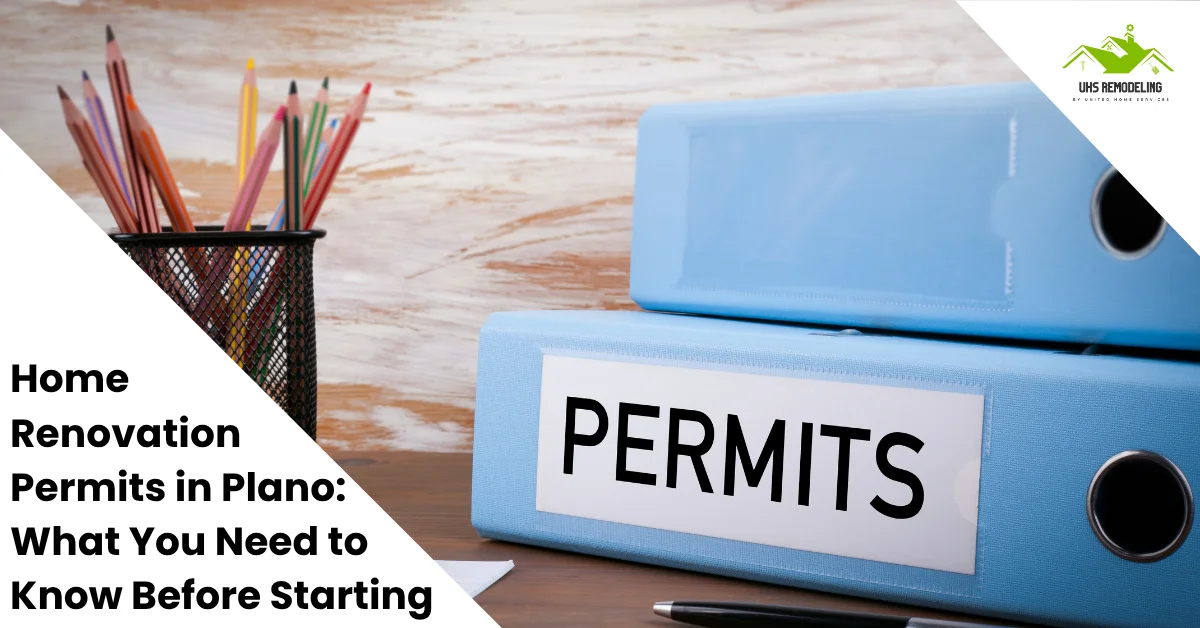
The permitting piece belongs in the contract, not in a later conversation. Our guide to home renovation permits in Plano covers what the city expects and where projects tend to get stuck.
If you want a smaller version of this process, an ADU or casita or a second-story addition follows the same phased approach on a smaller footprint. The sequence does not change, only the scale does, and our Plano home remodeling and additions page shows how those smaller projects are scoped.
Not sure which of these applies to your house? A short conversation settles it faster than any calculator.
What a professional builder gives you that the other routes cannot
A professional custom home builder delivers things a DIY approach or a contractor without insurance cannot match, and most of them are invisible in the finished photos:
- Personalized design. Every wall, layout and finish reflects how you actually live, not a pre-set template.
- Single point of accountability. One contract covers design, permitting and construction, instead of you refereeing between separate vendors when a problem lands between them.
- Better materials access. Established builders have supplier relationships that improve pricing and availability, and that shows up as fewer substitutions late in the job.
- Warranty in writing. Reputable builders back their work with structural and workmanship warranties, stated in the contract rather than promised in the driveway.
- Local code expertise. A local custom home builder already understands Plano and DFW-specific requirements, so the inspector is not the one teaching them.
That single-contract model is how we run home remodeling in Plano, TX as well, from whole-home renovations to major additions, and it is the first thing to look for in any builder you interview.
The mistakes that turn a build into a dispute
The same handful of mistakes account for most budget overruns and construction disputes, and every one of them happens before the contract is signed:
Choosing on price alone
The lowest bid often means missing scope items that surface as change orders later, priced at the moment you have the fewest alternatives.
Skipping the insurance check
Contractors without insurance leave you exposed to liability and poor workmanship, and the exposure is yours, not theirs.
No written contract
Verbal agreements create disputes over scope, cost and timeline, and memory is a poor witness on all three.
Ignoring red flags
The warning signs that apply to remodeling contractors apply to home builders too. Ignoring them because the portfolio looked good is how most bad hires start.
Not asking enough questions
The interview is where you find out how a builder communicates before you are committed to them. Use the questions you would ask a remodeling contractor as the starting point for builder interviews.
Our guide to red flags when hiring a remodeling contractor lists the warning signs in detail. Read it before the second meeting, not after the deposit.
A bid that is missing scope is not a lower price. It is the same price with a later invoice date.
What drives custom home building cost in Plano
Custom home building cost in Plano depends on lot size, square footage, finish level and site conditions like foundation type. A luxury custom home builder project with high-end finishes costs significantly more per square foot than a standard build. Home renovation cost per square foot data gives a general sense of scale, but new construction and remodeling pricing differ, so treat renovation numbers as a reference and not as a quote. In practice, the finish-level conversation is the one to have first, because it moves the per-square-foot number more than anything else you control once the lot is chosen.
Financing structure also affects total cost. A ground-up build is usually funded through a draw schedule, with interest costs running during construction, so review your home remodeling financing options in Plano before signing a contract and understand how the draws line up with the build phases above. A builder who cannot tell you when each draw lands has not planned the schedule as tightly as the sales conversation suggested.
I would rather lose a bid than bury a scope item in an allowance and price it later. If a figure has to change after signing, the change order that explains it should exist before the work does.
Tell us what you are planning. We will walk your house, tell you what is actually possible, and put a real number on it before you commit to anything.
Or read the numbers first: home remodeling in Plano, TX.
How to compare builders: the five factors
Compare every candidate across the same five factors. A fixed list keeps the comparison honest when one builder simply has a better sales pitch than another.
Insurance and credentials
Check for liability and workers’ comp coverage, and ask to see the coverage in writing rather than taking the answer on faith. Texas has no state general contractor license, so the insurance check is doing the work a license would do elsewhere. It protects you from legal and financial risk during construction.
Portfolio and experience
Completed custom homes in Plano and DFW, and years in business. Real capability shows up as addresses you can drive past, not as marketing claims. Ask for the addresses as well as the photos, and ask how many of those homes were ground-up builds rather than remodels; they are different jobs, and the portfolio should say which is which.
Process transparency
A written contract, defined design and build phases, and a change order policy you have actually read. This is what prevents surprise costs and scope confusion, and it is the easiest factor to test: ask for the documents, and see how long they take to arrive.
Communication style
A single point of contact, regular updates and a known response time. A multi-month ground-up build runs on the builder’s habits, and the habits you see in the first week are the ones you will live with to the end. Ask who you will actually be talking to once the contract is signed, because that can be a different person from the one who sold you the job.
Pricing structure
Fixed price versus cost plus, and how allowances for finishes are set. This is the factor that determines how budget overruns are handled, which is another way of saying who pays for them.
Many homeowners also research builder reputations on community sites like Quora, where real buyers share experiences with local contractors. Cross-check any candidate against our guide to finding a reputable remodeling contractor in Plano, since the same vetting standards apply to custom home builders.
Build the right home with the right builder
Choosing the best custom home builder in Plano comes down to confirmed insurance, a real local portfolio, transparent pricing and clear communication from start to finish. None of those is hard to check; they are only easy to skip. UHS Remodeling brings that same standard of accountability to every project across Plano and the DFW area, whether the job is a full custom build, a whole-home renovation or a major addition, and you can see how we structure that work on our home remodeling in Plano page. Contact us to start planning your custom home with a team that treats your project like their own.
Questions we get
What is the difference between a custom home builder and a production builder?
A custom home builder designs and constructs a home around the client’s specific lot and preferences, while a production builder repeats a limited set of floor plans across a subdivision. Custom builders offer more personalization but typically require a longer timeline and higher per-square-foot cost.
How do I find a local custom home builder near me in Plano?
Start by confirming insurance coverage, reviewing completed local projects, and reading customer reviews. A local custom home builder near me should have an established presence in Plano or the greater DFW area, with a portfolio of homes you can visit or view in detail.
How long does it take to build a custom home?
Most custom homes in the Plano area take 8 to 14 months from permitting to move-in, depending on size, design complexity, and weather delays. Larger luxury custom home builder projects with extensive customization can take longer than a standard new home construction timeline.
Is it cheaper to build a custom home or buy an existing one?
Costs vary by market conditions, but custom home construction often costs more upfront than buying an existing home of similar size. The trade-off is a home built exactly to your needs, modern systems, and lower near-term maintenance costs compared to an older resale property.
What questions should I ask a custom home builder before hiring?
Ask about insurance, project timeline, pricing structure, and how change orders are handled. Request references from recent Plano clients and ask to see a completed custom home in person whenever possible before signing any construction contract.
Does a custom home builder in Texas need a state license?
Texas has no state general contractor license, which is why the insurance check carries so much weight. Confirm liability and workers’ comp coverage and ask to see it in writing. A written contract with defined design and build phases and a change order policy does the rest of the job a license would do elsewhere.
What should a custom home contract include?
A written contract should define the design and build phases, the pricing structure (fixed price or cost plus, with allowances for finishes), the change order policy, and a clear permits plan for Plano. It should also state the structural and workmanship warranties the builder stands behind. If any of those is missing, the disputes it would have prevented are still ahead of you.
Confirmed insurance, a real local portfolio, transparent pricing and clear communication, in that order. The cheapest bid is usually the least complete one, and a verbal agreement is a dispute waiting for a date. Check the five factors before you sign, not after the slab is poured.
Related from the journal
Plan your custom build with a team that treats it like their own in Plano and across DFW.
Fully insured · 500+ client reviews · fixed-price contracts · 1-year workmanship warranty.
Prefer to talk? (469) 850-7087 · or use the contact page.