
How Plano Remodeling Contractors Ensure Quality Work: The QC Process Behind a Successful Remodel
Quality in a remodel is not a promise on a flyer. It is a five-stage process you can inspect before you sign. Here is how that process runs on a Plano job, and what to verify before you hire anyone.
Home remodeling contractors in Plano ensure quality work the same way on every project that lasts: skilled craftsmanship, a detailed plan settled before demolition, strict material standards, and quality checks on site at every phase, not a single inspection at the finish line. UHS Remodeling applies that exact approach on every job, from a single bathroom refresh to a whole-home renovation, because the alternative is the one Plano homeowners know too well: work that looks finished at the walkthrough and starts failing a few seasons later, followed by costly rework.
Quality is a process you can inspect, not a promise you have to trust.
A quality remodel is checked at every phase (after framing, after rough-in, after finish), not once at the end. And because Texas has no statewide general-contractor license, the credentials that matter are insurance, references, permit history, and Texas-licensed trades on the plumbing, electrical and HVAC.
This guide walks through what separates a quality remodeling contractor from an average one, how the quality-control process actually runs on site, and what to verify before you hire anyone.
What a Home Remodeling Contractor in Plano Actually Does
Home remodeling contractors are the professionals who plan, manage and execute structural and cosmetic changes to a home: kitchens, bathrooms, additions, whole-house renovations. The title, though, tells you almost nothing on its own, and in Texas that matters more than most homeowners realize.
There is no statewide general-contractor license in Texas. The credentials that actually protect you are insurance, references, permit history, and confirmation that the plumbing, electrical and HVAC work is performed by Texas-licensed trades.
A full-service remodeling contractor coordinates every part of a project under one point of accountability: design, permitting, demolition, framing, electrical and plumbing coordination, and finish work. That is the structural difference between a remodeling company and a single-trade handyman, and it is the difference that decides who answers when something between two trades goes wrong. When the tile setter and the plumber disagree about a drain height, somebody has to own the answer. On a well-run job, that somebody is the contractor, not the homeowner.
For a broader look at what these services include, see what our home renovation services in Plano cover step by step, and our full guide to home remodeling in Plano, TX.
Why Quality Control Matters in Home Remodeling
Poor quality control in a remodeling project leads to structural issues, code violations, and costly repairs within a few years of completion. The mechanism is rarely dramatic. It is a sequence of small shortcuts (a skipped moisture barrier here, a rushed cabinet install there), each invisible on the day of the final walkthrough and each guaranteed to surface later.
Plano’s climate makes the surfacing faster. Hot, humid summers and occasional freezing winters put real stress on materials and construction methods. A contractor who skips proper waterproofing, ventilation or moisture barriers will see the problems arrive on schedule: warped cabinets, cracked grout, mold behind drywall.
The common consequences of low-quality remodeling work follow the same pattern:
- Water damage from improper sealing or flashing
- Uneven flooring or cabinetry from rushed installation
- Electrical and plumbing code failures discovered during resale inspections
- Reduced home value instead of the expected increase
What all four have in common is timing: each one is cheap to prevent while the walls are open and expensive to fix once they are closed. That is the entire argument for quality control as a process rather than a promise. Homeowners weighing a project should start by reviewing the signs your home needs remodeling , then understand the red flags in a contractor before signing anything.

“I walk every Plano job myself the day before the drywall goes up, because that is the last time anyone sees the blocking, the waterproofing and the rough-in without cutting a hole. Caught at that walk, a problem costs an afternoon; caught after tile, it costs a tear-out.”
The Five-Stage Quality-Control Process
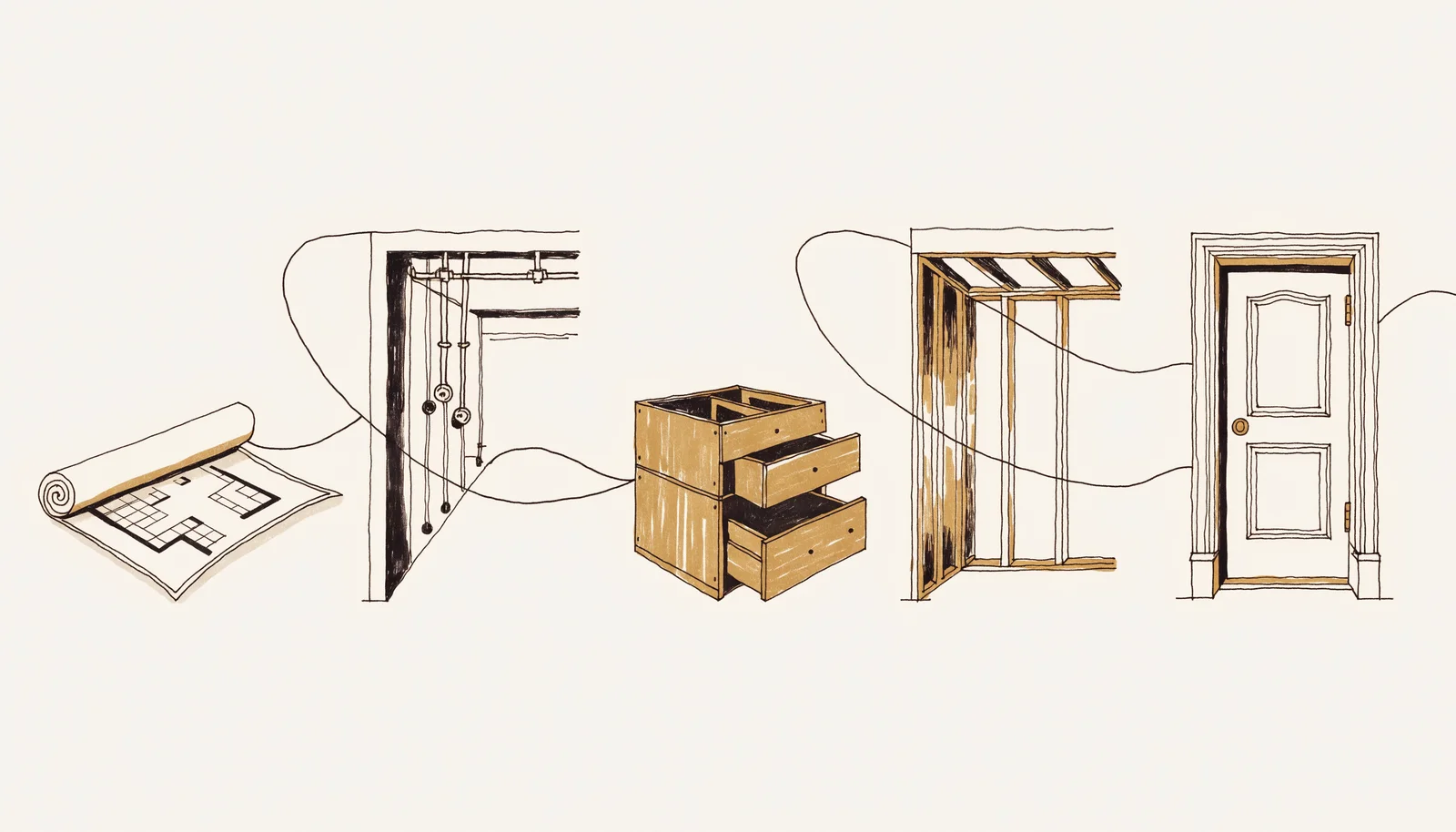
Professional home remodeling contractors ensure high-quality work through a structured, five-stage process: planning, qualified trade labor, material vetting, phase inspections, and a final walkthrough. None of the five stages is exotic. What separates contractors is whether all five actually happen on every job, in order, with someone accountable for each. That begins with the plan. Our approach to planning a successful whole-house renovation shows what a properly scoped plan looks like before a hammer swings.
Detailed project planning
Every project starts with a scoped plan covering timeline, materials and budget before any demolition begins. The plan is a quality tool, not paperwork: a decision made on paper costs nothing to change, while the same decision made mid-demolition costs labor, material and schedule.
Licensed trades for regulated work
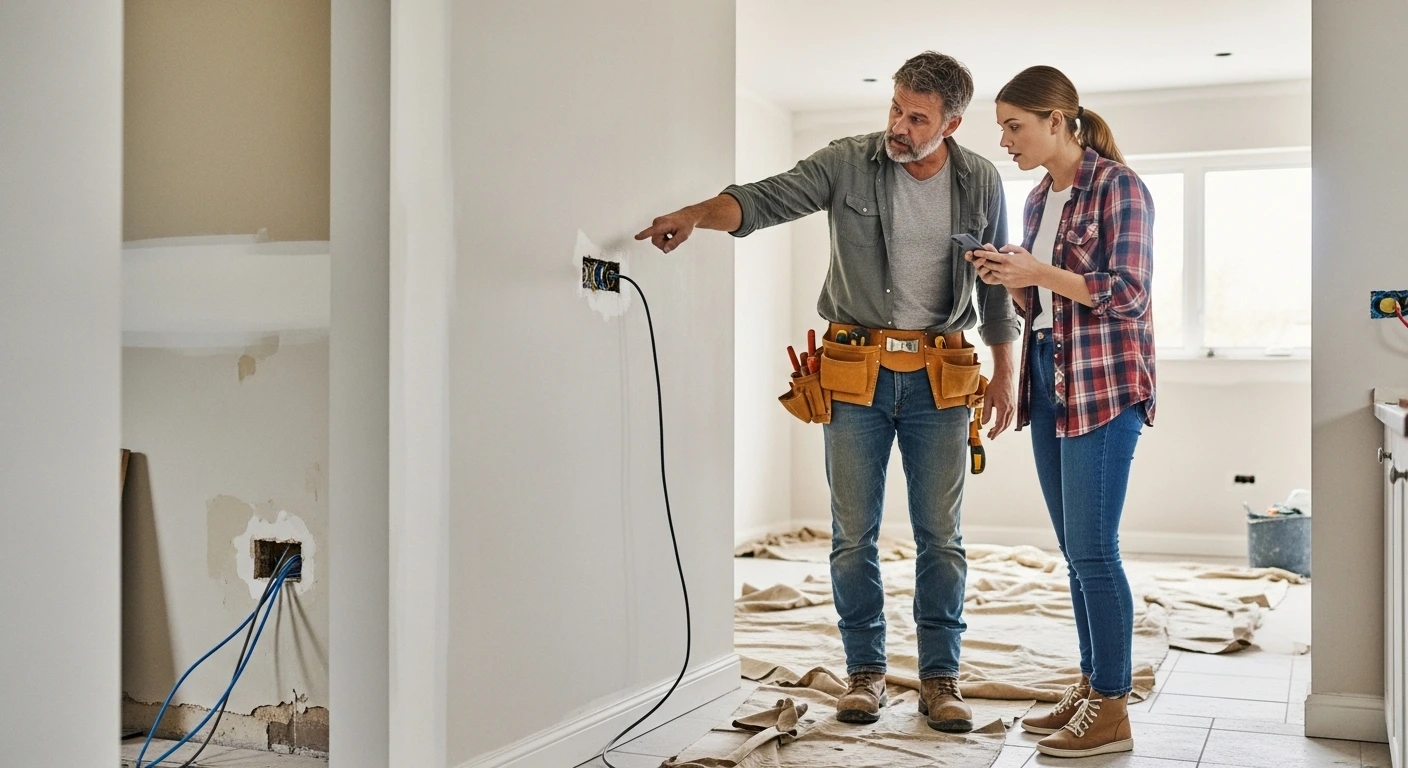
Plumbing, electrical and HVAC work is performed by Texas-licensed trades, while experienced carpenters handle structural and finish work. Matching the trade to the task is the quality decision most invisible to the homeowner and most consequential behind the walls.
Material vetting before installation
Cabinets, countertops, flooring and fixtures are checked against durability standards before installation, not after. A flawed cabinet caught on the pallet is an exchange; the same cabinet caught after install is a tear-out.
Phase inspections
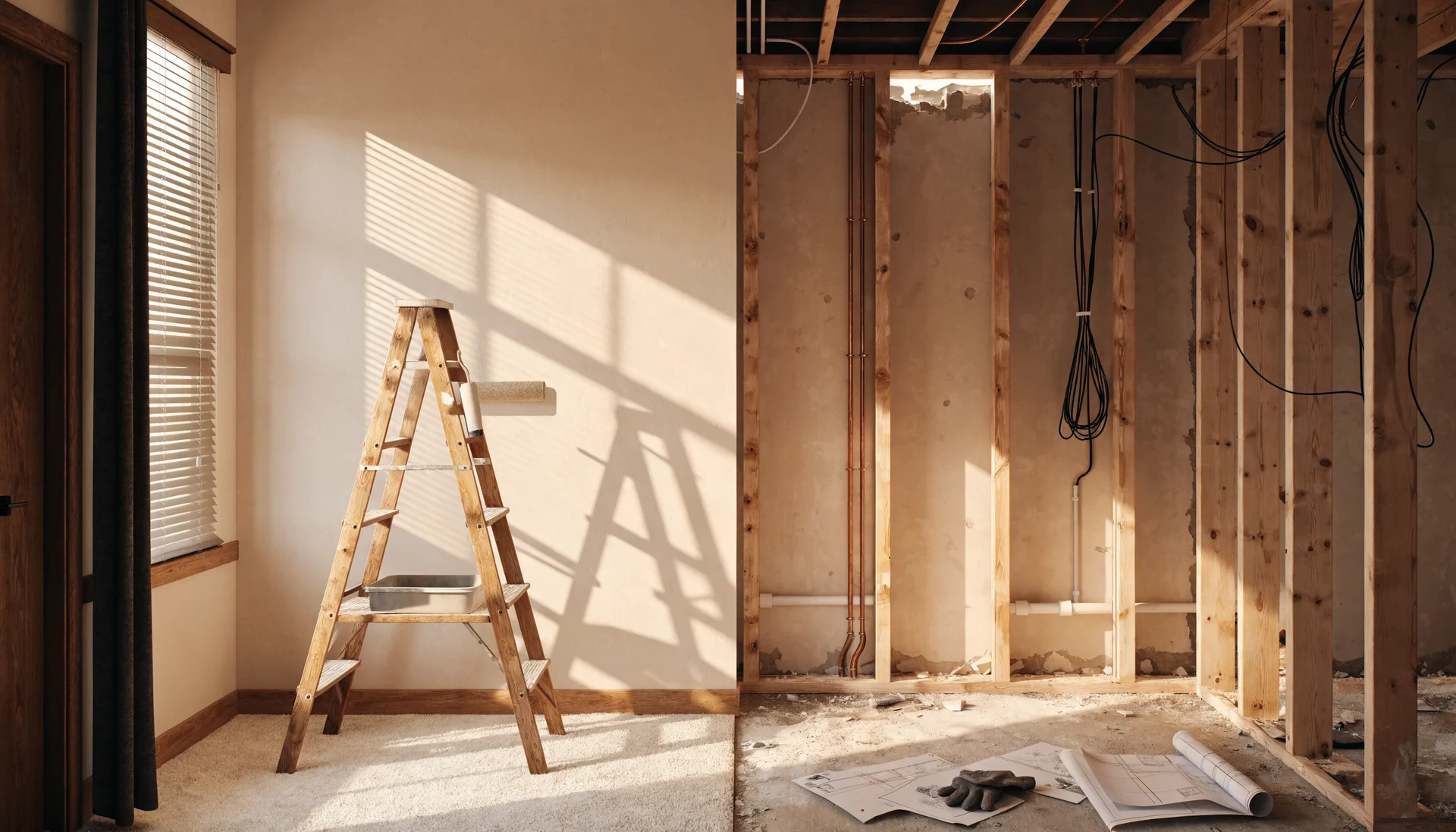
Work is inspected after framing, after rough-in, and after finish stages, not just at project completion. Each checkpoint exists because the work it inspects is about to be covered up and become expensive to reach.
Final walkthrough with the homeowner
The homeowner reviews every completed area with the project lead before final sign-off. By this point the walkthrough should confirm quality, not discover its absence; the earlier checkpoints did the discovering.
This structured approach is why UHS Remodeling is recognized among the best home remodeling contractors in Plano. The process is not a marketing flourish; it is the reason the work holds up after the crew leaves.
Not sure which of these applies to your house? A short conversation settles it faster than any calculator.
What Quality-Focused Contractors Buy You
Working with an experienced, insured remodeling company protects the investment and shows up in ways a homeowner can actually measure:
- Fewer callbacks and repairs. Proper installation the first time avoids the cycle of repeat service visits.
- Higher resale value. Quality kitchen and bathroom work consistently ranks among the top renovations buyers care about in 2026.
- Code compliance. Professional contractors pull proper permits, which avoids problems during a future home sale.
- Warranty protection. Reputable remodeling companies stand behind their work with clear written terms. UHS Remodeling backs its work with a 1-year workmanship warranty.
- Realistic timelines. Experienced contractors set accurate schedules and communicate delays honestly, because a schedule built on optimism fails everyone on it.
For homeowners weighing return on investment, our guide to the best kitchen upgrades for ROI in 2026 breaks down which projects add the most value. The pattern across that data is consistent with everything above: the projects that return their cost are the ones executed well, because a buyer’s inspector is the one audience that quality shortcuts never survive.
Remodeling Mistakes That Cost Plano Homeowners
The most common remodeling mistakes come from hiring unvetted, uninsured contractors, skipping permits, and choosing the lowest bid without checking quality standards. Each of these warning signs is visible before a contract is signed, which is exactly when it is still free to act on:
Unusually low bids
Often a sign of corner-cutting on materials or labor. A bid meaningfully below the others is not a discount; it is a description of what will be left out.
No written contract or timeline
Leaves no accountability if the work stalls. What is not written down cannot be enforced, and everyone’s memory of a verbal promise improves in their own favor.
Skipped permits
Creates legal and resale problems later. Unpermitted work does not disappear. It waits for the next inspection to be discovered.
Vague material specifications
“Similar quality” language allows substitutions without your approval. If the contract does not name the product, the contract does not contain the product.
No phase inspections
Problems go undetected until finish work is already complete, at which point fixing them means undoing finished work you already paid for.
Before signing a contract, review the signs a contractor is cutting corners on your renovation and work through the questions to ask a remodeling contractor in Plano. Either list changes the conversation you have across the table.
Permits and Building Standards in Plano
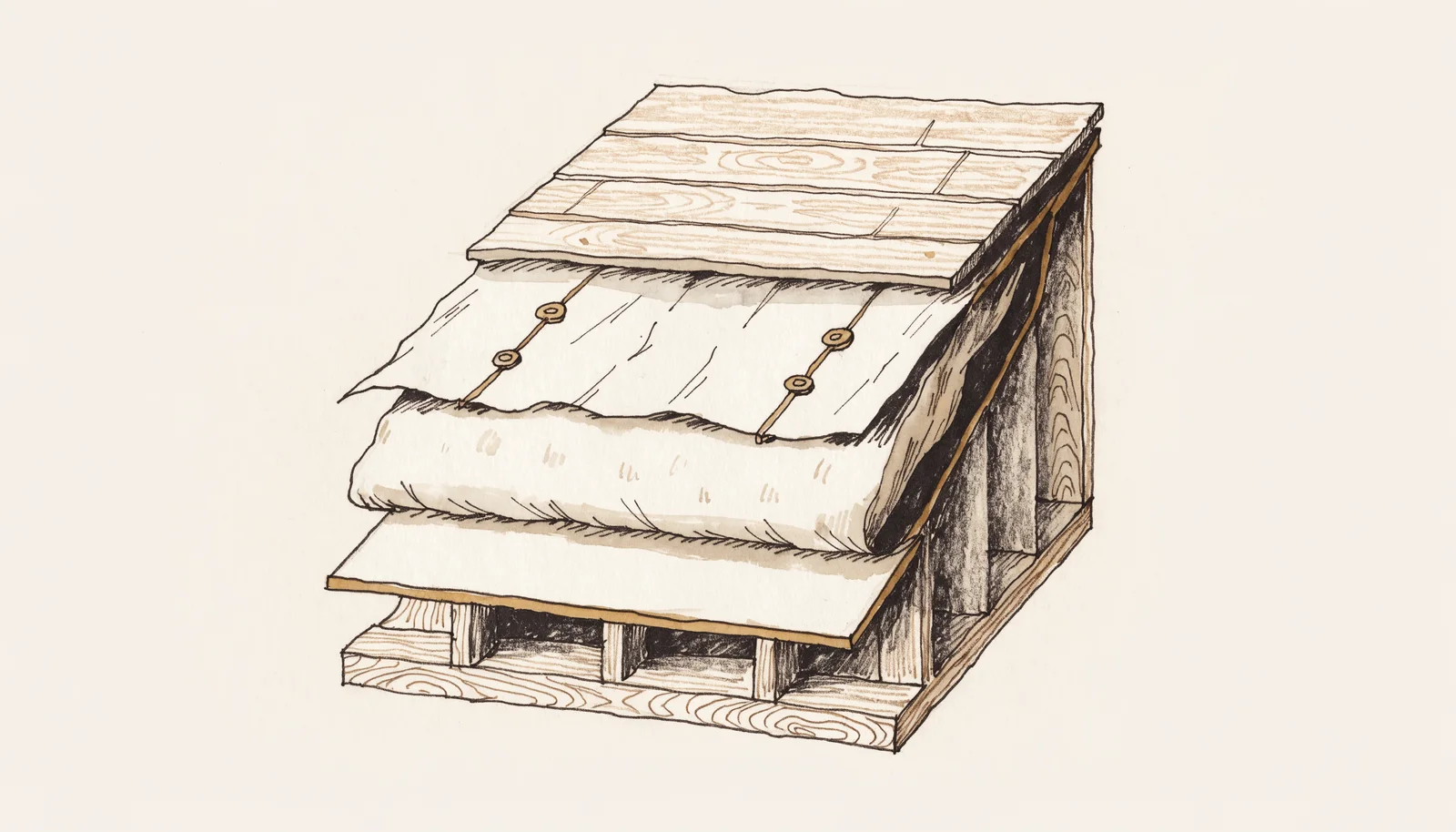
Most Plano remodeling projects that involve structural changes, electrical updates, plumbing modifications or additions require city permits and must follow local building codes. The permit is not bureaucratic friction; it is the only quality check on the project performed by someone with no financial stake in the outcome.
A professional contractor handles the permit paperwork, schedules the city inspections, and keeps the project compliant from demolition through final sign-off, with the regulated portions performed by Texas-licensed trades. Skipping this step creates real problems later: failed resale inspections, denied insurance claims, and unpermitted work that has to be opened up and redone. A contractor who suggests skipping permits is not saving you money; they are transferring their risk onto your house.
How a Structured Process Protects Your Budget
Accurate budgeting starts with evaluating the home’s existing condition and scoping the full project before work begins, not discovering costs mid-demolition. The order of operations is the whole trick: every dollar of scope identified before demolition is a dollar that can be planned, traded or declined, while the same dollar discovered mid-project can only be paid.
A quality-focused contractor prices the complete scope up front, flags the likely hidden issues (aging wiring, slab plumbing) before demolition, and recommends material alternatives that hold the quality standard while keeping the project on budget.
UHS Remodeling works on fixed-price contracts, so the number you sign is the number you pay. A contractor who carries the pricing risk has every reason to scope carefully before demolition; a contractor billing open-ended has none.
Home remodeling costs in Plano vary with project scope, material selection, structural changes and labor complexity. As a frame of reference, the ranges we work to run $25K–$95K for kitchens, $8K–$60K for bathrooms, $95K–$350K for whole-home remodels and $120K–$400K for additions. Industry remodeling-impact studies consistently show that well-executed kitchen and bathroom remodels recover a strong share of project cost at resale. Contractor quality is a financial decision, not just an aesthetic one. For detailed budget ranges by project type, see the DFW remodeling cost guide, and for what those budgets buy in this city specifically, our page on home remodeling in Plano covers kitchens, baths and additions together.
Tell us what you are planning. We will walk your house, tell you what is actually possible, and put a real number on it before you commit to anything.
Or read the numbers first: home remodeling in Plano, TX.
Timelines, Living at Home, and the Tax Question
Three practical questions arrive with almost every Plano project, and all three have process answers rather than sales answers.
On duration: a full home remodel in Plano typically takes 3 to 9 months, depending on scope, permitting timelines and material lead times, while kitchen-only or bathroom-only projects usually take 3 to 8 weeks. The whole-home renovation timeline breaks the sequence down phase by phase. A contractor who quotes a schedule far shorter than these ranges is describing the calendar they hope for, not the one the permits and lead times will allow.
On staying put: living in the house during a remodel is workable for partial renovations but much harder during whole-house projects involving plumbing or electrical shutoffs. Planning around it is part of the scoping conversation, not an afterthought; our guide to living in your house during remodeling covers the practical side.
On taxes: most home renovations are not immediately tax deductible, though some upgrades (energy-efficient improvements, home office additions) may qualify for specific credits or deductions. See are home renovations tax deductible for the details, and consult a tax professional for your situation.

How to Choose Between Remodeling Contractors in Plano
Choose a home remodeling contractor based on insurance, portfolio quality, transparent contracts and verifiable local references, not just price. The checklist is short, and every item on it can be verified in an afternoon:
Verify insurance and trade credentials
Confirm insurance coverage, permit history, and that Texas-licensed trades handle the plumbing, electrical and HVAC work. In a state with no general-contractor license, this is the vetting.
Review a local portfolio
Ask for completed Plano-area projects similar to your scope. Local work shows how the contractor handles this climate and this city’s inspection process, not a generic one.
Request a detailed written estimate
Avoid contractors who only provide verbal pricing. The estimate is the first sample of the contractor’s process you get to inspect. Vague now means vague later.
Ask about phase inspections
Quality contractors welcome mid-project scrutiny. The answer to this question tells you more than any brochure.
Read the warranty terms
Understand what is covered and for how long, in writing, before you sign.
For step-by-step guidance on the vetting itself, see how to find a reputable remodeling contractor in Plano.
High-quality remodeling work comes down to one thing: a contractor who treats every phase of the project (planning, labor, materials, inspection) with the same level of care. That is the standard UHS Remodeling builds to on every Plano project, and the fastest way to test it against your own project is to bring us the scope through our contact page and ask to see the process before you ask for the price.
Questions we get
What makes a home remodeling contractor trustworthy?
A trustworthy home remodeling contractor carries liability insurance, provides detailed written contracts, offers verifiable references from completed local projects, and uses Texas-licensed trades for plumbing, electrical and HVAC work. Since Texas has no statewide general-contractor license, these are the credentials that matter. Trusted contractors also run phase inspections rather than waiting until the project ends to check quality.
How do I know if my remodeling contractor is cutting corners?
Watch for rushed timelines, vague material specifications, skipped permits, and reluctance to allow mid-project inspections. A contractor who avoids written documentation or pressures you into quick decisions is showing you the process you will get for the rest of the job. That is the signal to pause and re-verify before more work is covered up.
Are home renovations tax deductible in Plano, TX?
Most home renovations are not immediately tax deductible, but some upgrades, like energy-efficient improvements or home office additions, may qualify for specific credits or deductions. The rules depend on your situation, so treat any contractor’s tax claim as a question for a tax professional, not a line item on an estimate.
How long does a full home remodel take in Plano?
A full home remodel in Plano typically takes 3 to 9 months, depending on scope, permitting timelines and material lead times. Kitchen-only or bathroom-only projects usually take 3 to 8 weeks. A quality-focused contractor sets the schedule from the permit calendar and material lead times, then communicates delays honestly rather than quoting the shortest number that wins the job.
Is it better to live in the house during a remodel?
Living in the house during a remodel is possible for partial renovations, but it becomes much more difficult during whole-house projects that involve plumbing or electrical shutoffs. The honest answer depends on which systems go offline and for how long, which is exactly why it should be settled during scoping, when the phasing can still be planned around it.
Every phase of a remodel (planning, labor, materials, inspection) either gets the same level of care or the work only holds up until the final walkthrough. Ask any contractor to show you their quality-control process before you ask for their price; the answer tells you which kind of job you are buying.
Related from the journal

See the process before you see the price on a fixed-price plan for your Plano remodel.
Fully insured · 500+ client reviews · fixed-price contracts · 1-year workmanship warranty.
Prefer to talk? (469) 850-7087 · or use the contact page.