
11 Warning Signs Your House Needs Renovation
Eleven signals, from a foundation crack to a kitchen that no longer matches how you live, rated by urgency and payoff, with the timelines and budget rules a Plano homeowner needs once the signs add up.
Most houses announce that they need renovation long before anything actually fails. A crack that was not there last year, closets that no longer close, a utility bill that keeps climbing, a kitchen built for a different way of living: each one is a signal, and each is cheaper to answer early than late. This guide walks through 11 warning signs that a house needs renovation, rates each one by urgency and payoff, and lays out how a Plano homeowner should sequence, schedule, and budget the work once the signs start adding up.
If more than one sign is showing, it is time to plan, and structural damage always goes first.
Structural damage, an inefficient floor plan, a family that has outgrown the house, dated kitchens and baths, and an upcoming sale are the high-urgency signs. Storage, utility bills, and feeling cramped are moderate. Outdated decor, worn finishes, and a lack of personalization can wait for a later phase. Rank them, then build the timeline and budget around the top of the list.
Why recognizing remodeling signs early matters
Ignoring early remodeling signals gets expensive. A small crack or a minor leak can grow into a structural issue or a major system failure, and deferred repairs strain your wallet while pulling down your property value over time. Identifying the need for home renovation services in Plano earlier turns a crisis into a choice you get to make on your own schedule.
Preventative renovation keeps the house safe, comfortable, and efficient. The point is not to remodel for its own sake. It is to make sure the minor issues of this year do not become the major regrets of a later one. The eleven signs below run from the cosmetic to the structural, and the decision matrix that follows them tells you which ones can wait.
11 signs you should consider a home remodel
If your home no longer meets your needs or feels stuck in the past, you are not alone. Some of these signs are subtle shifts and some are urgent, and most houses show more than one at a time. Here is what to look for before you start collecting home remodeling and renovation ideas.
1. Outdated interior design
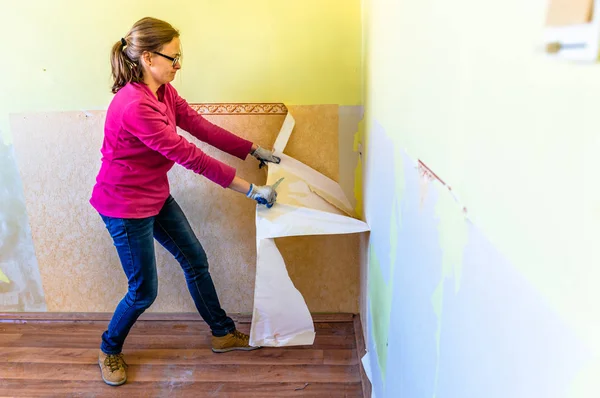
Carpeted bathrooms, popcorn ceilings, and heavy drapes date a house to a specific decade, and guests and buyers read that date instantly. Design has moved toward open floor plans, mid-century modern lines, and clean, minimalist finishes. If your rooms lack those updates, modernization can start small: swapping out tired wallpaper, dated flooring, and old light fixtures revives a living space quickly and brings it into the present.
2. Structural damage or wear
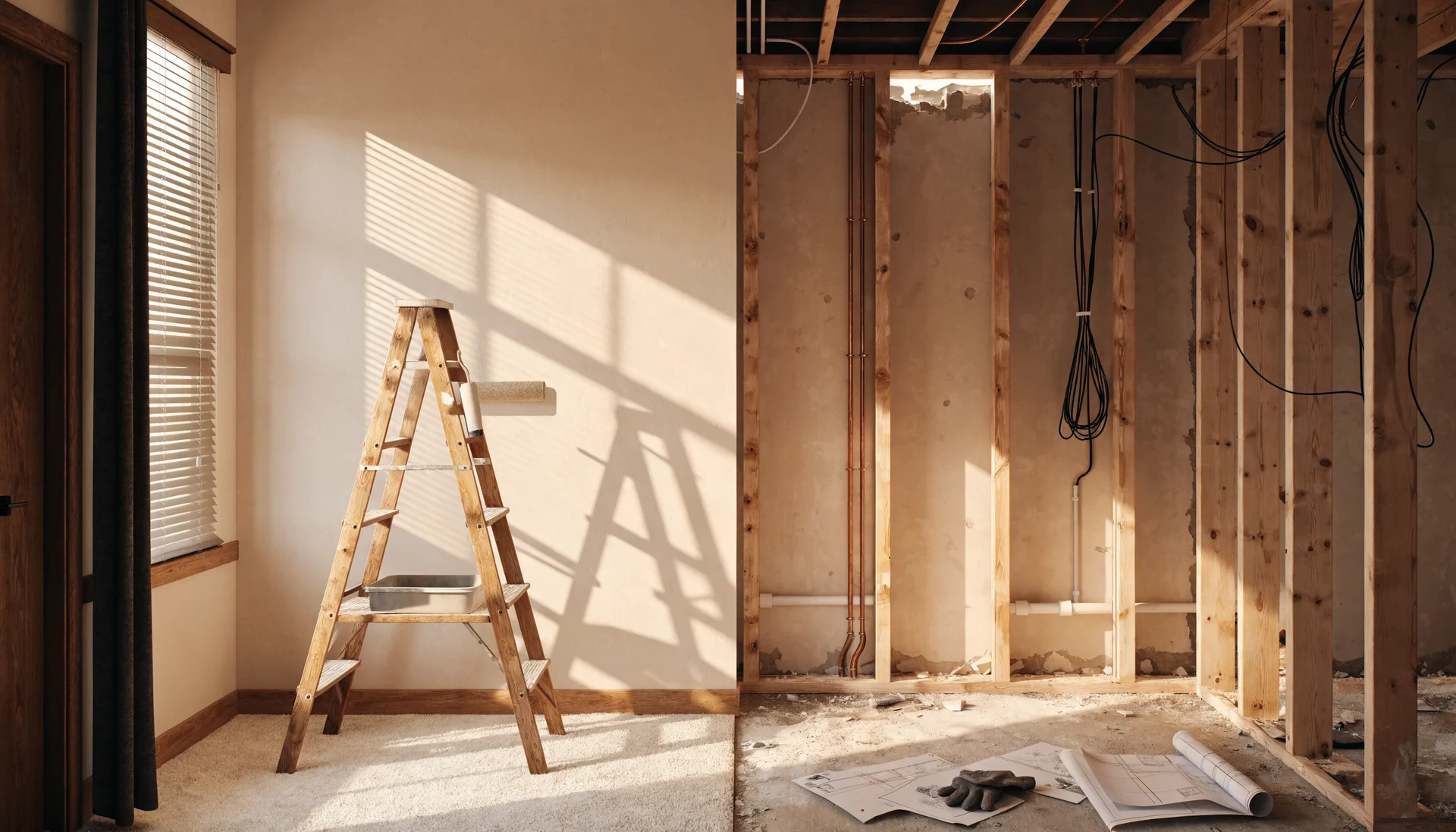
Cracks in the foundation, roof leaks, and faulty wiring are not cosmetic concerns. They signal a structure that becomes less safe over time, and neglecting them leads to extensive damage and costly repairs. Wall cracks and sagging floors mean it is time to act. Renovating early protects your investment and keeps the house safe and livable for your family.
A wall crack or a sagging floor is the one sign on this list that does not wait for a convenient season. Every other item can be scheduled. This one gets repaired first.
3. Lack of storage space
Frustration builds fast when the closets overflow and every cabinet is crammed. A lack of storage turns even the prettiest home into a chaotic mess. Storage remodels built around custom cabinetry or smart closet systems make a real difference, and if the goal is minimalism or plain decluttering, space optimization makes daily living smoother and more enjoyable.
4. Inefficient floor plan
A cramped kitchen or an inconvenient layout makes even a spacious home feel small. A remodel lets you reconfigure rooms for better flow, improve natural light, and open the house up into a more welcoming environment. If the layout no longer suits how you live, start talking to contractors and builders early so you understand how long it takes to plan a successful whole house renovation.
5. High utility bills
Rising utility bills usually mean the house is leaking energy. Old HVAC systems, drafty windows, and poor insulation all contribute. An energy audit pinpoints the problems, and the fixes it points to, double-pane windows, better insulation, and green remodeling solutions, improve home efficiency and cut long-term costs. Energy-efficient remodeling pays off twice: lower bills and a more comfortable house to live in.
6. Family expansion or lifestyle changes
Life changes fast. A new baby, aging parents moving in, or a job that now needs a home office can make a house that worked last year feel tight this year. A home addition or a room conversion, a nursery or a guest room for instance, adapts the house to the family. Remodeling for growth lets the home evolve with your life and offers flexibility and comfort at every stage, without forcing a move.
7. Damaged finishes and fixtures
Years of use leave their mark: scuffed hardwood floors, peeling paint, worn-out cabinets. These signs of material wear drag down how the house looks and feels. Replacing outdated faucets, updating the lighting, and refreshing surfaces with modern materials bring back a polished look, and a simple fixture replacement goes a long way toward restoring pride in the place.
8. Outdated kitchens and bathrooms
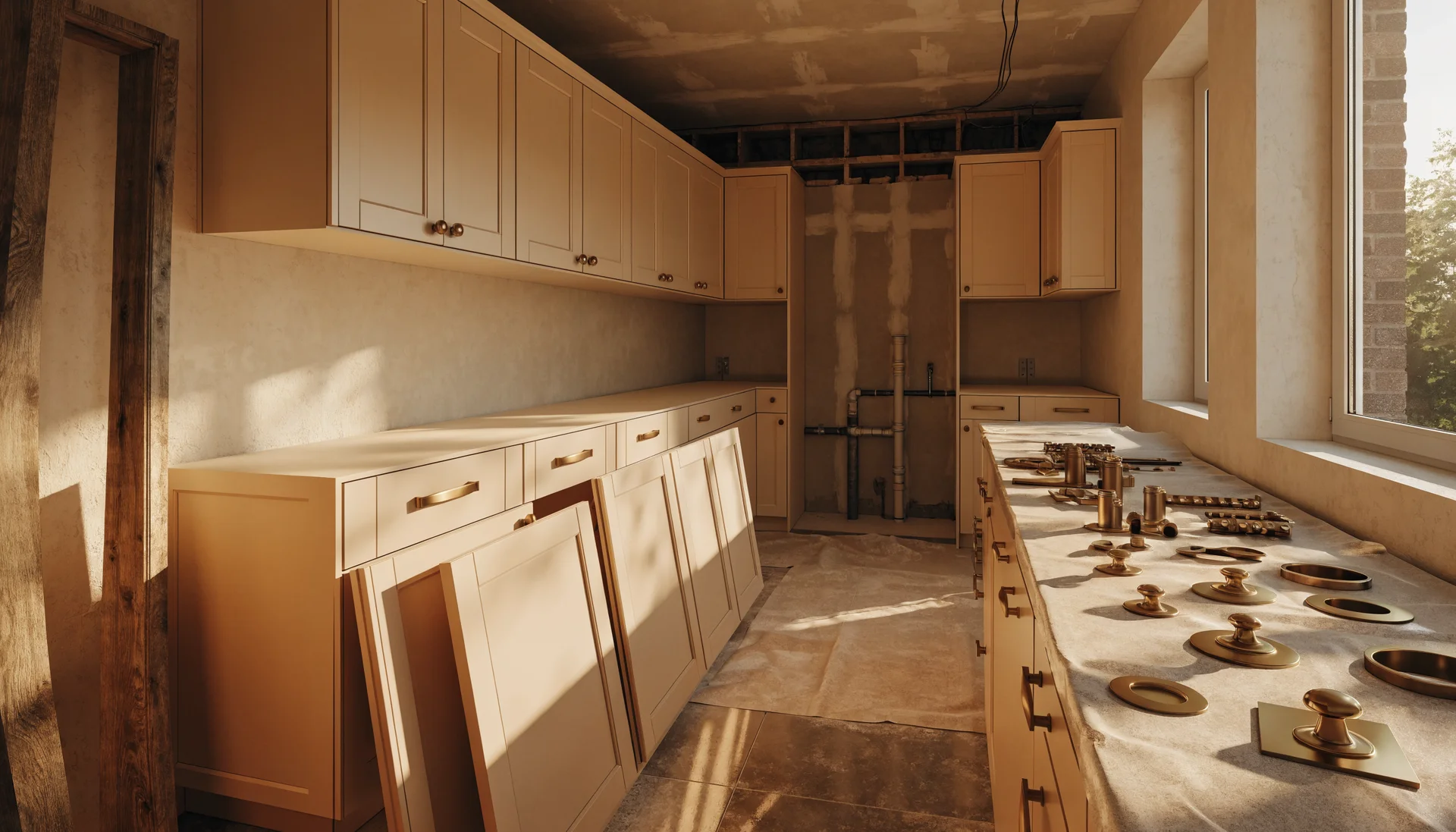
Kitchens and bathrooms are among the most important spaces in a home and often the first to show their age. If the countertops, cabinets, or fixtures are outdated or no longer functional, it is time to upgrade. Remodeling these rooms improves daily life and can increase home value with renovation. Plan for time, though: an extensive renovation that includes structural changes can last over a year, especially once permits and inspections are involved.
9. Feeling cramped or cluttered
As a family grows or hobbies expand, the house can feel small and overstuffed. Do not rush to move. Open-concept living, an attic conversion, or even a bump-out can provide the extra square footage you need, and a smart remodel turns tight quarters into an airy, breathable space. Feeling cramped is often just a sign that it is time to reconsider what the house could be.
10. Lack of personalization
A house bought from someone else rarely reflects your style. Remodeling lets you put your own personality into the space by customizing the features, finishes, and layouts to your taste. Long-time owners feel the same pull; after years in the same rooms, many want the house to look different. Keep a running list of the designs you like and bring it to the table when you are ready to make changes.
11. Preparing to sell the home
If the house is going on the market, a remodel helps it stand out against the competition. Buyers are drawn to move-in-ready homes with modern amenities and updated designs, and strategic updates make the home more appealing and help it command a higher price. Before listing, read renovation vs remodel: which is best for your home to settle on the right strategy. Then budget the time honestly: the home’s size, the design’s complexity, and unforeseen issues all extend a renovation timeline, and a cosmetic update finishes far sooner than a structural one.
Home remodeling decision matrix by sign
Not every sign demands immediate action, but knowing which ones do helps you plan more efficiently. The matrix below rates each sign on urgency, cost impact on a $ to $$$$ scale, ROI potential, and the action we would recommend.
- Outdated interior design: low urgency, cost impact $$, moderate ROI. Cosmetic updates; consider a later phase.
- Structural damage or wear: high urgency, cost impact $$$$, high ROI. Immediate attention; the repair is critical.
- Lack of storage space: moderate urgency, cost impact $$, moderate ROI. Consider built-ins during a remodel.
- Inefficient floor plan: high urgency, cost impact $$$, high ROI. Full remodel or layout redesign.
- High utility bills: moderate urgency, cost impact $$, high ROI. Upgrade insulation, windows, and HVAC.
- Family expansion or lifestyle shift: high urgency, cost impact $$$$, high ROI. Prioritize room additions or conversions.
- Damaged finishes and fixtures: low urgency, cost impact $, low ROI. Address during general updates.
- Outdated kitchens and bathrooms: high urgency, cost impact $$$, very high ROI. Prioritize the remodel, especially for resale.
- Home feels too small: moderate urgency, cost impact $$$$, high ROI. Explore extensions or attic conversions.
- Lack of personalization: low urgency, cost impact $$, moderate ROI. Add custom finishes as final touches.
- Preparing to sell: high urgency, cost impact $$$, very high ROI. Focus on curb appeal, kitchens, and bathrooms.
The matrix lets you prioritize on both financial impact and practical urgency. Align the remodel timeline with the most pressing signs and you manage cost while getting the most value out of the work.
Not sure which of these applies to your house? A short conversation settles it faster than any calculator.
How to prioritize your remodeling needs
When everything feels urgent, where do you start? Balance the budget against urgency, and do it in this order:
Write the remodel checklist
Define your must-haves versus your nice-to-haves before you price anything. The list keeps a cosmetic wish from crowding out a structural need.
Run the ROI numbers
Use ROI calculators to see which updates offer the most long-term value, then align your remodeling goals with the resources you actually have.
Sit down with contractors
Do not skip the contractor consultations. They refine your priority planning, flag what has to happen first, and make the project rollout smoother and smarter.
Phase the rest
Anything the matrix rates low urgency, decor, finishes, personal touches, waits for a later phase. It still gets done; it just does not get done first.
I tell homeowners to walk the house with a flashlight before they walk it with a mood board. A crack that has moved since last spring outranks every finish decision, and I would rather find it on my first visit than after the cabinets are ordered.
How long does it take to remodel a whole home?
Single room or whole-house overhaul, knowing how long the work will take is what lets you plan realistically. Contractor schedules and permit delays shift expectations, so here is what drives a remodel timeline and how to manage delays without derailing the goal. For detailed guidance, see Planning a Successful Whole House Renovation.
What affects remodeling duration?
The length of a remodel hinges on project scope, required permits, and labor availability. A minor bathroom upgrade might take two weeks, while a complete kitchen overhaul could stretch to two months. Ask how long each stage takes, learn what happens in each renovation stage, and prepare for surprises; that is what keeps you on schedule when one arrives.
Sample timelines by project type
Here is a breakdown of average timelines by remodel type:
- Bathroom remodel: 2-4 weeks. Includes plumbing.
- Kitchen remodel: 4-8 weeks. Includes cabinets and appliances.
- Whole-home remodel: 3-12 months. Depends on scope and permits.
- Basement finish: 4-6 weeks. Weather-insensitive.
- Structural additions: 3-6 months. Permit heavy.
Use these averages to set expectations and plan around them. Two things to read from that list. A bathroom or a basement is measured in weeks; a whole-home remodel or a structural addition is measured in months, and the range on those two is wide precisely because scope and permits vary from one house to the next. If your project sits at the long end, the contractor consultation is where the real schedule gets written, and it is also where you find out whether a cosmetic update will do or a structural renovation is what the house actually needs.
The two longest lines in that list, whole-home remodels and structural additions, are also the two that depend most on permits. Build the paperwork into the schedule before the demolition date.
Budget planning and cost considerations
Timeline and budget move together. Delays add labor costs, and underestimated materials inflate expenses fast. Start with detailed remodeling estimates and compare contractor quotes before committing. Be realistic about home improvement costs, explore financing options if you need them, and always leave room in the plan for unexpected expenses. Comparing bids does more than save money; it confirms you are getting the right quality and value for the investment.
Financing options exist for the gap between the estimate and what is on hand, and they are worth exploring before the work starts rather than mid-project, when the choice is between stopping and stretching. The four ways a remodel budget usually goes wrong:
Letting the schedule slip
Every delay carries extra labor cost with it, so a timeline that drifts is a budget that drifts.
Underestimating materials
Material costs that were guessed rather than estimated inflate the total fast, usually after the work has started.
Budgeting with no contingency
A plan with no room for unexpected expenses has nowhere to absorb them except the finishes you wanted most.
Taking the first bid
Comparing contractor quotes is how you find the right quality and value, not only the lowest number.
Tell us what you are planning. We will walk your house, tell you what is actually possible, and put a real number on it before you commit to anything.
Or read the numbers first: home remodeling services in Plano, TX.
Remodeling signs by DFW neighborhood and home era
The same 11 signs show up differently depending on when and where a DFW house was built. Older houses tend to show the structural and systems signs first; newer ones show the design signs first. Here are four common profiles.
1980s Central Plano and Richardson homes
Central Plano and Richardson homes built in the 1980s show remodeling needs in a predictable pattern: original oak cabinetry and laminate countertops that have aged past their visual useful life, single-sink master baths that no longer serve a household’s morning routines, and aluminum wiring that needs upgrading before modern appliance loads can be added safely. A 1980s Plano or Richardson home with its original kitchen is the most common profile UHS Remodeling sees before a full renovation starts. Plano ISD school access, mature lot character, and strong buyer demand make the renovation ROI in this era of construction consistently excellent; these homes have everything a buyer wants except updated interiors.
1990s-2000s Frisco, Allen, and McKinney master-planned homes
Master-planned community homes in Frisco, Allen, and McKinney built between 1995 and 2010 send a different set of signals. The structure and systems are in good condition, but the finishes, builder-grade granite, hollow-core cabinetry, cultured marble vanities, and small-format ceramic tile, have fallen well behind the visual standards these neighborhoods’ price points now command. The most common trigger UHS Remodeling sees in this era of home is the kitchen countertop: homeowners who have watched comparable listings sell with quartz islands and custom cabinetry feel the gap acutely, and that is typically when the renovation conversation begins.
Highland Park and University Park historic homes
Pre-war Park Cities homes show remodeling needs that are harder to read than newer construction; the original craftsmanship disguises functional shortcomings that only appear on closer inspection. Kitchens designed for a different era of entertaining struggle to accommodate modern appliance loads. Bathrooms with original tile and fixtures have outlasted their waterproofing. Floor plans built around formal living patterns, distinct dining rooms and closed-off kitchens, conflict with how families actually live today. If a Park Cities home has not been substantively renovated in the last 15 years, a thorough walk-through with a renovation contractor experienced in pre-war construction will almost certainly surface opportunities that are hard to see without a trained eye.
2010s-2020s newer DFW communities
Even newer DFW homes, built between 2010 and 2020 in communities like Windsong Ranch and Star Trail in Prosper and similar master-planned developments, show early remodeling signals that owners are starting to act on. Production-builder appliance packages are aging, builder-standard cabinet boxes show wear, and design trends have moved meaningfully since the home was completed. The signal in newer homes is rarely structural deterioration; it is a look that has gone out of date. When a homeowner looks at the kitchen and sees nothing that reflects their actual taste or lifestyle, that is the sign a renovation conversation is worth having, regardless of the home’s age.
How UHS Remodeling helps you navigate the remodel
A foundation crack, a family that has outgrown the house, or a sale on the calendar all start the same first conversation: which signs are showing, which of them are urgent, and what the timeline looks like once they are ranked. Every home is unique, and so is every remodel. UHS Remodeling builds tailored solutions to fit your needs, style, and budget, from a small update to a full-scale renovation, and guides you through every step with a clear home remodel timeline that keeps the project on track and within budget. If you are wondering how long a smaller project takes, a bathroom or a bedroom for instance, our team will walk you through the timeline and the best current design suggestions for your new kitchen, bedroom, or bathroom. Start with our home remodeling services in Plano, TX.
UHS Remodeling is based in Plano with dedicated crews across Plano, Frisco, Allen, Dallas, Highland Park, and Prosper, and 9 more DFW cities. For current numbers by project type, see the 2026 DFW home renovation cost guide.
Questions we get
How do I know my home needs remodeling?
Many signs indicate your home needs remodeling, like wear and tear, rising energy bills, lack of storage, functional issues, inefficient, persistent plumbing or electrical issues, outdated design, and changes in lifestyle needs. Remodeling restores functionality and modern comfort.
How long does it typically take to remodel a home?
A full home remodel can take from 4 to 12 months, depending on size and complexity, but usually it takes more than 6 months. Smaller projects like a kitchen or bathroom remodel usually take a few weeks to a few months.
Which areas offer the best ROI for remodeling?
Areas that offer the best ROI for remodeling include kitchen and bathroom remodels, basement remodels, garage and entry door replacements, energy efficiency upgrades, and exterior upgrades like landscaping and siding.
How can I budget effectively for a home remodel?
To budget effectively for a home remodel, use remodeling calculators and work with reliable and experienced contractors. First, set a realistic budget based on your goals, and then include 10-20% over your estimated budget for contingencies.
Should I move out during the remodel?
The decision to stay in the house or move out to a different location during the remodel depends on project scope, dust/noise tolerance, and utility outages. For large projects, temporary relocation is advisable for your convenience and safety, while you can stay in home for minor remodels.
Which remodeling signs are the most urgent?
Structural damage or wear is the most urgent sign on the list and calls for immediate attention. An inefficient floor plan, a family that has outgrown the house, outdated kitchens and bathrooms, and preparing to sell also rate high urgency. Outdated decor, worn finishes, and a lack of personalization are low urgency and can wait for a later phase of the work.
Do newer DFW homes show remodeling signs too?
Yes. Homes built between 2010 and 2020 in communities like Windsong Ranch and Star Trail in Prosper are already showing early signals: aging production-builder appliance packages, wear on builder-standard cabinet boxes, and design trends that have moved on since the house was completed. The signal is rarely structural. It is a kitchen that no longer reflects the owner’s taste or lifestyle.
Rate the signs before you price anything. Structure first, then the floor plan, the family, and the kitchens and baths; decor and finishes wait for a later phase. Set the timeline from the averages here, compare bids, keep a contingency, and the remodel stays a choice rather than a crisis.
Related from the journal


Tell us which signs your house is showing and we will tell you what comes first.
Fully insured · 500+ client reviews · fixed-price contracts · 1-year workmanship warranty.
Prefer to talk? (469) 850-7087 · or use the contact page.