
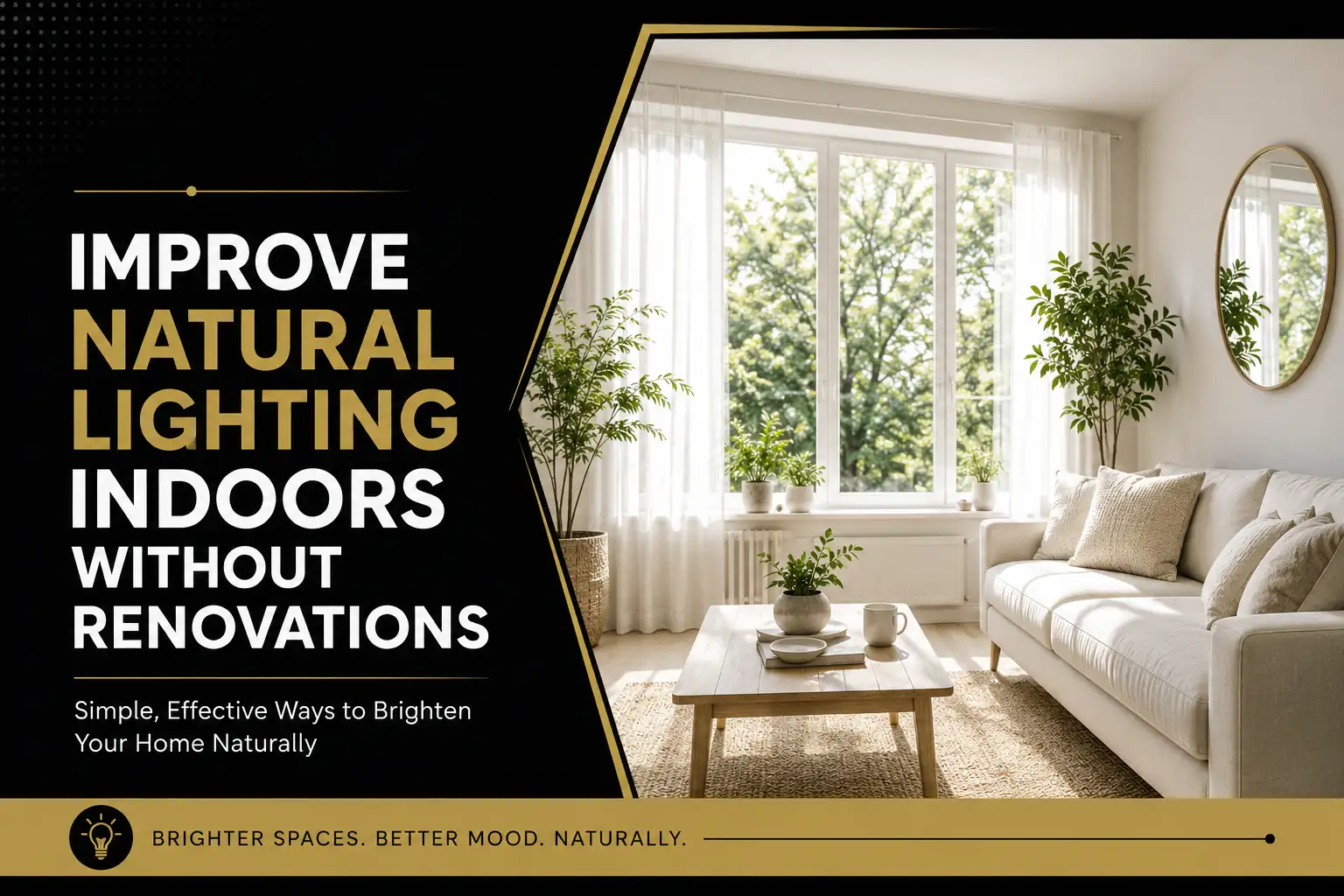
How to Improve Natural Lighting Indoors Without Major Renovations
Many dark rooms in DFW homes are not short on windows; they are short on distribution. Here is what paint, sheers, mirrors and a proper lighting layer can fix on their own, and what takes a remodeler who knows how to move light without moving walls.
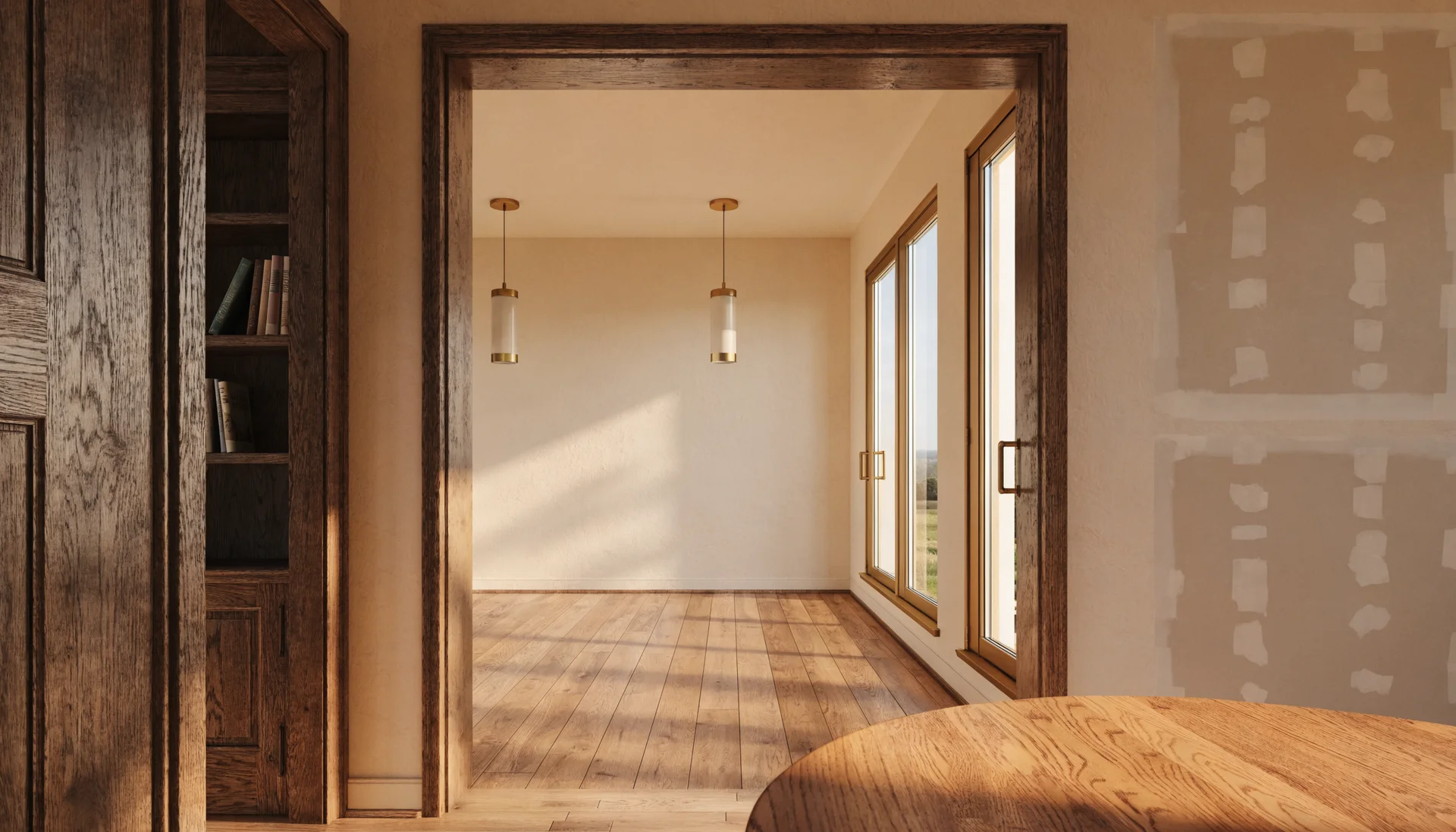
A dark house is rarely a house without windows. Many of the homes we walk through in Plano and around DFW get plenty of sun; they lose it a few feet inside the glass, to a dark wall color, a sofa parked in front of the window, or a set of heavy drapes that never gets pulled all the way back. Homeowners searching for how to improve natural lighting indoors tend to assume the answer is structural: new walls, oversized windows, a full construction zone. Usually it is not. Smart design adjustments, better light fixtures, reflective surfaces and a few well-chosen remodeling decisions can dramatically increase natural light, and none of them require tearing the house apart.
Fix what absorbs the light before you touch the windows.
Start with reflective paint, sheer window treatments, a mirror opposite the window and a cleared window wall. If the room still feels dark, the cause is layout, fixture placement or light-absorbing materials, which a remodeler can correct with space reconfiguration, glass features and a layered lighting plan, without major renovations.
At UHS Remodeling the question comes up constantly: how do I brighten the living room, the kitchen, the hallway and the bedrooms without turning the property into a construction site? The answer is almost always about light flow, the right window treatments, a proper layered lighting scheme, and correcting the interior design mistakes that block sunlight during the day. This guide covers what you can fix yourself, where the DIY fixes stop working, and what a remodeler can do without major renovations.
What actually makes a home feel dark
Most homeowners blame the windows. A lack of large windows is the obvious explanation, and window size does matter, but when we assess a dark room the causes are usually hidden inside the room itself:
- Dark paint colors that absorb light instead of reflecting it
- Heavy furniture sitting in the path between the window and the rest of the room
- Oversized window treatments that cut the sunlight before it gets in
- Weak or missing layered lighting, so the brightness is uneven
- Closed layouts that stop light moving from one room to the next
- Pendant lights and wall sconces placed where they throw shadows
- Outdated recessed lighting that gives poor ambient illumination
- Architectural features that block light across an open floor plan
Notice how few of those involve the glass. Fix the window and you have fixed one item on a long list.
In many homes the issue is not how much sunlight enters the property. It is how poorly the space distributes that light once it is inside.
A brighter home does more than look better. According to the Environmental Protection Agency, healthier indoor environments can positively affect comfort, productivity and overall wellness. Good daylight also supports energy efficiency, because a room that is bright at noon does not need its lamps on at noon.
What you can change yourself before calling anyone
A few practical changes are worth making before you consider professional remodeling. None of them needs a contractor, and together they tell you whether the problem is the decor or the house itself.
Repaint in reflective colors
Soft whites, warm neutrals and satin finishes bounce daylight around a room instead of swallowing it. This is the oldest move in natural lighting interior design, because reflective surfaces amplify daylight without any structural work. For more ideas along these lines, see our painting tips.
Replace the heavy curtains
Thick drapes trap light at the window instead of letting it spread through the home. Sheer window treatments keep your privacy while letting most of the sun through.
Hang a mirror opposite the window
A mirror facing a large window redirects daylight deeper into the room. It works especially well in narrow hallways and smaller living rooms, where the light would otherwise stop a few steps in.
Clear the window wall
Furniture set directly in front of a window blocks the most valuable light in the house. Rearranging shelves, sofas and decor costs nothing and can significantly improve light flow.
Upgrade the fixtures
Even a home with strong daylight needs effective layered lighting once the sun goes down. Recessed lighting, pendant lights and wall sconces keep the room bright after sunset and complement the natural light in the interior spaces during the day.
Where the DIY fixes stop working
Paint and mirrors help, and for some rooms they are enough. But plenty of homeowners get to the end of that list and find the room still feels dim, because the limitation is in the design of the house, not the decor. These are the patterns we see most often:
Treating the layout as fixed
A room can technically receive sunlight and still feel dark because of how the space is laid out. Homes without an open floor plan struggle to spread daylight evenly across connected rooms, and no curtain or coat of paint fixes a wall in the wrong place.
Placing fixtures by guesswork
Recessed lighting installed in the wrong spots creates glare, uneven shadows and dark corners. Poorly placed light fixtures can make a room feel smaller than it is, which is the opposite of what you were paying for.
Choosing materials that absorb light
Certain flooring, countertops and wall textures soak up light instead of reflecting it. This is especially common in older homes with darker finishes, and it is not something a lamp can undo.
Ignoring the circadian balance
A home should support regulating circadian rhythms by balancing natural and artificial illumination. Blasting a room with harsh light to force brightness can hurt comfort, sleep quality and productivity.
If your house shows these kinds of outdated design limitations, our guide to remodeling signs will help you judge whether the fix is cosmetic or something a remodeler needs to handle.
The daylight side of this is well documented. Researchers at Lawrence Berkeley National Laboratory found that exposure to daylight positively influences mood, focus and wellness in indoor environments. That is the argument for solving the daylight problem itself rather than covering it with more bulbs.
I walk a dark room at midday before I suggest anything, because I want to see where the light stops, not where the window is. More often than not the fix starts with whatever is absorbing the daylight, and the window turns out to be fine.
Not sure which of these applies to your house? A short conversation settles it faster than any calculator.
What overusing artificial light costs you
The common workaround for a dark house is more lamps, more bulbs, brighter bulbs. It does brighten the room, and then it creates a new set of problems that are easy to live with for years without connecting them to the lighting:
- Higher energy bills
- Eye strain from overly bright bulbs
- Harsh glare in kitchens and living rooms
- Uneven room temperatures
- Poor ambiance in natural light residential design
- Reduced comfort during nighttime hours
The Illuminating Engineering Society makes the point plainly: balanced ambient light in interior design should support comfort, visibility and wellness rather than simply increase brightness. More light is not the goal. Better distributed light is, and the distinction is the whole reason a lighting plan exists.
Signs the problem needs a remodeler
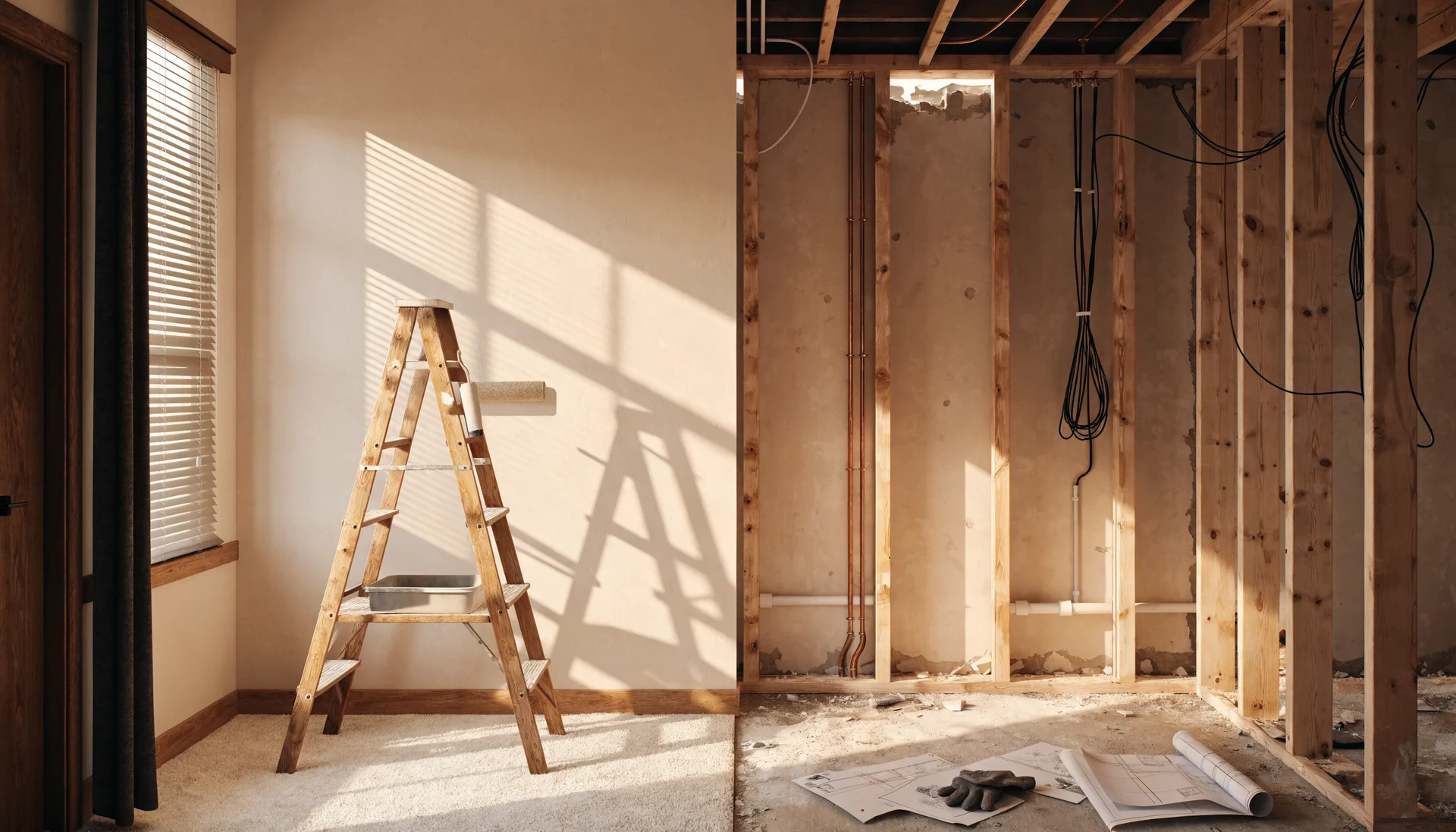
Some lighting problems are bigger than a cosmetic fix. Professional remodeling becomes the right call when the structure or the design of the house is what stops light from moving. From the inside, it looks like this:
- Your home still feels dark despite large windows
- Several rooms lack natural light even in the middle of the day
- The existing light fixtures create uneven illumination no matter how you adjust them
- Architectural features block the flow of sunlight
- You want brighter interiors without major demolition
- The layout traps light in isolated spaces
- You are planning broader home upgrades anyway
That last point matters more than it looks. If a kitchen or living room is already on the list, plan the lighting work into that project instead of treating it as a separate job later. Homeowners in that position usually benefit from reading through some remodeling ideas before they start, and from a conversation about home remodeling in Plano that puts daylight on the agenda from the first meeting rather than the last.
What a remodeler can do without major renovations
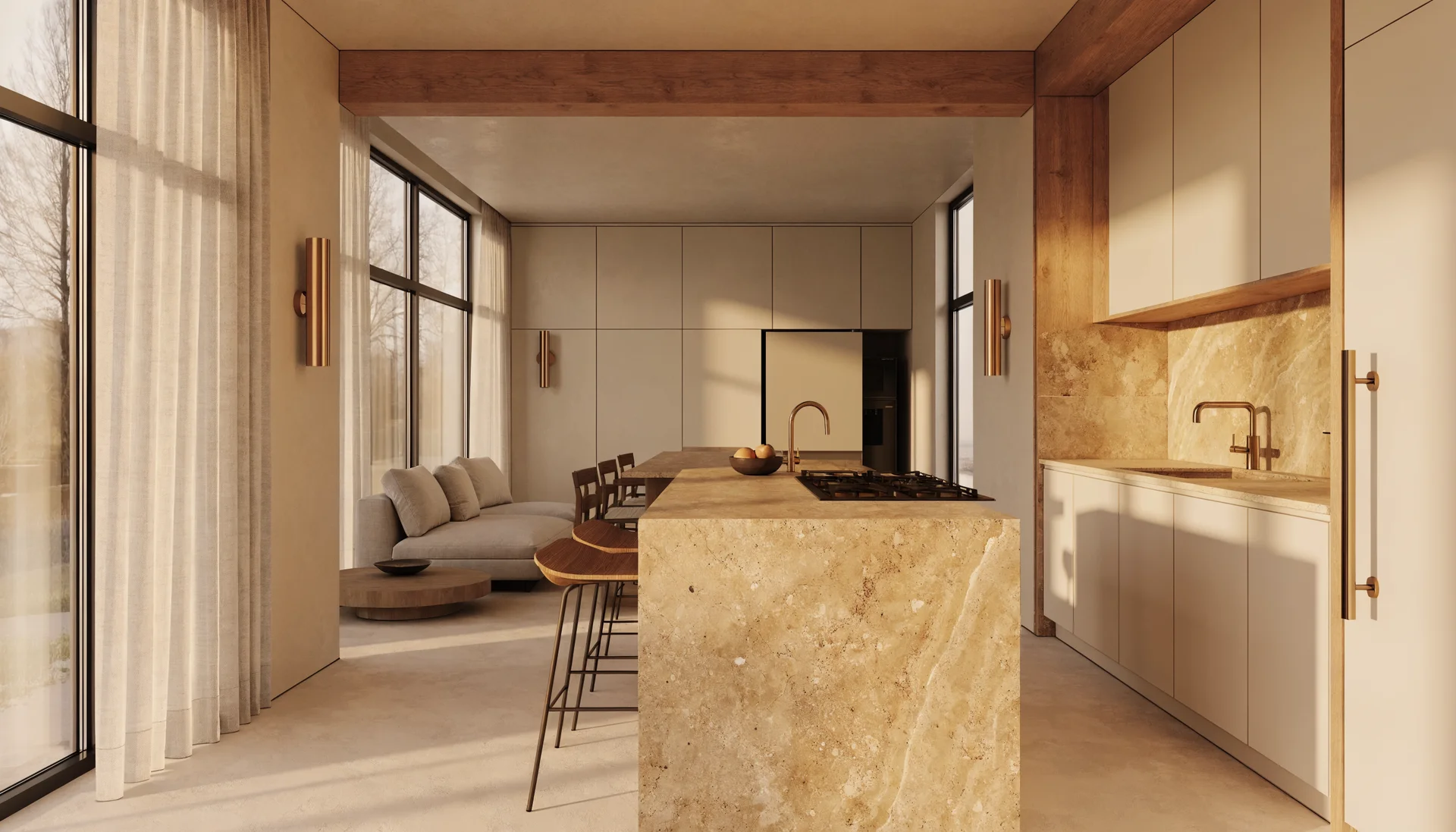
Professional does not have to mean structural. Most of the work that brightens a house happens without removing a load-bearing wall or cutting a new window, and it falls into four kinds of change.
Space reconfiguration
Minor layout adjustments can dramatically change how light moves between rooms, and this is where a remodeler earns the call. UHS Remodeling frequently helps homeowners create spaces that feel brighter without removing major structural walls, which keeps the project well short of a full renovation.
Glass and reflective features
Glass doors, reflective backsplashes and modern finishes change how sunlight spreads through the home. It is a standard move in modern residential design because it borrows light from the rooms that have it and lends it to the rooms that do not. For inspiration, browse our glass designs.
Lighting layer optimization
A professional lighting plan combines ambient light, task lighting and accent lighting into one strategy for the room. Done properly, layered lighting eliminates the dark corners while keeping the room comfortable and visually warm, instead of flat and over-lit the way a ceiling full of identical cans tends to feel.
Smart material selection
Flooring, cabinetry, paint and countertops all influence brightness. Choosing reflective but balanced materials can change a natural light room completely, and none of it touches the structure of the home. This is the part of the job where the design side matters most, because a finish that reflects too hard is just a different kind of problem.
Tell us what you are planning. We will walk your house, tell you what is actually possible, and put a real number on it before you commit to anything.
Or read the numbers first: home remodeling in Plano.
How UHS Remodeling approaches a dark house
UHS Remodeling helps homeowners improve interior spaces with practical, design-focused work that increases comfort, function and long-term home value. On a lighting project that means:
- Experienced remodeling professionals on the job
- Lighting and layout solutions customized to your house, not a template
- A working understanding of natural light residential design
- Attention to architectural flow and lighting balance
- Modern approaches to energy efficiency
- Solutions designed around how your household actually lives
Kitchens, bathrooms, living rooms or a full-home layout: the focus is on realistic upgrades that leave the house brighter, healthier and more welcoming. If a larger project is on the horizon, read our guide to renovation planning before you set a timeline, and look at what our Plano home remodeling service covers so daylight gets planned alongside everything else instead of being noticed after the drywall goes up.

Brighter, without the demolition
Improving natural light indoors adds more than brightness. Rooms with good daylight are healthier and more comfortable to live in every day, and the changes on the DIY list are worth making this weekend. But if the room still feels dark after the paint, the sheers and the mirror, the problem is layout, fixtures or materials, and that is professional planning territory.
UHS Remodeling helps homeowners create brighter living spaces without unnecessary demolition or oversized renovation projects. If your home feels dark, closed off or dated, schedule a consultation and we will talk through daylight, layered lighting and the remodeling work that supports both.
Questions we get
How can I create a natural light room without remodeling?
You can improve brightness using reflective paint colors, layered lighting, mirrors, and lighter window treatments. Rearranging furniture also helps maximize sunlight flow. However, if the room still feels dark, professional remodeling may be needed to improve layout efficiency and lighting distribution.
What is the role of ambient light in interior design?
Ambient light in interior design provides overall illumination that supports comfort and visibility. It works alongside natural light and task lighting to eliminate shadows, improve room balance, and create inviting interior spaces that feel open and functional throughout the day.
Why do some homes with large windows still feel dark?
Dark finishes, blocked sightlines, poor furniture placement, and ineffective light fixtures can prevent sunlight from spreading evenly. Many homes need strategic design adjustments rather than larger windows to improve natural light flow and brightness across connected living areas.
Can layered lighting improve a room with little daylight?
Yes. Layered lighting combines recessed lighting, pendant lights, wall sconces, and task lighting to create balanced illumination. When designed correctly, it complements natural light and improves comfort without making the room feel overly artificial or harsh.
How does natural light affect circadian rhythms?
Exposure to natural light during the day helps support regulating circadian rhythms, which influence sleep quality, energy levels, and mood. Homes designed with better daylight access often feel healthier, more productive, and more comfortable for everyday living.
What are the best window treatments for brighter rooms?
Sheer curtains, adjustable blinds, and light-filtering shades are ideal for maintaining privacy while allowing sunlight indoors. Heavy blackout curtains often reduce daylight significantly and can make interior spaces feel smaller and less welcoming during daytime hours.
Many dark homes have a distribution problem, not a window problem. Paint, sheers and mirrors handle the easy part; layout, fixtures and materials are where a remodeler comes in, and none of that requires demolition. Solve the daylight problem itself instead of hiding it behind more bulbs.
Related from the journal

Find where your house loses its light and fix it without moving a wall.
Fully insured · 500+ client reviews · fixed-price contracts · 1-year workmanship warranty.
Prefer to talk? (469) 850-7087 · or use the contact page.